
Are you considering welcoming a furry feline friend into your home? Understanding the characteristics of the most common cat breeds can help you make an informed decision about which breed might be the best fit for you and your lifestyle.
Here’s a look at some of the most beloved cat breeds in the UK, known for their unique traits and endearing personalities.
The quintessentially British breed, the British Shorthair, has a distinctive stocky body, dense coat and charming, round face. This breed is known for being affectionate, making it a perfect family pet. They are notably calm and easygoing, which complements a variety of household environments.
The Siamese cat, with its striking blue almond-shaped eyes and elegant, muscular body, is a marvel of feline beauty and grace. This breed is known for its intelligence, playful nature and often engages in lengthy conversations with their owners. Siamese cats thrive on social interactions and form strong bonds with their families.
Ragdolls are known for their mesmerising blue eyes and beautiful semi-long hair, they are gentle and often seek physical affection, making them ‘lap cats’. Ragdolls are ideal for homes that can provide them with plenty of love and cuddles.
The Bengal cat has a stunning wild appearance with a coat that resembles leopards and ocelots. This breed is vibrant and athletic, requiring regular exercise and mental stimulation. Bengals are particularly interactive and enjoy games that challenge their agility and intelligence.
As one of the largest domesticated cat breeds, Maine Coons are distinguished by their tufted ears, bushy tails and luxurious coats. They are known as gentle giants and possess a friendly and sociable nature. Maine Coons are excellent companions for children and get along well with other pets.
The Scottish Fold is easily recognised by its unique folded ears, giving it a cute owl-like appearance. These cats are incredibly affectionate and calm, preferring quiet environments where they can spend time with their human companions. Their gentle and easygoing nature makes them suitable for families and single-person households alike.
The almost-hairless Sphynx cat stands out due to its exposed skin and pronounced wrinkles. While this doesn’t make them hypoallergenic, they are known to produce fewer allergens than many fluffy cat breeds. Sphynxes are known for their loyalty and playful attitudes, and love to seek warmth and affection from their owners.
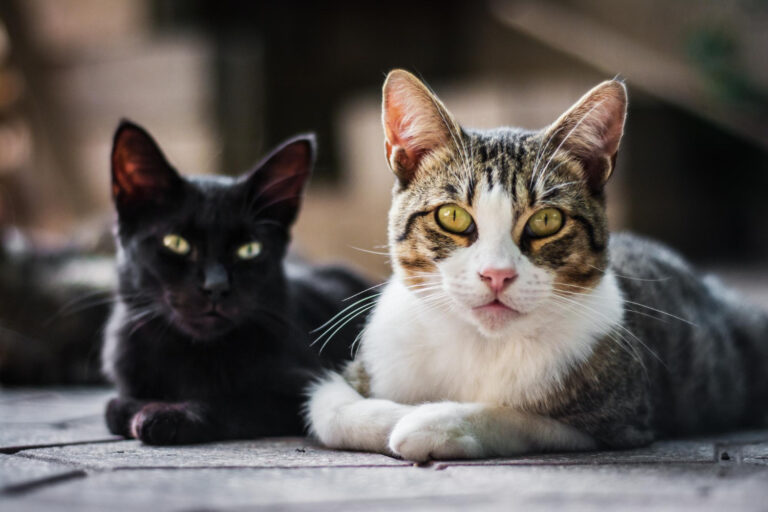
The domestic cat which is commonly known as a ‘Moggie’ is the most common cat living in UK homes. However, this cat is of no particular breed and has instead descended from the African Wildcat. Because of their random breeding, they do not have a definite appearance or temperament, so can come in all sizes, coat lengths and colours – from black and white to tabby or tortoiseshell.
When selecting a cat breed, don’t just consider the cat’s physical characteristics and personality traits but also your living situation, the cat’s activity level, and the amount of time you can dedicate to caring for and interacting with your pet. Each cat breed has unique needs and qualities, and finding a compatible companion is essential.
For further advice and quality pet care, contact your local St Kitts practice:
St Kitts Vets Hartley Wintney: 01252 844044
St Kitts Vets Basingstoke: 01256 844944
Crookham Park Veterinary Centre: 01252 913990
Firgrove Veterinary Centre: 01252 877799
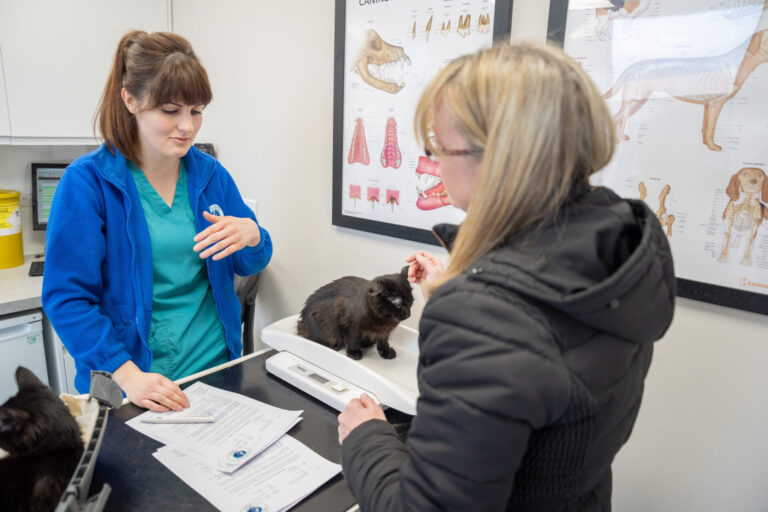
Regular vet check-ups are crucial for several reasons, all of which contribute to your pet living a long, healthy and happy life. During these routine appointments, your vet will be on the lookout for symptoms of illness, internal health issues and other conditions that may need addressing.
Here, our team at St Kitts Vets explain what makes regular check-ups so important.
Unlike us, pets can’t communicate when they are feeling unwell or experiencing discomfort. During a routine check-up, our vets will perform a thorough examination to identify any potential health problems early on. Early detection allows for timely intervention and treatment, which can significantly improve the outcome and may even save your pet’s life.
Prevention is always better than cure. Regular vet check-ups help ensure that your pet is up-to-date on vaccinations, parasite prevention, and other essential preventive measures. This significantly reduces the risk of your pet contracting avoidable diseases and infections.
Every pet is unique, and their healthcare needs may vary based on factors such as breed, age, lifestyle, and pre-existing conditions. During check-ups, our vets can provide tailored health recommendations, including dietary advice, exercise plans, and behavior tips, to help your pet live a healthier and happier life.
Dental problems are common in pets and can lead to serious health issues if left untreated. Regular vet check-ups will mean your pet’s teeth, mouth and gums can be given a quick once over to help maintain good oral health.
As pets age, they become more susceptible to certain health conditions, just like humans. Regular check-ups for senior pets allow us to monitor their health closely, catch age-related issues early, and provide appropriate senior pet care to improve their quality of life.
Pet obesity is a significant concern, as it can lead to various health problems. During vet check-ups, your pet’s weight can be monitored, and our vets and nurses can offer guidance on proper nutrition and weight management if needed.
No one likes visiting the doctor or the dentist, pets included! However, regular visits are a great way to help your pet become familiar and comfortable with the clinic environment and our team. This will help to reduce stress and anxiety during subsequent visits.
Many countries have specific requirements for vaccinations and animal health certificates when traveling or moving with pets. Regular vet check-ups ensure your pet’s vaccinations and paperwork are up-to-date, making travel and relocation hassle-free.
As a member, you get two FREE health checks per year – one with a vet during your pet’s booster appointment, as well as one with a nurse 6 months later.
Other excellent benefits include:
And more!
*Tick control included with Plus Plans only.
**One nail trim included with Standard Plans.
You can find out more about our Pet Healthcare Plans here.
You can book a check-up with our team online, or by getting in touch with your local practice:
St Kitts Vets Hartley Wintney: 01252 844044
St Kitts Vets Basingstoke: 01256 844944
Crookham Park Veterinary Centre: 01252 913990
Firgrove Veterinary Centre: 01252 877799
One of the most exciting things about bringing a new puppy home is introducing them to new people, animals, environments and experiences. This early exposure plays a crucial role in shaping a confident and sociable adult dog, and is known as puppy socialisation.
Puppies, like humans, go through a critical developmental phase when they are particularly receptive to new experiences. This period, typically from 4 to 12 weeks of age, is when puppies learn to navigate the world around them.
Proper socialisation during this window helps puppies become more confident and less fearful as they grow up. A well-socialised puppy is more likely to view new experiences, people and animals as fun and exciting, not frightening.
Many behavioural issues in adult dogs, such as aggression, anxiety and fear, can stem from inadequate socialisation during puppyhood.
By exposing puppies to a wide variety of stimuli in a positive and controlled manner, they learn to cope with new situations without resorting to negative behaviours.
Socialised dogs are typically less reactive and more adaptable, which means they’re less likely to develop issues like excessive barking, chewing, or aggression.
Socialisation experiences, especially positive ones, contribute to strengthening the bond between the puppy and its owner. It builds trust and confidence in the puppy’s ability to navigate new situations with the support of its human companion.
Socialised puppies are easier to manage and less likely to get into dangerous situations.
For example, a dog that’s comfortable around people is less likely to bite out of fear or anxiety. Similarly, a dog that’s accustomed to various sounds and sights is less likely to bolt or become uncontrollably frightened in noisy or busy environments. This not only keeps the dog safer but also protects people and other animals around them.
Socialisation lays the foundation for successful training. Puppies that have been well-socialised are typically more receptive to obedience training and can learn new commands more quickly and effectively.
Routine care, such as veterinary check-ups and grooming, can be stressful for dogs. However, if a puppy has been gently exposed to handling by different people and to various environments, they’re more likely to be calm and cooperative during these visits. This not only makes the process smoother but also helps ensure that your dog receives the best possible care without undue stress.
Socialised dogs are typically more pleasant companions in social settings, whether it’s meeting other dogs on walks, welcoming visitors to your home, or accompanying you on outings. They’re better equipped to read and respond to social cues from both humans and other animals, leading to more positive interactions and reducing the likelihood of misunderstandings or conflicts.
Begin socialisation as soon as you bring your puppy home, keeping in mind the balance between exposure and the puppy’s vaccination schedule.
Expose your puppy to different people, environments, sounds and animals, ensuring that these experiences are positive and not overwhelming.
Start with less intense experiences and gradually increase the level of stimulation as your puppy becomes more comfortable.
Use treats, praise and play to create positive associations with new experiences and people.
Socialisation is a process. Regular, gentle exposure to a variety of experiences is key to building a well-rounded adult dog.
If you would like more specific advice about socialising your puppy, contact your local St Kitts practice:
St Kitts Vets Hartley Wintney: 01252 844044
St Kitts Vets Basingstoke: 01256 844944
Crookham Park Veterinary Centre: 01252 913990
Firgrove Veterinary Centre: 01252 877799
As we head into spring, it’s a crucial time to be aware of ticks, which are most commonly found between the spring and autumn months. These common parasites can pose threats to your pets and family if left untreated.
In this article, we’re sharing how you can identify and safely remove ticks from dogs and cats (as well your other pets!) to help protect them from infections like Lyme disease.
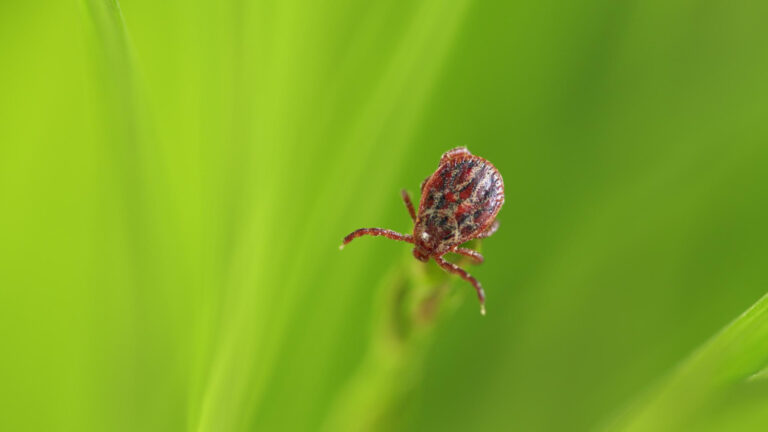
Ticks are small, spider-like parasites that have eight legs and an egg shaped body. They are typically found in long grass and woodland areas.
Unlike fleas, they don’t jump, but will latch onto your pet’s fur if they brush past. They can feed on their blood for a few days before dropping off once they’ve had enough. However, during this time, there’s a risk the tick could transmit a disease to your pet.
It’s important to check your pet’s fur regularly for ticks, paying close attention to areas like their ears, neck and paws.
You may notice ticks become darker in colour, as they feed on your pet’s blood.
When removing a tick, make sure you don’t squeeze the tick’s body or leave the head in, as this can push blood back into your pet and increase the chance of infection or disease transmission.
If you see a black spot, redness or swelling where the tick was located, it is likely the tick was only partially removed. In these cases, there is a higher risk of infection, so it’s best to book an appointment with your vet to get your pet checked over.
To avoid causing the tick to split, you’ll need to twist it off. This can be done easily using a tick removal tool, widely available at vets and pet shops.
Some people try to burn ticks off, or use lotion to suffocate them; we strongly advise against this. These methods can harm your pets and will not prevent disease.
Lyme disease is a severe bacterial infection carried by ticks. Dogs, cats and humans can all get Lyme disease, although it’s rare in cats.
Symptoms to look out for include (but may not be limited to):
Lyme disease can be treated with antibiotics, if detected early. If you are concerned that your pet may have Lyme disease or is showing any of the listed symptoms, contact your vet immediately for tests and prompt treatment.
It’s possible to protect your pet from ticks. With different types of preventative tick treatments, such as spot-on treatments and tablets available, that kill or repel ticks if they attach themselves.
Tick treatment is included with our Pet Healthcare Plus Plans, with products delivered straight to your door. Our Plus Plans also cover:
To find out more about our Pet Healthcare Plans, click here.
If you are worried about removing the tick yourself, or have concerns about your pet’s health, contact your local St Kitts practice immediately:
St Kitts Vets Hartley Wintney: 01252 844044
St Kitts Vets Basingstoke: 01256 844944
Crookham Park Veterinary Centre: 01252 913990
Firgrove Veterinary Centre: 01252 877799
Easter is a time of joy, celebration, warmer weather and, of course, lots of chocolate! But it also brings potential hazards for our furry friends. Pets, curious and eager to explore, may find themselves in risky situations, whether it be around certain foods or even out in the beauty of nature. In this article, we’re highlighting some of the common Easter dangers for pets and tips on how to keep them safe.
Generally, at this time of year, there’s no shortage of sweet treats in our homes, though this does mean there are more opportunities for our pets to get their paws on whatever they may find lying around.
Surveys by the British Veterinary Association (BVA) have found that around three in five vets treated pets for chocolate poisoning during the Easter holidays. These stats have changed very little over the years, indicating that more needs to be done to highlight the danger chocolate poses to pets.
Chocolate and sweets are toxic to both dogs and cats, containing substances like theobromine, xylitol and caffeine that can cause side effects like vomiting, diarrhoea, rapid breathing and increased heart rate, among others. Symptoms can take anywhere between 4-24 hours to show, so it’s really important to get in touch with your vet immediately if your pet has eaten anything they shouldn’t have.
Dogs are typically the ones who are most tempted, as cats and rabbits can’t taste the sweetness, but it’s best to keep any Easter eggs and other human treats far out of reach in fridges, cupboards or drawers.
While spring is a time where our gardens and homes brighten up with beautiful blooms, it can also pose a serious problem in cases where some plants are toxic to our pets.
For an extended list of plants that are harmful to pets, please read our other articles:
They’re an Easter favourite for us humans, but come with a word of warning: don’t share these with your pets! Raisins and sultanas, along with many other dried fruits, are known causes of kidney failure in both cats and dogs, even it’s just a small quantity.
If you arrange an Easter egg hunt in your garden, just make sure that all have been found before you let your dog outside, as they’ll easily find any that have been left behind. Even if you’ve used plastic or hard boiled eggs instead of chocolate ones, these can still be harmful, causing blockages or other digestive issues.
The hustle and bustle of Easter celebrations can be overwhelming for pets – particularly if travel is involved. Many pets don’t respond well to changes in routine, which can cause stress. Look out for changes in their behaviour, including becoming withdrawn or more reactive, panting and shaking, or needing the toilet more than usual.
We hope you and your pets have a safe and wonderful Easter!
If you suspect your pet may have eaten something they shouldn’t have, please get in touch with your local St Kitts practice:
St Kitts Vets Hartley Wintney: 01252 844044
St Kitts Vets Basingstoke: 01256 844944
Crookham Park Veterinary Centre: 01252 913990
Firgrove Veterinary Centre: 01252 877799
It may surprise you to hear that 65% of dogs and 39% of cats in the UK are either overweight or obese – something that is definitely a growing concern.
In fact, a recent study found the average dog is being overfed by 54,000 calories a year – that’s the equivalent of a human consuming 402 burgers!
To help you keep your pet a healthy weight, we consulted with the team at St Kitts to put together their top tips. It’s important to note that your pet’s specific breed characteristics will need to be considered individually, as all will have varying body types.
A subtle change to your pet’s physical appearance can be a sign your pet is becoming overweight. To check, see if you can easily feel your pet’s ribs without pressing too hard. If you can’t feel them, this may mean your pet is overweight.
Look at your pet – if there is no distinct waist or if it appears to be bulging, your pet may be carrying excess weight. Having a noticeable waist, between the ribs and hips, is a healthy sign.
A slight tuck in the abdomen is normal for many pets. If there is no discernible tuck or if the belly hangs down, it could indicate excess weight.
If your pet seems to be lacking in energy and unwilling to play or explore, it could be a sign that excess weight is causing them discomfort when actively moving about.
If your pet is having difficulty moving around, jumping or exercising, it might be due to excess weight. Observe their activity level and consult your vet if there are any concerns.
Feed your pet a well-balanced and nutritional diet, suitable for their age, size and breed. You can always ask your vet for advice on the appropriate type and amount of food for your pet.
Keep track of your pet’s weight over time. Sudden or consistent weight gain could be a sign of an issue. Regular visits to your vet for weight checks can help monitor this.
Be observant – keep an eye on what your pet is eating, as it might be more than you think! If you make any changes to their diet, check their weight and monitor their progress.
Be mindful that leftovers aren’t really meant for pets, especially ones with a high fat content; It can be easy to pile on the pounds when regularly feeding them bits and pieces. Eating inappropriate food can also lead to the development of other conditions, such as pancreatitis.
A new lower calorie diet could be key to helping your pet lose weight. Be sure to check with your vet before introducing a new diet to make sure it’s appropriate.
Treats are great as a reward, but they should be just that, a treat, not part of your pet’s regular diet. Take care to only offer treats intended for pets and opt for healthier alternatives to keep the calories under check.
Regular exercise is an important part of staying fit and healthy. It’s reported that 44% of dog walks are less than 30 minutes, with 13% of dogs not being walked every day.
If you’ve noticed your dog is gaining weight, simply extend their walk by ten minutes, or take them out for another short walk during the day to help them burn fat. Interactive toys are another great way for your pet to burn calories.
Instead of leaving food out all day, establish a feeding schedule. This allows you to control the portions and monitor your pet’s eating habits.
Measure your pets food to avoid overfeeding. Follow the feeding guidelines provided by the pet food manufacturer, and adjust as necessary based on your pet’s activity level and age.
Consistency is key to maintaining a healthy weight for your pet. Stick to their feeding and exercise routine to avoid your pet becoming overweight and don’t be afraid to raise any concerns with your vet.
At St Kitts, we offer Weight Clinics run by our expert Veterinary Nurses for pets who are overweight, providing plans to suit the individual needs of the pet.
Our team will organise regular weigh-in appointments and can provide owners with expert advice on diet and exercise.
If you have concerns about your pet’s weight, contact your local St Kitts practice immediately:
St Kitts Vets Hartley Wintney: 01252 844044
St Kitts Vets Basingstoke: 01256 844944
Crookham Park Veterinary Centre: 01252 913990
Firgrove Veterinary Centre: 01252 877799
Over the Christmas period, we all like to tuck into some festive treats and it can be hard to say no to the puppy eyes and pawing at your leg from pets who are desperate to have a taste for themselves. However, while dinners with all the trimmings will go down a hit with us humans, there are a number of items that can be harmful to our pets.
To guide you through a safe and merry Christmas with your pets, we’ve put together a list of foods that may not agree with our pets’ digestive systems and should therefore be kept out of paw’s reach.
The caffeine found in everyday items such as coffee beans, tea bags and fizzy drinks can cause your pets harm. It’s important to keep them stored securely to avoid causing heart palpitations, rapid breathing and restlessness.
Be mindful of everyone’s festive favourite – chocolate – as the stimulant Theobromine found in this is poisonous to your pet. It can affect their digestive, heart and central nervous systems, causing symptoms such as vomiting, diarrhoea, restlessness, hyperactivity and seizures. In some cases, these effects can be fatal.
It’s common to want to share the odd tidbit with your pet while you’re cooking, but bones can be a big hazard, as they’re prone to splitting and can sometimes scratch or get lodged into your pet’s throat, as well as fracture their teeth.
Salmonella may also be present in raw bones, which is equally as dangerous and can cause vomiting, diarrhoea, abdominal pain, loss of appetite, lethargy and fevers. It’s best not to share bones, particularly raw ones, to avoid any complications.
Large chunks of corn on the cob can be hard for your pet to digest and may cause serious blockages that often require emergency surgery. Symptoms to watch out for include vomiting, loss of appetite, constipation or diarrhoea and stomach ache.
Most pets will find it difficult to properly digest the lactose in milk and cheese products, so it’s safer if you avoid giving them dairy altogether. In some cases, dairy can cause vomiting, diarrhoea and potential skin allergies.
Particular types of blue cheese, such as Roquefort, produced using a fungus that pets are commonly sensitive to. In extreme circumstances, animals can quickly develop muscle tremors and seizures.
Fortunately, there are plenty of pet-friendly alternatives you can try for a healthy and balanced diet, without the risk of digestive issues or allergic reactions associated with dairy consumption.
Although small in size, fruits like grapes, raisins and sultanas are toxic and can cause diarrhoea, vomiting, lethargy and dehydration. In serious cases, these symptoms can lead to kidney failure, which is often fatal. Common festive treats like mince pies, stollen and Christmas pudding should be kept safely away, as they’re packed with these fruits.
In general, it’s not advisable to give your pet any nuts, but this is especially important with macadamia nuts, as they are the most toxic. It can take just 12 hours after ingestion for the symptoms to appear, which include weakness, depression, tremors, vomiting and increased body temperature. Effects can sometimes be fatal.
Nutmeg is often used to add spice to festive treats but it’s highly poisonous to pets. Symptoms to be aware of are tremors and seizures.
Pigs in blankets tend to be a staple in UK homes over Christmas – and with good reason for us humans! However, because of the fat and salt content, you should avoid slipping one or two to your pets at the dinner table. When eaten, foods like this can cause digestive issues including pancreatitis, where the pancreas becomes inflamed. Keep an eye out for vomiting, loss of appetite and abdominal pain, as these can be common symptoms.
Offering your pets fat trimmings, raw meat, raw eggs and raw fish should be avoided at all costs. Raw ingredients like this can cause salmonella, which may induce vomiting, diarrhoea and loss of appetite. For cats in particular, too much fat can lead to pancreatitis.
Common types of stuffing – including sage and onion – contain a number of ingredients that can be dangerous to pets. Things like onions, garlic, leeks, shallots and chives (those that belong to the allium family) contain a substance that causes damage to the red blood cells of pets and can lead to life-threatening anaemia. Signs that your pet may have ingested these items include tiredness and lethargy.
The artificial sweetener, Xylitol (which is found in many sugar-free sweets, cakes, gum and diet foods) can trigger a sudden release of insulin in cats and dogs. This may cause seizures and damage to their livers. Be on the look out for signs such as vomiting, weakness and lack of coordination.
Fermented yeast dough can produce alcohol which is toxic to your pet. Common symptoms to watch out for include bloating, excess gas and constipation.
Just because there are particular foods that your pet should steer clear, it doesn’t mean they can’t join in the festivities! Instead, why not treat them to some delicious cat and dog friendly treats that they’ll love just as much.
If you have concerns about your pet’s health, contact your local St Kitts practice immediately:
St Kitts Vets Hartley Wintney: 01252 844044
St Kitts Vets Basingstoke: 01256 844944
Crookham Park Veterinary Centre: 01252 913990
Firgrove Veterinary Centre: 01252 877799
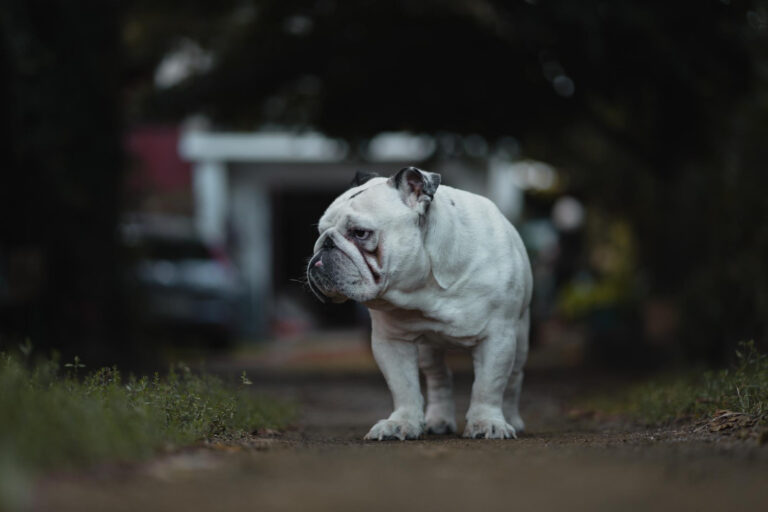
Flat-faced dogs and cats, also known as brachycephalic breeds, are undeniably popular thanks to their endearing smooshy faces and charming characters. These animals are known for their great personalities and form affectionate bonds with their owners.
Unfortunately, the physical features that tend to draw people to these breeds, like their flat faces, can mean they’re at greater risk of developing particular health problems down the line.
If you’re considering bringing a brachycephalic breed into your family, or have one already, it’s important to be aware of the common health issues so that you can seek the necessary treatment where required.
The term ‘brachycephalic’ comes from the Greek words meaning ‘short’ and ‘head’ and therefore describes animals whose faces appear flattened or squashed. Because of the unique shape of their heads, these breeds’ typically have narrow nostrils and smaller airways.
Some of the most popular brachycephalic breeds in the UK include:
Flat-faced dogs and cats can experience difficulty breathing, which can be extremely distressing. The clinical term is known as Brachycephalic Obstructive Airway Syndrome (BOAS) which refers to how their shortened heads can lead to restricted airflow.
These breeds have shorter muzzle bones in their skulls than animals with longer snouts, but often the soft tissue around the mouth, nose and throat is the same. This means the airway becomes narrowed or partially blocked as the tissue squeezes into a smaller space. Their windpipes and nostrils can also be deformed and narrow, so less oxygen can be taken in with each breath.
Symptoms to look out for include (but are not limited to):
If you own a flat-faced breed, it’s important to keep an eye on their breathing during exercise and hot weather, as they struggle to effectively cool themselves down by panting. This puts them at greater risk of overheating and suffering from heatstroke.
How St Kitts Vets can support brachycephalic breeds with breathing problems
We’re proud to have a close relationship with the team of dedicated peripatetic referral surgeons at ProVetSurg, who have partnered with us to provide our clients with a cost-effective assessment and treatment pathway for animals suffering with BOAS.
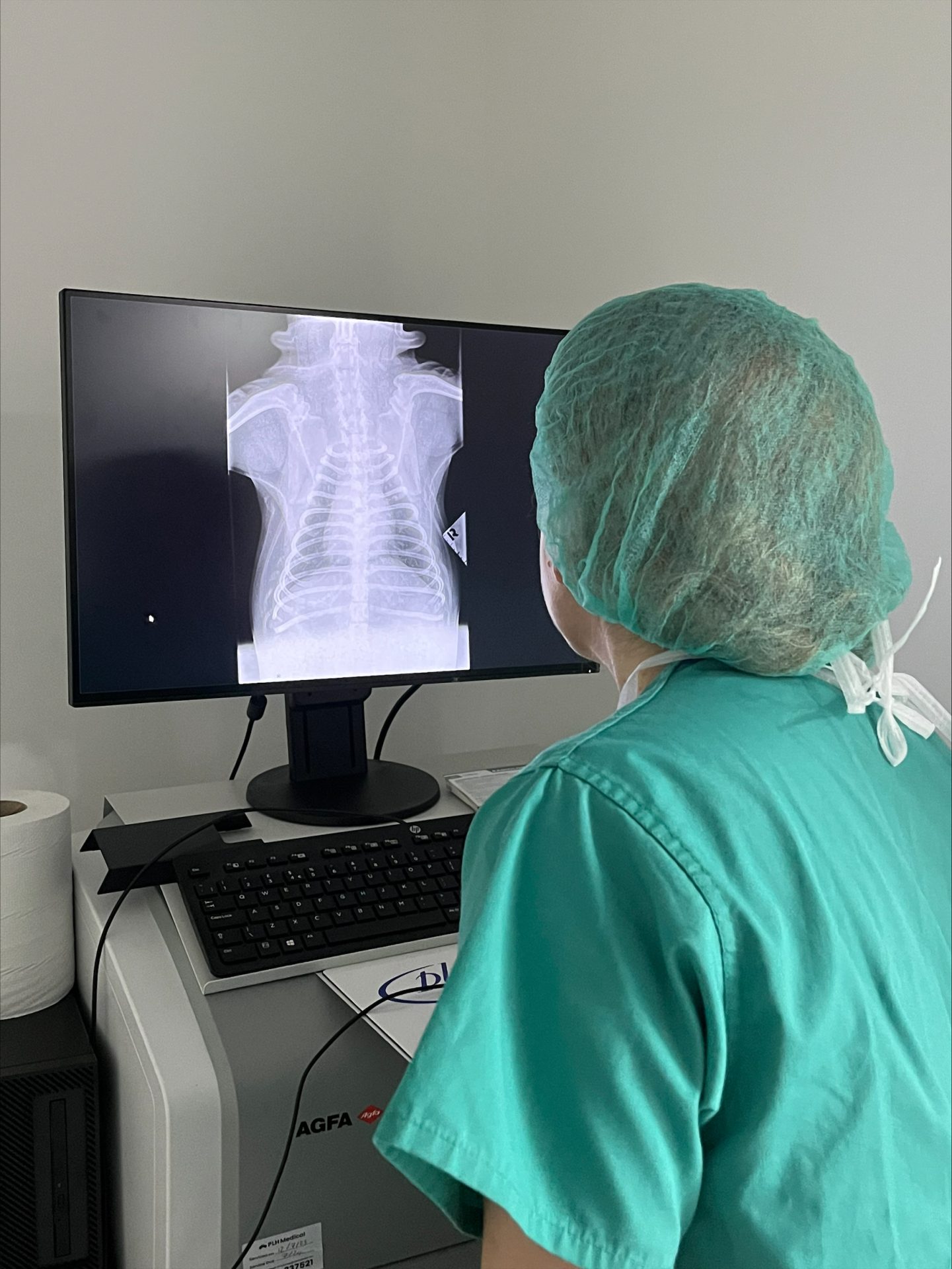
Our process includes detailed pre-operative assessments to determine whether surgery is required, along with extensive plans to minimise the risk of complications should this route be recommended.
You can find out more about our BOAS surgery here.
Overlapping and overcrowding teeth is unfortunately expected with flat-faced breeds, which can increase the risk of decay and gum (periodontal) disease and cause severe pain, as well as lead to other serious health problems, such as heart disease.
This is because flat-faced breeds have the same amount of teeth as those with longer snouts, but not enough space to accommodate them. Research by the Royal Veterinary College found flat-faced breeds have 1.25 times the risk of dental disease compared with breeds with medium-length skulls.
Symptoms to look out for include (but are not limited to):
How St Kitts Vets can support brachycephalic breeds with dental problems
Across our four practices, we are fully equipped with the equipment needed to diagnose and treat a range of dental conditions. Our facilities cover everything from dedicated dental suites and X-rays to descaling and polishing equipment.
With their flat faces and shallow eye sockets, Brachycephalic Ocular Syndrome (BOS) is a common concern amongst these breeds. Prominent and bulging eyes can mean their tear film doesn’t spread properly and they can easily develop eye ulcers, which can result in complications if left untreated.
Symptoms to look out for include (but are not limited to):
Meet Dotty, who was suffering from BOS
To help with Dotty’s eyes, a procedure called a medical canthoplasty was performed that makes the eye opening smaller and prevents any future problems. You can see what a huge difference the surgery has made for Dotty in her before and after below!
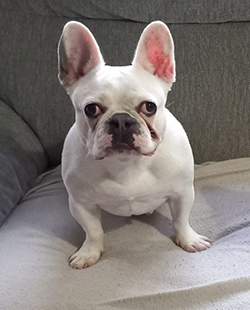
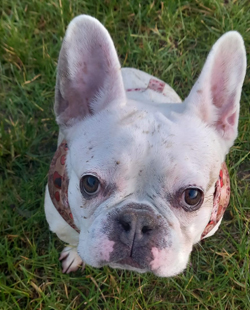
The shape of their heads means brachycephalic breeds often have narrowed ear canals. Their poorly ventilated deep skin folds around their ears can often lead to yeast infections too.
Symptoms to look out for include (but are not limited to):
With plenty of skin folds and wrinkles, flat-faced dogs and cats are at higher risk of allergic skin disease, infections and chronic itching, which can cause great discomfort. In most cases, lifelong medication is required.
Symptoms to look out for include (but are not limited to):
Flat-faced breeds with coiled or short tails, are at higher risk of spinal deformities. This can affect their ability to walk and cause paralysis of the back legs.
Symptoms to look out for include (but are not limited to):
We’ve looked at the breathing difficulties flat-faced breeds can face, but this can also put a strain on their hearts. Struggling to breathe results in a lack of oxygen in the bloodstream, which makes heart problems more likely.
Symptoms to look out for include (but are not limited to):
How St Kitts Vets can support brachycephalic breeds with heart problems
Vet Steve Williams and the team at our Hartley Wintney practice have been providing cardiology services for patients for the last 10 years. Steve himself has a particular interest in veterinary cardiology and has undergone significant training in this area.
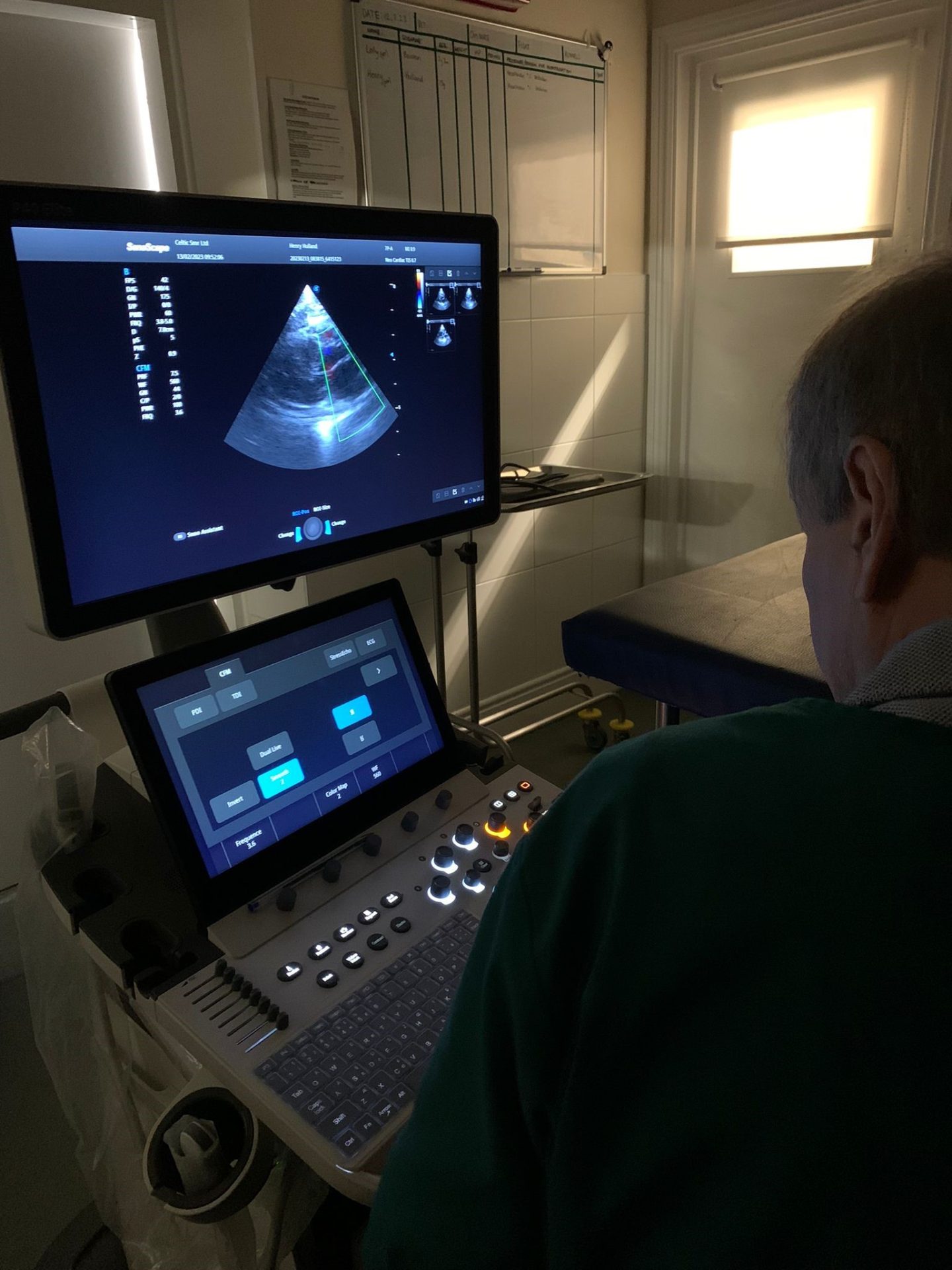
All our cardiology investigations are performed using modern specialist equipment, including high quality ECG, X-rays and ultrasound. We also have use of a state-of-the-art CT scanner at our Basingstoke practice.
You can find out more about our veterinary cardiology here.
Brachycephalic breeds can suffer from neurological (brain) problems because of their compressed skull shape. One of the most common, and unfortunately painful conditions, is Syringomyelia, where cavities or cysts form in the spinal cord. It is most often seen in Cavalier King Charles Spaniels.
Symptoms to look out for include (but are not limited to):
Unfortunately, owners of flat-faced breeds are likely to need to dedicate more time and effort in caring for their health than most other breeds. There are things you can do to improve their general wellbeing though, including controlling their weight and being mindful of things such as exercise in warm weather.
If you have any concerns about your pet’s health, please contact your local practice.
St Kitts Vets Hartley Wintney: 01252 844044
St Kitts Vets Basingstoke: 01256 844944
Crookham Park Veterinary Centre: 01252 913990
Firgrove Veterinary Centre: 01252 877799
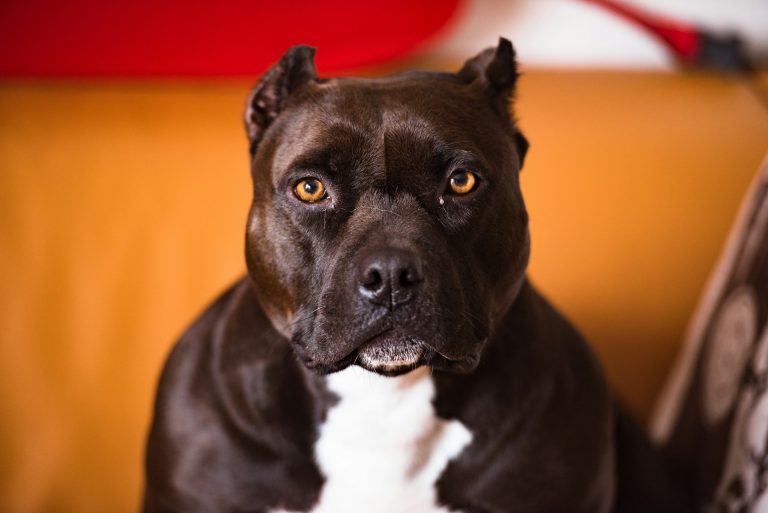
We understand that the recent announcement about the XL Bully ban has been very worrying – both for owners and the wider animal lover community.
To help you prepare for the new laws, we have put together a guide to the key requirements, exemptions and important dates that you need to be aware of.
If you’re an XL Bully owner and need support or have any questions, please get in touch with your local practice, who are always here to help.
At the end of October 2023, the UK government announced its ban of the XL Bully breed in response to a series of serious and, in some cases, fatal attacks. This means they have been listed under the Dangerous Dog Act 1991, alongside previously banned breeds including the Pit Bull Terrier, Japanese Tosa, Dogo Argentino and Fila Brasileiro.
To support owners in adapting to the new laws, the changes will come into force in three stages, which we will outline in our important dates section below.
One of the most pressing questions currently for owners is how to know if a dog would be classified as an XL Bully ‘type’. The government has put together official guidance to help define this, with some of the characteristics mentioned including (but not limited to):
For the full list of characteristics, read the government’s official guidance here.
If you remain unsure if you have an XL Bully, the guidance is to prepare for compliance with all new requirements for this dog type, including for puppies that may grow up to be an XL Bully dog. If you would like extra guidance please speak to a member of our highly qualified team.
From 31 December 2023 it will be against the law to:
From 1 February 2024 it will be a criminal offence to own an XL Bully dog in England and Wales unless you:
The guidance recommends that owners should start to train their dogs to wear a muzzle when in public and to walk on a lead before 31st December 2023. It can be tempting to skip muzzle training, but this will likely scare your dog and make it an uncomfortable experience for them.
Choose a correctly fitting muzzle
The muzzle should allow your dog to breathe freely and comfortably.
Here are some top tips on getting the right fit:
We find the best way to approach muzzle training is:
If you own an XL Bully, continue caring for them as normal. We know that it’s a worrying time, but the best thing you can do for yourself and your dog is to not panic.
The licensing process will require them to be neutered and microchipped, so it’s important to make sure you are prepared for this in advance. When the ban comes into force, you’ll then need to apply for a Certificate of Exemption to keep your dog and comply with the rules around banned breeds.
The teams at your local St Kitts Vets practice are on hand to provide support and help answer any questions you may have. We can also provide neutering and microchipping to ensure your dog is compliant before the new law comes into place. Please contact us to discuss booking an appointment.
St Kitts Vets Hartley Wintney: 01252 844044
St Kitts Vets Basingstoke: 01256 844944
Crookham Park Veterinary Centre: 01252 913990
Firgrove Veterinary Centre: 01252 877799
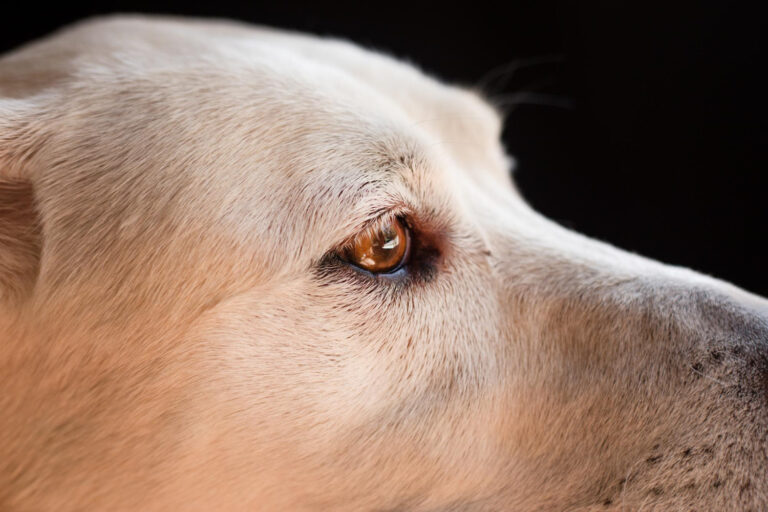
To support TVM’s annual Pet Eye Health Awareness Week (18th – 24th September 2023), we thought it was the ideal opportunity to raise awareness of eye problems in dogs, so that you’re aware of the signs to look out for. Early diagnosis and treatment is key in most cases – it could prevent vision loss or help to detect an underlying medical condition.
If you notice a change in your dog’s eyes, contact your local vet for an appointment.
Cataracts occur when the lens inside the eye becomes cloudy. Over time, cataracts can reduce vision and, if left untreated, can often lead to blindness.
Cherry eye is a condition where the gland inside the third eyelid protrudes. It looks like a small, red cherry in the corner of the eye, which causes inflammation and discomfort.
Dry eye is a condition that stops the eye producing enough tears. This can cause discomfort, redness, corneal damage and increase the risk of infections.
Eye infections can be caused by bacteria or viruses. If your dog regularly suffers from eye infections, it is possible there could be an underlying cause, such as dry eye, which will need investigating.
Eye ulcers are a wound on the eye’s surface. Treatment is required to help them heal as, if neglected, eye ulcers can lead to the loss of an eye.
It is not uncommon for dogs to have eyelashes that grow in the wrong direction, from the wrong place, or even to develop a whole extra row of them. Any eyelash that rubs on the surface of the eye will cause irritation.
Inward or outward turning eyelids, known as entropion and ectropion, respectively, can cause inflammation, pain and infections.
Glaucoma is characterised by increased pressure inside the eye. This painful condition can rapidly progress to blindness, if not promptly treated.
Lens luxation refers to the displacement of the eye’s lens from its normal position. It can cause discomfort and if untreated, the loss of vision.
Masses and tumours can form behind, in or around the eye. It’s crucial to get any new lumps examined by your vet immediately.
Pannus is an inflammation which is caused by an immune system problem, which results in small lumps or growths to form on the surface of the eye, affecting the dog’s vision.
Uveitis is the inflammation of the iris, the coloured part of the eye, and the structures around it. This condition can cause discomfort and potentially lead to vision problems if left untreated.
If you have concerns about your dog’s eyes, contact your local St Kitts practice.
St Kitts Vets Hartley Wintney: 01252 844044
St Kitts Vets Basingstoke: 01256 844944
Crookham Park Veterinary Centre: 01252 913990
Firgrove Veterinary Centre: 01252 877799