
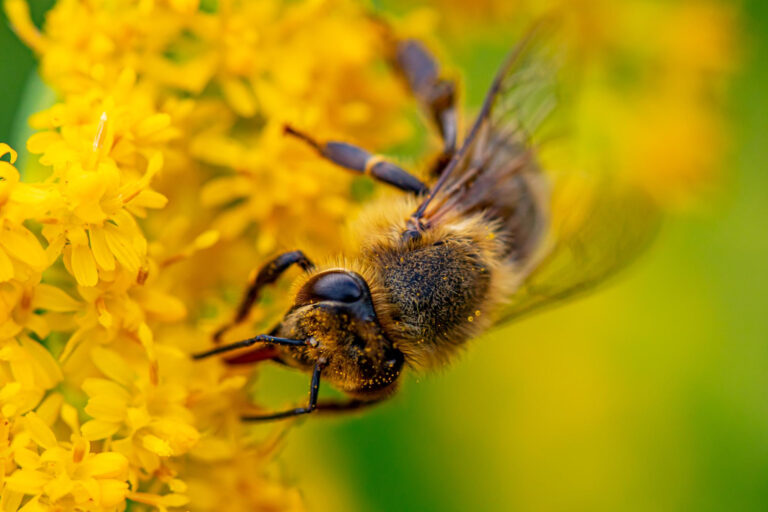
With summer days upon us, you can expect to see a hive of activity from bees and wasps, who thrive in the warmer weather. Although this is great for the ecosystem, it can cause problems if your beloved pet gets stung.
So let’s explore the signs and what to do if your dog is stung by a bee or a wasp.
Being stung by a bee or a wasp can cause your dog some discomfort and distress, but the pain should ease and go away after a short period.
If your dog is allergic to the bee or wasp sting, it could result in a severe reaction, or even death, if left untreated. Symptoms include:
If your dog is showing any signs of an allergic reaction, you should contact your local branch immediately to arrange emergency treatment.
Always check with your vet before administering any over the counter antihistamines, as the wrong dose can be fatal. Your vet will advise on the right drug and quantity for your dog’s size and weight.
If your dog has been stung and the sting is still embedded in their skin, you may need to bring them in to your local vet to have it removed. Our team will be able to ensure the venom sac is removed correctly, to prevent further irritation.
After having the sting removed, it is likely that there will be some swelling and localised pain which can be alleviated back home with a cold damp cloth on to soothe the area.
It is likely that your dog will be feeling agitated, so try to keep them (and yourself!) cool and calm.
An allergic reaction may develop during the first few hours of your dog being stung, so remember to stay alert for any signs.
If you suspect your dog has been stung, contact your local St Kitts practice for expert advice and treatment:
St Kitts Vets Hartley Wintney: 01252 844044
St Kitts Vets Basingstoke: 01256 844944
Crookham Park Veterinary Centre: 01252 913990
Firgrove Veterinary Centre: 01252 877799
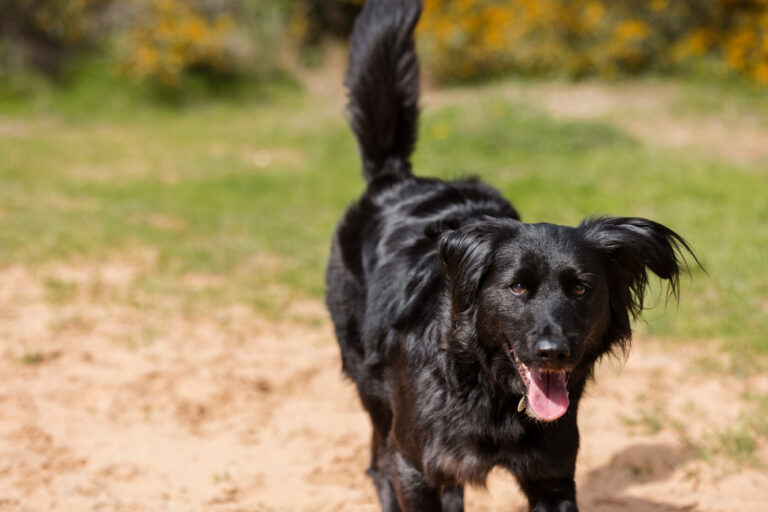
Long or short, curly or straight, your dog’s tail is a communication tool that serves as an indicator of how they’re feeling. We often think of a waggy tail as a lovable trait and being a sign of happiness, and though this is often true, it isn’t always the case.
In this blog we’ll look at why dogs wag their tails, along with what some of the different wags may mean.
Dogs use their tails as a way of communicating their emotions with us and other dogs, in the same way we would use facial expressions and body language. Studies have shown that the pace and position of the dog’s wag conveys different emotions.
As the shape, size and way the tail moves will vary from breed to breed and individually, it’s a good idea to get your puppy mixing with different well-behaved adult dogs, so they can learn to communicate with each other and not become fearful of other breeds.
Dog owners should stay alert and sensitive to their dog’s tail wagging behaviour to understand their needs, as they could be happy and excited, unsure and anxious, or feeling threatened and aggressive. It’s also important to take into consideration what is happening around them and get to know any potential triggers for your dog.
A natural position, without wagging, indicates your dog is feeling relaxed. The natural tail position will depend on your dog’s breed, but for most dogs it will be hanging down near their heels.
A broad, smooth, sweeping tail, that is not tucked or high, means the dog is feeling relaxed and comfortable.
When your dog moves their tail in a circular motion (known as a helicopter tail), it usually means they are feeling excited, sociable and pleased to see you, or another dog.
A dog that is wagging their tail fast will often indicate they are happy or excited. You may spot them taking a playful stance, or doing an entire body wiggle which says your dog is extremely happy and ready for interaction.
If their tail is erect and fast wagging, be cautious, as their excitable behaviour may be unpredictable.
If their tail is high in the air and rigid, be wary as this dog tail sign can indicate aggression in dogs. If your dog, or one you meet, starts to display any of these behaviours it’s usually best to give them as much space as possible and wait for them to calm down before interacting with them.
Other signs to look out for are: tail tucked under, paw raising, looking away, growling, flashing teeth, snapping and biting.
A tucked tail, or a tail that is clamped between your dog’s legs means they are worried or frightened and feel the need to protect themselves. They may need some space.
Some dogs move their tails from side to side rapidly when focussing on a scent. This movement isn’t to communicate with others, it’s more like a sign of extreme concentration.
This dog tail sign says that they’re curious and may be a little unsure of a situation. You may see this if they’ve come across something they’ve never seen before.
A curious dog who’s interested in its environment will often hold its tail out straight.
Interestingly, Live Science research has shown if your dog’s tail wags slightly to the right, it’s generally positive and a wag of recognition that indicates they know the person or dog.
Whereas, if it’s wagging to the left it’s generally negative, indicating fear, stress or anxiety. This is because the left hemisphere of the brain, associated with positive feelings, controls the right side of the body.
As we’ve seen, a waggy tail doesn’t simply mean a dog is always happy or friendly.
It’s important to pick up on any worrying signs, and pay attention to your dog’s whole body, including the tail, to understand what they are communicating, to give space or support as required.
If you have small children with you, always make sure you ask another dog owner’s permission before petting, to prevent a nasty bite.
If you have any concerns about your pet, or would like more specific advice, contact your local St Kitts practice:
St Kitts Vets Hartley Wintney: 01252 844044
St Kitts Vets Basingstoke: 01256 844944
Crookham Park Veterinary Centre: 01252 913990
Firgrove Veterinary Centre: 01252 877799
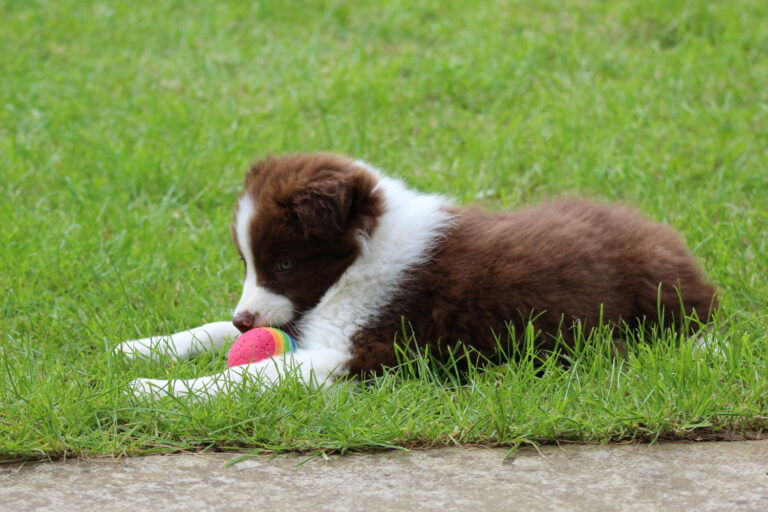
Exercising your puppy is an essential part of their growth and development. Not only does it help them stay physically fit, but it provides mental stimulation to help them socialise with other dogs and people, encourages confidence and is a chance to reward good behaviour.
However, there is such a thing as too much exercise! In this blog, we’ll explore the problems caused by too much exercise and provide top tips for exercising your puppy in a healthy way.
There are plenty of great ways to let your puppy burn off some energy and remain active and healthy, including play time! We recommend:
The length of time you should spend walking your puppy will depend on their size, breed, age and energy levels – but for all puppies it’s important to limit exercising to short sessions.
We advise starting off with short walks around the block and gradually increasing the distance as they build up their stamina and fitness levels slowly.
It’s best to consult your vet for specific recommendations for your puppy.
Tug of war and retrieving games will provide plenty of physical and mental stimulation, as well as help to strengthen your bond with your puppy.
Using a food dispensing toy or Kong, is also another great form of exercise, with the added benefit of making meal times fun.
It’s important to make sure your puppy takes frequent breaks and be sure to offer plenty of praise and treats for good behaviour.
Exercising when unvaccinated
It’s important to remember, whilst your puppy is not fully vaccinated, exercising should be done at home to prevent picking up any nasty bugs, just make sure your garden is puppy-proofed!
To get your puppy used to new surroundings, smells and other people and dogs, you can carry them, or take trips in the car.
Your puppy is still developing, so you need to avoid strenuous activities, such as long walks, or any sustained exercise, like running or cycling, until they are fully grown.
High impact exercise such as jumping, twisting and skidding is a big no-no too. Puppies under 3 months should also not be attempting to climb or use stair, so we recommend fixing a stair gate by the bottom step if this could be a problem in your home.
Too much exercise or high impact activities whilst your puppy is young could risk permanent damage to their joints and bones, which can lead to conditions such as arthritis and hip dysplasia.
Puppies’ joints need sufficient time for their growth plates to fuse before they are ready for high intensity exercise and high impact activities. This varies by breed; most dogs are fully grown by one year, but larger breeds such as Greyhounds, Labradors, Dobermans and Great Danes can take up to 2 years to reach full size.
Some breeds are also at higher risk of joint problems, like hip dysplasia, so should be exercised sensibly to prevent issues. It’s also important to feed your puppy healthy and appropriate meal sizes, to avoid them putting on weight, which will put more pressure on their joints.
Speak to your vet for advice if you are worried about your puppy’s joints.
Puppies are generally bouncy and full of enthusiasm, so it may be hard to spot signs that they are becoming tired or doing damage to their bones and joints. This is why it’s important to keep exercise sessions short and encourage regular breaks.
As your pup grows and gets older, the duration of the walks can be increased. Consult your vet for specific recommendations for your puppy.
There’s a fine balance between too much exercise and not enough. Limiting your puppy’s exercise too much could cause boredom, frustration and lead to behavioural problems.
But equally, puppies’ attention spans are short and they can become bored with lengthy exercise sessions.
Puppies have soft paws and it takes time for their pads to toughen up.
Overexercising your puppy will result in sore paws, so to prevent this keep sessions short and vary the surfaces you exercise your puppy on.
If you would like more specific advice about exercising your puppy, please get in touch with your local St Kitts practice.
St Kitts Veterinary Centre: 01252 844044
Basingstoke Veterinary Centre: 01256 844944
Crookham Park Veterinary Centre: 01252 913990
Firgrove Veterinary Centre: 01252 877799
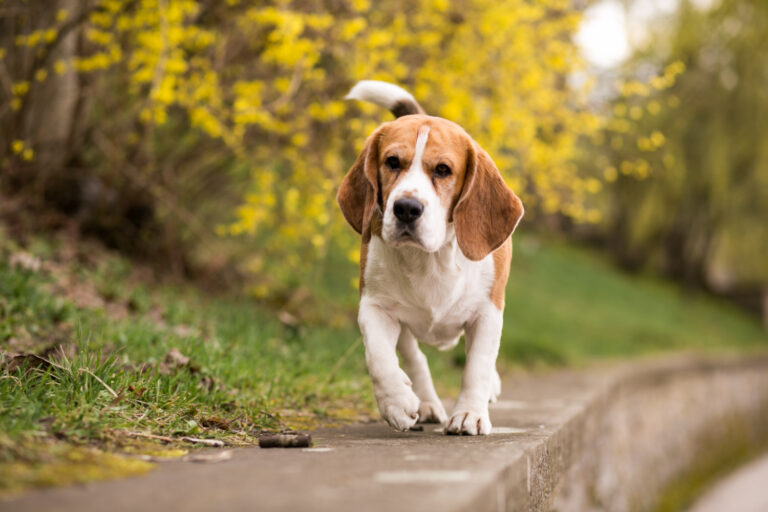
Dogs have been ‘man’s best friend’ for hundreds of years, but did you know there’s far more to them than meets the eye? We spoke with the team at St Kitts to find out some of their favourite facts about dogs – some of which may surprise you!
The area of cells in the brain that detect different smells is about 40 times larger in dogs than it is in humans, which means they can pick up on so many more scents than we ever could. Because their sense of smell is so good, some pooches can be trained to detect medical conditions or alert their owners if they need more medication.
Studies have shown that like us, most dogs have a preferred hand (well, paw). You can figure out if your dog is left or right-pawed by giving them their favourite toy and seeing which paw they use to help them first.
Greyhounds are the fastest breed of dog in the world, thanks to their long legs, flexible spine, large heart and fast-twitch muscles. Like a cheetah, they run in a “double suspension gallop”, which means each hind leg follows the foreleg and all four feet leave the ground.
With the ability to learn over 100 words and gestures, a dog’s level of intelligence puts them on par with a two-year-old – though they’re much easier to train!
Research has shown that a dog gazing into our eyes, and us looking into theirs, contributes to the release of oxytocin (otherwise known as the “love” hormone) on both sides.
The Labrador Retriever consistently appears near the top of the list of the most popular breeds every year. In 2021, a huge 61,559 were registered in the UK alone!
Paul McCartney confirmed that the band added a frequency to their “A Day in the Life” track that only dogs can hear. His advice is: “If you ever play ‘Sgt Pepper’ [the album] watch your dog.”
According to UFAW, between 15-30% of Dalmatians are deaf in one ear, while 5% are deaf in both. It’s caused by something called the “extreme piebald gene”, which is responsible for their white coat and their blue eyes (in some of them).
We share a lot more with our furry friends than you may think! Much like human fingerprints, each pooch’s nose has a one-of-a-kind pattern of creases and ridges.
Despite the staying power of the belief that dogs live in a black and white world, scientists have demonstrated that this isn’t true. They can see shades of blue, yellow and grey, but reds, greens and oranges are missing from their spectrum. If you find that your dog often prefers blue and yellow toys, this is probably why!
For more advice on your dog, or for any other concerns you may have, please get in touch with your local St Kitts practice.
St Kitts Veterinary Centre: 01252 844044
Basingstoke Veterinary Centre: 01256 844944
Crookham Park Veterinary Centre: 01252 913990
Firgrove Veterinary Centre: 01252 877799
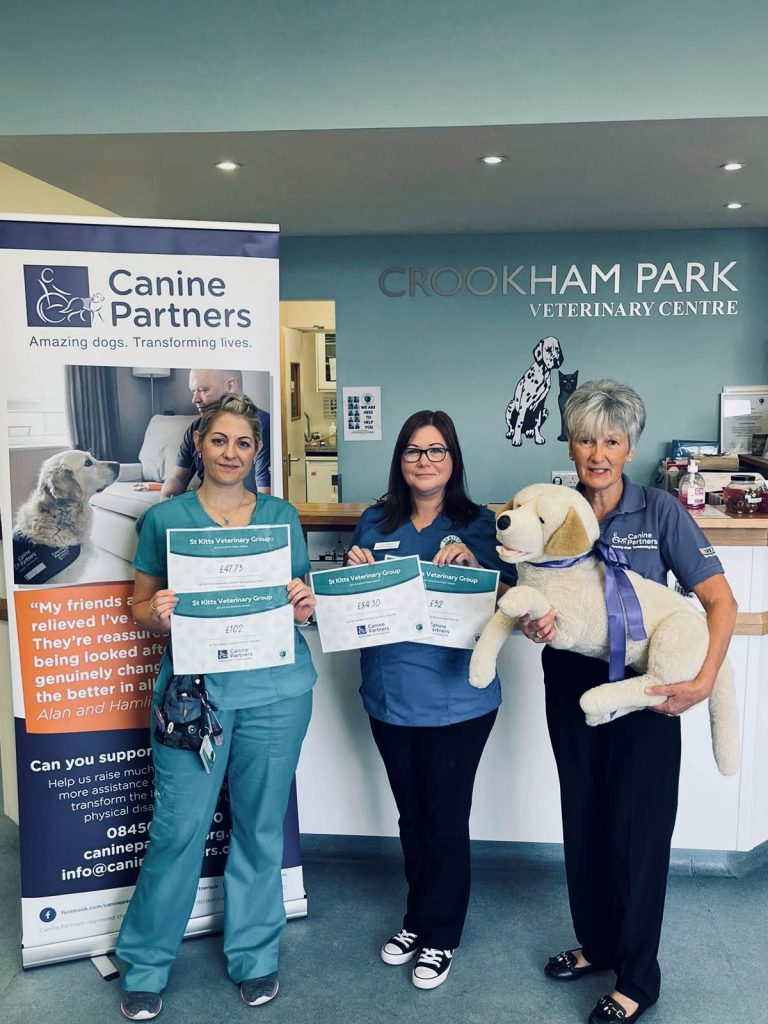
This summer, you may have spotted some of our team spending their warm and sunny weekends at the fetes that were held across our local area. On our stalls we had lots of goodies up for grabs as part of our raffles to help us raise money for Canine Partners – an amazing charity that pairs specially trained assistance dogs with people who have physical disabilities.
Thanks to a brilliant team effort and the generosity of all of you, our wonderful local friends, we were able to raise over £286! We recently welcomed Lynda Mellor from the charity to Crookham Park, to collect the money that had been raised.
We’d like to say a huge thank you to all staff who helped prepare for the fetes beforehand and helped out on the big days. We couldn’t have done it without you!
Canine Partners rely solely on donations to help continue their incredible work. We first learned of the charity when our Hartley Wintney clinic met Canine Partner, Tia. As a working dog, the charity take special care in ensuring that Tia had regular health checks, including a full ‘MOT’ a couple of times a year (which she passed with flying colours every time!).
Tia enabled her ‘partner’ to lead an independent life, helping with many tasks around the home and travelling far and wide – including studying for a Masters Degree at Exeter University before heading to Scotland. This miraculous transformation from house bound to independence is only possible with Tia’s gentle care and assistance.
More recently, we’ve had the pleasure of seeing the lovely Hartley grow up. He’s a Labrador X Golden Retriever cross, born in September 2021, and will soon complete his first year of training with a volunteer Puppy Parent under the guidance of a Puppy Instructor from the charity.
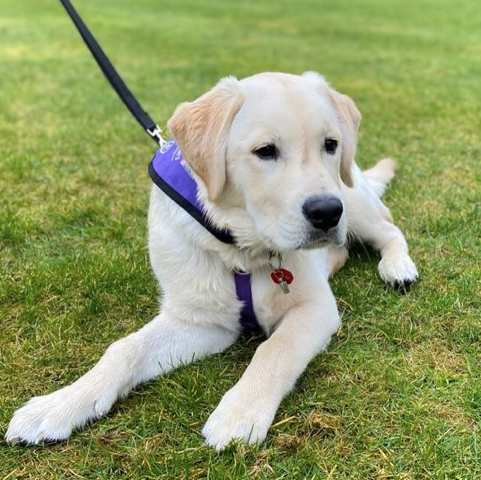
Each partnership costs £30,000 from selection as a puppy, right through to the dog’s retirement. When Hartley passes his specialist training around September 2023, he’ll be partnered with one of the many people waiting for a working assistance dog.
All your kind donations are supporting Hartley on his journey!
If you’d like to find our more about the charity, visit https://caninepartners.org.uk/.
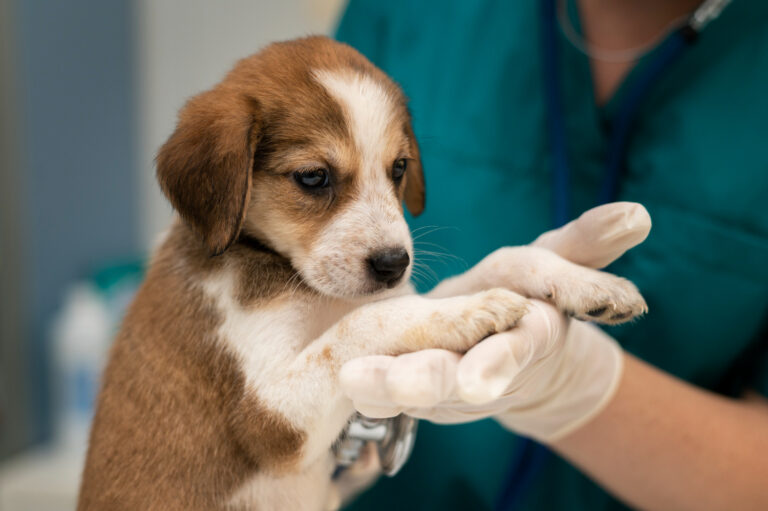
For some pets (and their owners), a trip to the vet can be daunting; conjuring up a mixture of emotions, from feeling anxious and nervous, to stressed. But it doesn’t have to be that way!
In this blog, we’ve put together some top tips to ease your pet’s anxiety, so your next trip is as calm and stress-free as possible:
A good place to start is getting your pet used to being handled, so it doesn’t come as a shock at their appointment.
It’s worth performing mock examinations at home, inspecting their paws, teeth and ears on a daily basis. As well as touching their legs, head, chest and lifting their tail. Giving them a massage and lots of positive reinforcement can help to make it an enjoyable experience.
Once your pet is comfortable with you handling them, ask family members or friends to do the same, to help them get used to different people.
If you’ll be using a crate to transport your pet to the vets, start introducing them to it early on to minimise any anxiety.
Leave the crate in a safe place, like your living room or bedroom, with the door open and toys or treats inside, so your pet can enter the crate freely.
It may take days or weeks until they are comfortable and confident to enter willingly. Make sure it is a positive experience, so don’t force them into the crate, or leave it until the day of the vet’s visit.
Try to take your pet out in the car to visit different locations, so they don’t just associate getting in the car with a trip to the vets.
To make the trip to the vets easier, it’s beneficial to familiarise your pet with the setting – from the smells, to the experience of being with other animals and staff. A good way to do this is to attend regularly for non-invasive, routine check-ups, like getting your pet weighed. You can even ask your local St Kitts practice if you can pop in to get your pet used to the environment, when it’s not too busy.
If your pet is particularly anxious and it worsens around other animals or humans, it’s a good idea to try and book your appointment for a quieter time of day. It will also mean less waiting time, which will help to reduce stress levels.
It’s good to come armed with plenty of your pet’s favourite treats to reward calm behaviour. This positive reinforcement works best after they’ve had their checks and treatments, but can be given for entering the crate willingly, being well-behaved on the journey and waiting nicely, to help alleviate any stress from the situation.
Your pet can pick up on any anxious behaviour, so keeping your body language and voice calm will help to reassure your pet.
Try to avoid stressful situations too; leaving plenty of time to get to your appointment is a simple way to reduce stress on the day.
Packing a toy, their usual blanket or bed, will provide a familiar smell of home, which can be soothing for your pet, especially if they are having a longer stay.
Bringing your pet’s favourite toy can help to distract them during the appointment, especially if they are having a procedure done, like a temperature check.
If your pet finds being at the vets stressful, turn it into a positive experience by taking them outside to play and have fun together – just ask to be called when it’s your turn.
Having distance from other anxious animals will help to keep your pet calm, so instead of waiting inside for your pet’s prescription or medication, head outside to play again and keep the experience positive.
You can book an appointment online for your local St Kitts practice or, alternatively, give one of our branches a call to speak with the team.
St Kitts Veterinary Centre: 01252 844044
Basingstoke Veterinary Centre: 01256 844944
Crookham Park Veterinary Centre: 01252 913990
Firgrove Veterinary Centre: 01252 877799

Although firework displays can be enjoyable for us, the unexpected loud bangs and flashes of light can be very scary for our pets.
With events such as Diwali and Guy Fawkes Night just around the corner, we’ve put together some of the best ways to help prepare your pet for fireworks.
This can be done long before firework night. Simply transform a quiet area of your home into a safe place for your pet to retreat into and feel in control. Fill it with their favourite toys, so your pet associates it with positive experiences.
This area should bring them comfort when they are feeling anxious or scared, and should be left accessible to your pet even when you are not at home.
Cats may prefer to hide under furniture or in a quiet corner. It’s important not to try and coax them out, as this will add to their stress, just leave them feeling safe in a secure place.
Smaller animals will benefit from having lots of extra bedding so they can burrow down.
It’s estimated 45% of dogs in the UK show signs of fear when they hear fireworks, so it is best to keep dog walks to the daytime. When you know there are going to be fireworks, keep your pet inside to prevent them from getting spooked.
You should move your pet to their safe place before the fireworks begin, kitting it out with toys and anything you need so you can comfortably stay with them.
If you have small animals who normally live outside, you’ll need to plan ahead and get them used to coming indoors first. Partially cover their cages, pens and aviaries with blankets so that one area is well sound-proofed and your pet is still able to look out.
Your pet will observe how you react to the firework sounds, so it’s best to remain calm and reassuring. Playing with your pet, if they want to play, will be a good way to distract them.
One of the best ways to limit the effect of the fireworks is to mask the sounds, so try playing music or switching on the TV. Closing the windows and curtains will help to limit the sounds entering into your home, while blackout blinds are ideal to block out flashes of light.
If your pet struggles with loud noises and flashing lights during this time of year, you could try an anti-anxiety product to help them, including calming sprays, tablets, drops or diffusers.
There are a range of options available, but we typically recommend these to our clients:
All the above products are available in our clinics without an appointment.
Ideally, supplements need to be used a few weeks in advance to work their best, so remember introduce them early on in preparation.
Our lovely team of nurses are on hand to offer advice, so if you are concerned about your pet or have any questions, contact your local St Kitts practice to book an appointment.
St Kitts Veterinary Centre: 01252 844044
Basingstoke Veterinary Centre: 01256 844944
Crookham Park Veterinary Centre: 01252 913990
Firgrove Veterinary Centre: 01252 877799
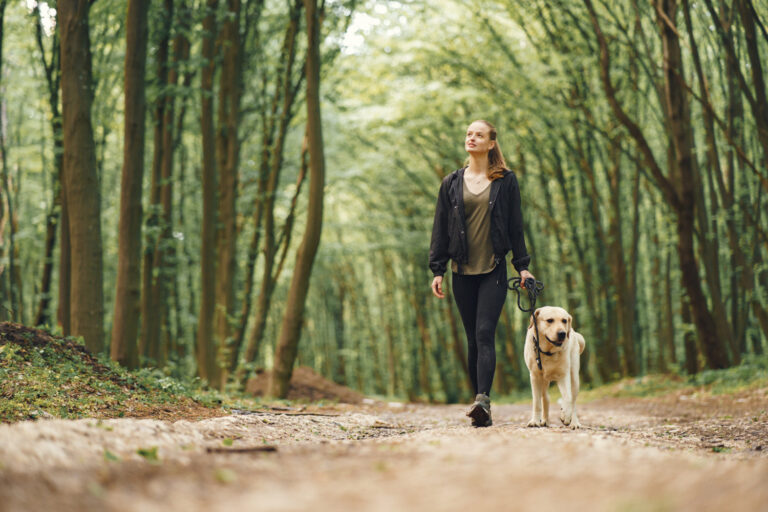
We’re so lucky that there are plenty of fantastic dog walking spots in Hampshire!
To help you make the most of the great outdoors, we’ve put together some of our favourite dog-friendly strolls in the county.
The walk at Dogmersfield Park takes you through woodland, across the parkland in the heart of the estate, which is home to the luxury 5 star hotel, ‘The Four Seasons’ and along the canal. It’s a lovely flat walk and the perfect rural escape, with some spectacular views. You never know, you may even be able to do a bit of celebrity spotting whilst you’re there!
This is a fantastic walk across the countryside and the perfect place for your dog to run around. Anstey Park alone has 32 acres to explore. It will take you along a picturesque river and through open farmland. You’ll get to see a number of different animals on route, including alpacas, donkeys, pigs and geese – which is an added bonus, especially if you have young children in tow.
Farley Mount Country Park offers a beautiful woodland with stunning views and is ideal for dog walking.
On your walk, you may find the famous monument, which can be seen for miles, that the country park is named after. The monument honours a race-winning horse named ‘Beware Chalk Pit’, who came back from defeat in 1734, a year after having fallen into a chalk pit whilst out fox hunting.
The New Forest is perfectly suited to your canine companions, thanks to it’s sprawling open landscape, winding tracks and wooded valleys. The doggy paradise includes over 140 miles of safe off-road tracks, 40 miles of coast to explore and plenty of new and interesting sights and smells for them to enjoy.
Some of our favourite trails include the Huff Duff, Hale Purlieu and Buckland Rings.
Ludshott Common is an area of natural beauty and one of the largest areas of heathland in East Hampshire, covering 705 acres. Full of rich colour from the heather and gorse, complete with livestock roaming.
Waggoners Wells, also part of the National Trust reserve, has beautiful ponds to walk around and you’ll discover a lovely wishing well that inspired renowned poet, Alfred Lord Tennyson.
Crabtree Plantation offers scenic views and features the impressive archway, ‘Bolton Arch’, which originally marked the entrance to the Hackwood estate. There are lots of routes to explore through woods and fields, perfect for taking your dog off the lead and practising recall.
You’ll have the chance to spot many butterflies along the way. If you are also travelling with children, there is a playground with a zip line, climbing frame and swings at the bottom of Crabtree.
Fleet Pond offers excellent views and is the largest freshwater lake in Hampshire. The nature reserve has 141 acres of heathland, woodland and marshland, and is great for spotting many species of birds, butterflies, dragonflies and wild flowers while on your walk.
The Vyne is a stunning 16th century Tudor house, run by the National Trust, that Henry VIII himself often visited. It’s set in picturesque gardens with sweeping lawns and a stunning lake. The expansive woodlands are an idyllic spot for seeing bluebells in the Spring. There’s also wetlands with a tranquil bird hide, a cafe, shop and playground.
We hope you enjoy getting out and exploring with your dog! If you become concerned about your pet, get in touch with your local St Kitts practice.
St Kitts Veterinary Centre: 01252 844044
Basingstoke Veterinary Centre: 01256 844944
Crookham Park Veterinary Centre: 01252 913990
Firgrove Veterinary Centre: 01252 877799

When Ruby the Shih Tzu was brought into our Hartley Wintney branch in March 2019, she was in labour but not producing any puppies.
Following assessment from our team, it was decided that she would need a caesarian section to save the pups. 3 puppies were born but sadly, only one survived. Milly, a Registered Veterinary Nurse at our Basingstoke branch, was on duty that day and nursed the pup to life. To honour Milly for her hard work, the owners kindly chose to name their new pup after her.
3 years on and we are delighted to see Milly the Shih Tzu doing great. She is happy and healthy and recently popped in to say hello to Milly the Nurse, where we got to snap some more up-to-date photos!


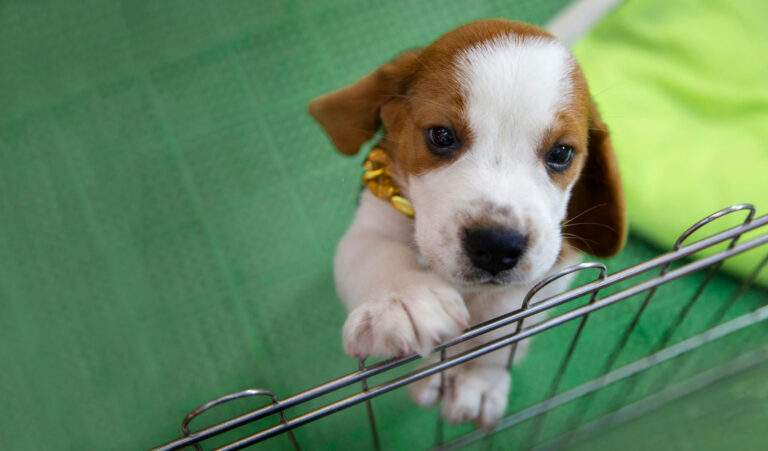
When welcoming a new puppy into your family and introducing them to an environment with unfamiliar scents and sounds, crate training can be a great way to help them settle.
There are a number of good reasons to crate train your puppy, including:
Crates come in all shapes and sizes; the main thing to take into account is that your puppy’s crate should be big enough that they can stand up and turn around easily in it, even as they grow. Make sure they have the room to lie down comfortably, with enough space for bedding and a water bowl.
There’s no one-size-fits-all approach to crate training – it’s all about what works for you and your pup. Starting them early on should help it all go smoothly, but it’s important to take it one step at a time.
Once you’ve set your puppy’s new crate up, make sure you have the door secured open so that it won’t shut on them. Adding some of their bedding, soft blankets or towels inside can make it more welcoming and comfortable.
Getting them used to their crate can take as little as a few minutes or as long as several days. They may be naturally curious and investigate the crate straight away – if they show interest, reward them with treats. If they don’t, or are even a bit wary of the crate, this is absolutely fine and will just mean you need to keep rewarding them positively when they choose to approach it. You can try putting treats or their favourite toy near to it and, as they gain confidence, move these to just inside the door.
Once your puppy has happily settled and is spending time in their crate without any worries, you can start gently shutting the door (but don’t lock it) for short periods of time to help them get used to it. Some owners choose to do this step while their puppy is eating meals inside the crate, as it helps to create a positive association. You could provide a long lasting chew or a Kong while they’re inside too.
It’s worth repeating this step for several days, making sure your puppy is relaxed throughout.
As your puppy gets used to the door being closed, you can gradually increase the length of time you do this for. You should be able to introduce a command word such as ‘crate’ or ‘bed’ to encourage them in, which they can be rewarded for.
Once they are comfortable with this, start locking the door while staying near to the crate and then build up to leaving the room for a few minutes if they are calm. When you return to the room, sit quietly for a few minutes, then let your puppy out of the crate and reward them for good behaviour.
As before, repeating this step over time will help build up to you leaving them in the crate alone when you are out of the house, as well as overnight.
When your puppy can stay comfortably in their crate for around 30 minutes with you out of sight the majority of the time, you can begin leaving them crated while you’re out of the house for short periods.
Start by putting them in the crate using your normal command and a treat. It can be useful to add a few safe toys to the crate too. Try not to make departures emotional and prolonged – instead, praise your puppy for getting in the crate, give them their treat and then leave quietly. When you return home, keep it low-key as to not over excite your puppy. Over time, you can build up how long you are able to leave the house for, up to a maximum of 4-5 hours.
Tip: While at home, continue to crate your puppy for short periods from time to time, as it’ll prevent them from associating crating with being left alone.
For the first few months after you bring your puppy home, sleep might come sparingly! They have tiny bladders, so it’s very likely that they will need to go to the toilet often. That’s why crate training your puppy at night is important.
To help get them in the crate, use your normal command and a treat. Initially, you may want to place it in your bedroom or nearby in a hallway overnight, so that you can hear your puppy whine in cases where they do need to go. Eventually, when they are happily sleeping through the night, you can begin to gradually move their crate to a new location if you prefer.
If you have any questions or are concerned about your pet and would like some advice, please get in touch with your local St Kitts practice.
St Kitts Veterinary Centre: 01252 844044
Basingstoke Veterinary Centre: 01256 844944
Crookham Park Veterinary Centre: 01252 913990
Firgrove Veterinary Centre: 01252 877799
