

If you’re taking your dog, cat or ferret to Europe in 2026, there are important changes to the EU Pet Travel Scheme that affect owners living in Great Britain.
From 22nd April 2026, many pet owners resident in England, Scotland and Wales can no longer use previously issued EU pet passports for travel from Great Britain into the EU. This applies to EU pet passports issued in an EU Member State or Northern Ireland, including those issued before 22 April 2026.
In most cases, pets now need an Animal Health Certificate (AHC) for each trip.
This guide explains the new rules, what documents you need and how to prepare for stress-free travel with your pet.
If you live in Great Britain and want to travel with your pet to the EU:
The rule update affects residency status rather than the pet itself.
EU pet passports are intended primarily for owners resident in the EU. As a result, many British residents now need to use an Animal Health Certificate instead when entering the EU with their pet.
For frequent travellers, this means more planning before each trip.
An Animal Health Certificate (AHC) is an official veterinary document that allows your pet to travel from Great Britain to EU countries.
It confirms that your pet:
An AHC is generally valid for:
In most cases, yes.
If you leave the country for the EU again after the certificate expires, you will usually need a new Animal Health Certificate.
This is one of the biggest changes for pet owners who regularly travel to mainland Europe.
To travel from Britain to the EU, your pet usually needs a rabies vaccination (including boosters). Although not always legally required for travel, it is strongly advised to keep on top of your pet’s routine vaccinations, too.
The teams at each of our four North Hampshire practices are on hand to help you prepare for travelling with pets. We can:
If you are travelling to Europe with your pet, get in touch with your local St Kitts practice for support:
St Kitts Vets Hartley Wintney: 01252 844044
St Kitts Vets Basingstoke: 01256 844944
Crookham Park Veterinary Centre: 01252 913990
Firgrove Veterinary Centre: 01252 877799
Many British residents now need an Animal Health Certificate instead. We recommend checking your circumstances before travel.
We recommend booking as early as possible, especially before summer holidays and school breaks.
Yes. Cats, dogs and ferrets are commonly covered under pet travel rules.

Feline Infectious Peritonitis (FIP) has long been considered one of the most heartbreaking diagnoses a cat owner can receive. Once seen as a death sentence, this viral disease offered little hope. But now, thanks to recent advancements in veterinary medicine, that outlook is beginning to change. And one very special cat at our Crookham Park practice is living proof of just how far we’ve come.
Nandor’s story began as a rescue. He found his forever home in October 2024, and like any loving pet owner, his new family brought him straight to us for his vaccinations, microchip, and neutering. He was settling in well and enjoying life as a curious, playful cat.

Everything changed shortly after Christmas. He suddenly became quiet and withdrawn — no longer his bouncy, energetic self. Within a couple of days, he was struggling to walk, unsteady on his feet. Worried, his owner brought him in, thinking he might have hurt himself leaping off furniture (as cats love to do). But at first, nothing obvious showed up.
Things quickly got worse, as Nandor could barely lift his head, let alone stand. We admitted him straightaway, started IV fluids, and carried out a series of tests. It was then that FIP was suspected.
A few years ago, this would have been the moment we had to give the worst kind of news. But now, there’s something we can do.
Nandor was started on a newly developed treatment called GS-441524 — an oral liquid medication that must be given twice daily for a three-month course. The response was nothing short of amazing. Within just 24 hours, he began to lift his head again. Not long after that, he was trying to prop himself up on his front legs.


He began eating on his own again, the feeding tube was removed, and before long, his playful personality started to shine through once more. Now, halfway through his 84-day treatment, Nandor’s back to being a happy, energetic kitten with a glossy coat and a twinkle in his eye.

It’s still early days, but the change has been incredible – and we’re so proud to be part of his journey.
If your cat seems off-colour, unusually tired, or just not quite themselves, don’t wait. It’s always worth getting them seen by a vet.
With conditions like FIP, early intervention can make all the difference. Thanks to treatments such as GS-441524, many cats now have the chance to recover — most complete the 84-day course and come off the medication successfully. While relapse is possible, it’s rare.
Nandor’s journey is a shining example of how far veterinary medicine has come — and the life-changing difference it can make.
If you’re worried about your cat, contact your nearest St Kitts practice today:
St Kitts Vets Hartley Wintney: 01252 844044
St Kitts Vets Basingstoke: 01256 844944
Crookham Park Veterinary Centre: 01252 913990
Firgrove Veterinary Centre: 01252 877799
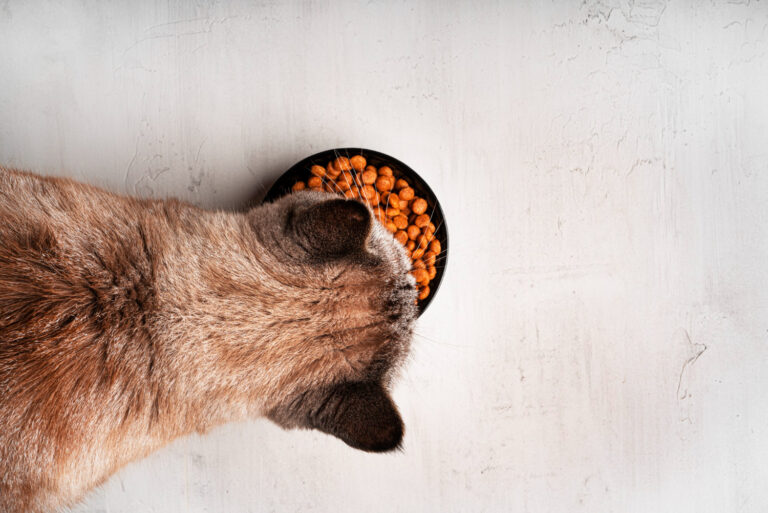
As pet owners, we want the best for our furry companions. A key part of their health and happiness lies in the food they eat. But do you really know what’s in your pet’s food? Let’s explore the ingredients that go into popular pet foods and what they mean for dogs, cats, and rabbits.
Understanding pet food labels can be tricky, but it’s essential to know what you’re feeding your pet. Look for clear descriptions of ingredients. For example:
Dogs are omnivores, meaning they thrive on a mix of proteins, carbohydrates, and fats. High-quality dog foods should list meat as the first ingredient. Key nutrients to look for include:
Excessive fillers such as wheat gluten and artificial preservatives like BHA or BHT should be avoided.
Unlike dogs, cats are obligate carnivores, meaning they require a meat-based diet. Essential nutrients include:
Foods high in carbohydrates and ingredients labelled generically as ‘meat meal’ or ‘meat by-products’ without specifying the source should be avoided.
Rabbits have a unique digestive system that requires a high-fibre diet. Their primary food sources should be:
Foods with added sugars or seeds and low-fibre pellets that lack nutritional value should be avoided.
Whether you have a dog, cat, or rabbit, avoid pet foods that contain:
Your pet’s nutrition is the foundation of their wellbeing. By understanding what’s in your pet’s food and making informed choices, you can ensure they lead a happy and healthy life. Whether it’s a balanced diet for your dog, nutrient-rich food for your cat, or high-fibre options for your rabbit, the key is in the details.
At St Kitts Vets, we’re here to help you make the best decisions for your pet’s health. If you have any concerns or need advice, don’t hesitate to get in touch with our team.
St Kitts Vets Hartley Wintney: 01252 844044
St Kitts Vets Basingstoke: 01256 844944
Crookham Park Veterinary Centre: 01252 913990
Firgrove Veterinary Centre: 01252 877799
With Pet Dental Health Month just around the corner, it’s the perfect time to focus on giving your pet a pawsitively perfect smile!
This February, St Kitts Vets is excited to offer an exclusive Dental Scale & Polish service at our Hartley Wintney branch, all at a special discounted price of just £250.
Just like humans, pets are susceptible to dental problems such as plaque buildup, tartar, and gum disease. If left untreated, these issues can lead to more severe health concerns, including infections, tooth loss, and even systemic illnesses. Our Dental Scale & Polish not only cleans your pet’s teeth but also helps prevent these problems from developing in the first place. Regular dental care is essential for maintaining your pet’s overall health and wellbeing.
Our comprehensive dental service is designed to give your pet a healthy mouth and a bright, clean smile. Here’s what you can expect:
To make sure your pet is a good candidate for our Dental Scale & Polish, we’re offering a FREE Pre-Scale & Polish Dental Check with one of our experienced veterinary nurses. This preliminary check will allow us to assess your pet’s dental health and discuss any specific concerns you may have.
Don’t miss out – this exclusive discount is only available at our Hartley Wintney branch throughout February.
To schedule your free pre-check and take advantage of this limited-time offer, call us on 01252 844044 or visit our Hartley Wintney branch today.
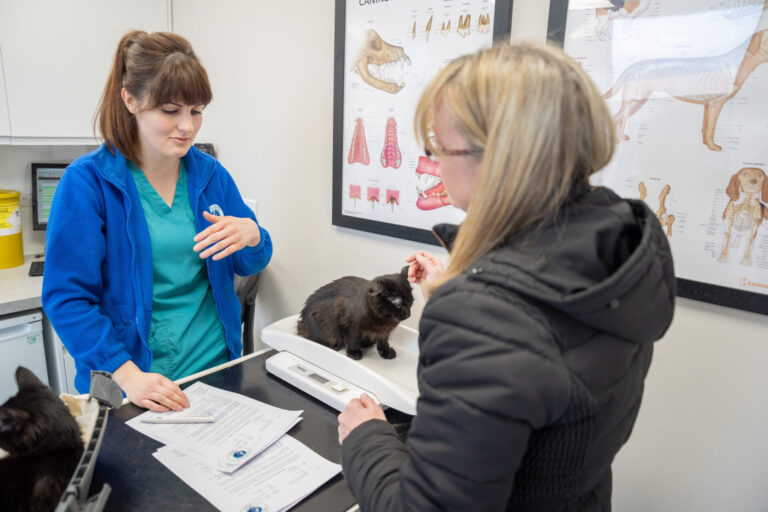
Regular vet check-ups are crucial for several reasons, all of which contribute to your pet living a long, healthy and happy life. During these routine appointments, your vet will be on the lookout for symptoms of illness, internal health issues and other conditions that may need addressing.
Here, our team at St Kitts Vets explain what makes regular check-ups so important.
Unlike us, pets can’t communicate when they are feeling unwell or experiencing discomfort. During a routine check-up, our vets will perform a thorough examination to identify any potential health problems early on. Early detection allows for timely intervention and treatment, which can significantly improve the outcome and may even save your pet’s life.
Prevention is always better than cure. Regular vet check-ups help ensure that your pet is up-to-date on vaccinations, parasite prevention, and other essential preventive measures. This significantly reduces the risk of your pet contracting avoidable diseases and infections.
Every pet is unique, and their healthcare needs may vary based on factors such as breed, age, lifestyle, and pre-existing conditions. During check-ups, our vets can provide tailored health recommendations, including dietary advice, exercise plans, and behavior tips, to help your pet live a healthier and happier life.
Dental problems are common in pets and can lead to serious health issues if left untreated. Regular vet check-ups will mean your pet’s teeth, mouth and gums can be given a quick once over to help maintain good oral health.
As pets age, they become more susceptible to certain health conditions, just like humans. Regular check-ups for senior pets allow us to monitor their health closely, catch age-related issues early, and provide appropriate senior pet care to improve their quality of life.
Pet obesity is a significant concern, as it can lead to various health problems. During vet check-ups, your pet’s weight can be monitored, and our vets and nurses can offer guidance on proper nutrition and weight management if needed.
No one likes visiting the doctor or the dentist, pets included! However, regular visits are a great way to help your pet become familiar and comfortable with the clinic environment and our team. This will help to reduce stress and anxiety during subsequent visits.
Many countries have specific requirements for vaccinations and animal health certificates when traveling or moving with pets. Regular vet check-ups ensure your pet’s vaccinations and paperwork are up-to-date, making travel and relocation hassle-free.
As a member, you get two FREE health checks per year – one with a vet during your pet’s booster appointment, as well as one with a nurse 6 months later.
Other excellent benefits include:
And more!
*Tick control included with Plus Plans only.
**One nail trim included with Standard Plans.
You can find out more about our Pet Healthcare Plans here.
You can book a check-up with our team online, or by getting in touch with your local practice:
St Kitts Vets Hartley Wintney: 01252 844044
St Kitts Vets Basingstoke: 01256 844944
Crookham Park Veterinary Centre: 01252 913990
Firgrove Veterinary Centre: 01252 877799
As we head into spring, it’s a crucial time to be aware of ticks, which are most commonly found between the spring and autumn months. These common parasites can pose threats to your pets and family if left untreated.
In this article, we’re sharing how you can identify and safely remove ticks from dogs and cats (as well your other pets!) to help protect them from infections like Lyme disease.
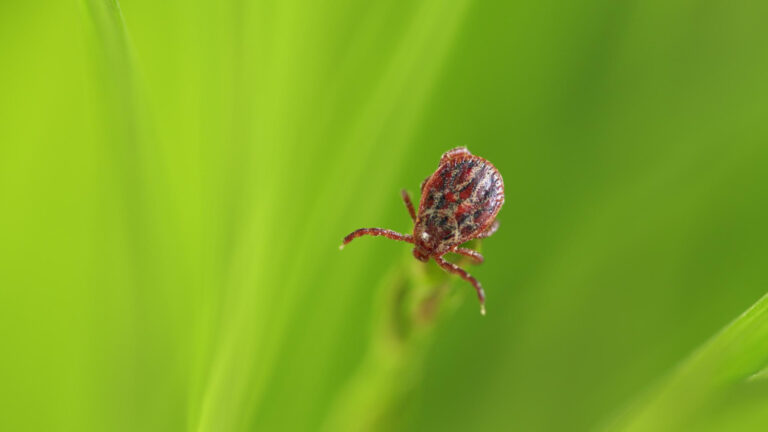
Ticks are small, spider-like parasites that have eight legs and an egg shaped body. They are typically found in long grass and woodland areas.
Unlike fleas, they don’t jump, but will latch onto your pet’s fur if they brush past. They can feed on their blood for a few days before dropping off once they’ve had enough. However, during this time, there’s a risk the tick could transmit a disease to your pet.
It’s important to check your pet’s fur regularly for ticks, paying close attention to areas like their ears, neck and paws.
You may notice ticks become darker in colour, as they feed on your pet’s blood.
When removing a tick, make sure you don’t squeeze the tick’s body or leave the head in, as this can push blood back into your pet and increase the chance of infection or disease transmission.
If you see a black spot, redness or swelling where the tick was located, it is likely the tick was only partially removed. In these cases, there is a higher risk of infection, so it’s best to book an appointment with your vet to get your pet checked over.
To avoid causing the tick to split, you’ll need to twist it off. This can be done easily using a tick removal tool, widely available at vets and pet shops.
Some people try to burn ticks off, or use lotion to suffocate them; we strongly advise against this. These methods can harm your pets and will not prevent disease.
Lyme disease is a severe bacterial infection carried by ticks. Dogs, cats and humans can all get Lyme disease, although it’s rare in cats.
Symptoms to look out for include (but may not be limited to):
Lyme disease can be treated with antibiotics, if detected early. If you are concerned that your pet may have Lyme disease or is showing any of the listed symptoms, contact your vet immediately for tests and prompt treatment.
It’s possible to protect your pet from ticks. With different types of preventative tick treatments, such as spot-on treatments and tablets available, that kill or repel ticks if they attach themselves.
Tick treatment is included with our Pet Healthcare Plus Plans, with products delivered straight to your door. Our Plus Plans also cover:
To find out more about our Pet Healthcare Plans, click here.
If you are worried about removing the tick yourself, or have concerns about your pet’s health, contact your local St Kitts practice immediately:
St Kitts Vets Hartley Wintney: 01252 844044
St Kitts Vets Basingstoke: 01256 844944
Crookham Park Veterinary Centre: 01252 913990
Firgrove Veterinary Centre: 01252 877799
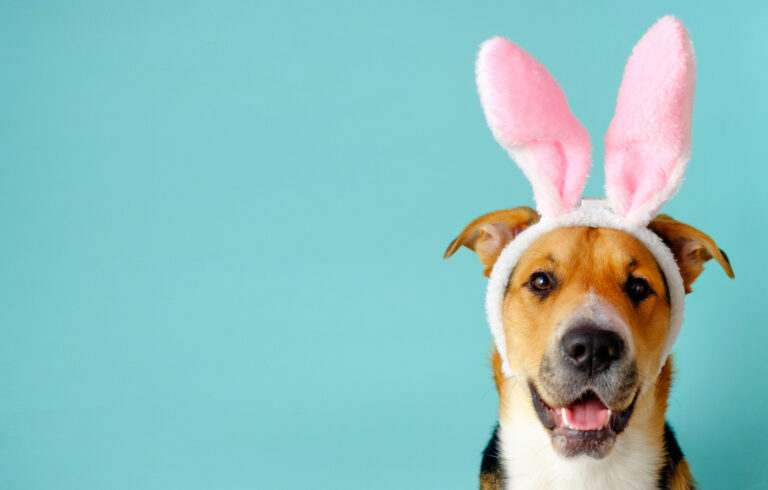
Easter is a time of joy, celebration, warmer weather and, of course, lots of chocolate! But it also brings potential hazards for our furry friends. Pets, curious and eager to explore, may find themselves in risky situations, whether it be around certain foods or even out in the beauty of nature. In this article, we’re highlighting some of the common Easter dangers for pets and tips on how to keep them safe.
Generally, at this time of year, there’s no shortage of sweet treats in our homes, though this does mean there are more opportunities for our pets to get their paws on whatever they may find lying around.
Surveys by the British Veterinary Association (BVA) have found that around three in five vets treated pets for chocolate poisoning during the Easter holidays. These stats have changed very little over the years, indicating that more needs to be done to highlight the danger chocolate poses to pets.
Chocolate and sweets are toxic to both dogs and cats, containing substances like theobromine, xylitol and caffeine that can cause side effects like vomiting, diarrhoea, rapid breathing and increased heart rate, among others. Symptoms can take anywhere between 4-24 hours to show, so it’s really important to get in touch with your vet immediately if your pet has eaten anything they shouldn’t have.
Dogs are typically the ones who are most tempted, as cats and rabbits can’t taste the sweetness, but it’s best to keep any Easter eggs and other human treats far out of reach in fridges, cupboards or drawers.
While spring is a time where our gardens and homes brighten up with beautiful blooms, it can also pose a serious problem in cases where some plants are toxic to our pets.
For an extended list of plants that are harmful to pets, please read our other articles:
They’re an Easter favourite for us humans, but come with a word of warning: don’t share these with your pets! Raisins and sultanas, along with many other dried fruits, are known causes of kidney failure in both cats and dogs, even it’s just a small quantity.
If you arrange an Easter egg hunt in your garden, just make sure that all have been found before you let your dog outside, as they’ll easily find any that have been left behind. Even if you’ve used plastic or hard boiled eggs instead of chocolate ones, these can still be harmful, causing blockages or other digestive issues.
The hustle and bustle of Easter celebrations can be overwhelming for pets – particularly if travel is involved. Many pets don’t respond well to changes in routine, which can cause stress. Look out for changes in their behaviour, including becoming withdrawn or more reactive, panting and shaking, or needing the toilet more than usual.
We hope you and your pets have a safe and wonderful Easter!
If you suspect your pet may have eaten something they shouldn’t have, please get in touch with your local St Kitts practice:
St Kitts Vets Hartley Wintney: 01252 844044
St Kitts Vets Basingstoke: 01256 844944
Crookham Park Veterinary Centre: 01252 913990
Firgrove Veterinary Centre: 01252 877799

It may surprise you to hear that 65% of dogs and 39% of cats in the UK are either overweight or obese – something that is definitely a growing concern.
In fact, a recent study found the average dog is being overfed by 54,000 calories a year – that’s the equivalent of a human consuming 402 burgers!
To help you keep your pet a healthy weight, we consulted with the team at St Kitts to put together their top tips. It’s important to note that your pet’s specific breed characteristics will need to be considered individually, as all will have varying body types.
A subtle change to your pet’s physical appearance can be a sign your pet is becoming overweight. To check, see if you can easily feel your pet’s ribs without pressing too hard. If you can’t feel them, this may mean your pet is overweight.
Look at your pet – if there is no distinct waist or if it appears to be bulging, your pet may be carrying excess weight. Having a noticeable waist, between the ribs and hips, is a healthy sign.
A slight tuck in the abdomen is normal for many pets. If there is no discernible tuck or if the belly hangs down, it could indicate excess weight.
If your pet seems to be lacking in energy and unwilling to play or explore, it could be a sign that excess weight is causing them discomfort when actively moving about.
If your pet is having difficulty moving around, jumping or exercising, it might be due to excess weight. Observe their activity level and consult your vet if there are any concerns.
Feed your pet a well-balanced and nutritional diet, suitable for their age, size and breed. You can always ask your vet for advice on the appropriate type and amount of food for your pet.
Keep track of your pet’s weight over time. Sudden or consistent weight gain could be a sign of an issue. Regular visits to your vet for weight checks can help monitor this.
Be observant – keep an eye on what your pet is eating, as it might be more than you think! If you make any changes to their diet, check their weight and monitor their progress.
Be mindful that leftovers aren’t really meant for pets, especially ones with a high fat content; It can be easy to pile on the pounds when regularly feeding them bits and pieces. Eating inappropriate food can also lead to the development of other conditions, such as pancreatitis.
A new lower calorie diet could be key to helping your pet lose weight. Be sure to check with your vet before introducing a new diet to make sure it’s appropriate.
Treats are great as a reward, but they should be just that, a treat, not part of your pet’s regular diet. Take care to only offer treats intended for pets and opt for healthier alternatives to keep the calories under check.
Regular exercise is an important part of staying fit and healthy. It’s reported that 44% of dog walks are less than 30 minutes, with 13% of dogs not being walked every day.
If you’ve noticed your dog is gaining weight, simply extend their walk by ten minutes, or take them out for another short walk during the day to help them burn fat. Interactive toys are another great way for your pet to burn calories.
Instead of leaving food out all day, establish a feeding schedule. This allows you to control the portions and monitor your pet’s eating habits.
Measure your pets food to avoid overfeeding. Follow the feeding guidelines provided by the pet food manufacturer, and adjust as necessary based on your pet’s activity level and age.
Consistency is key to maintaining a healthy weight for your pet. Stick to their feeding and exercise routine to avoid your pet becoming overweight and don’t be afraid to raise any concerns with your vet.
At St Kitts, we offer Weight Clinics run by our expert Veterinary Nurses for pets who are overweight, providing plans to suit the individual needs of the pet.
Our team will organise regular weigh-in appointments and can provide owners with expert advice on diet and exercise.
If you have concerns about your pet’s weight, contact your local St Kitts practice immediately:
St Kitts Vets Hartley Wintney: 01252 844044
St Kitts Vets Basingstoke: 01256 844944
Crookham Park Veterinary Centre: 01252 913990
Firgrove Veterinary Centre: 01252 877799

Over the Christmas period, we all like to tuck into some festive treats and it can be hard to say no to the puppy eyes and pawing at your leg from pets who are desperate to have a taste for themselves. However, while dinners with all the trimmings will go down a hit with us humans, there are a number of items that can be harmful to our pets.
To guide you through a safe and merry Christmas with your pets, we’ve put together a list of foods that may not agree with our pets’ digestive systems and should therefore be kept out of paw’s reach.
The caffeine found in everyday items such as coffee beans, tea bags and fizzy drinks can cause your pets harm. It’s important to keep them stored securely to avoid causing heart palpitations, rapid breathing and restlessness.
Be mindful of everyone’s festive favourite – chocolate – as the stimulant Theobromine found in this is poisonous to your pet. It can affect their digestive, heart and central nervous systems, causing symptoms such as vomiting, diarrhoea, restlessness, hyperactivity and seizures. In some cases, these effects can be fatal.
It’s common to want to share the odd tidbit with your pet while you’re cooking, but bones can be a big hazard, as they’re prone to splitting and can sometimes scratch or get lodged into your pet’s throat, as well as fracture their teeth.
Salmonella may also be present in raw bones, which is equally as dangerous and can cause vomiting, diarrhoea, abdominal pain, loss of appetite, lethargy and fevers. It’s best not to share bones, particularly raw ones, to avoid any complications.
Large chunks of corn on the cob can be hard for your pet to digest and may cause serious blockages that often require emergency surgery. Symptoms to watch out for include vomiting, loss of appetite, constipation or diarrhoea and stomach ache.
Most pets will find it difficult to properly digest the lactose in milk and cheese products, so it’s safer if you avoid giving them dairy altogether. In some cases, dairy can cause vomiting, diarrhoea and potential skin allergies.
Particular types of blue cheese, such as Roquefort, produced using a fungus that pets are commonly sensitive to. In extreme circumstances, animals can quickly develop muscle tremors and seizures.
Fortunately, there are plenty of pet-friendly alternatives you can try for a healthy and balanced diet, without the risk of digestive issues or allergic reactions associated with dairy consumption.
Although small in size, fruits like grapes, raisins and sultanas are toxic and can cause diarrhoea, vomiting, lethargy and dehydration. In serious cases, these symptoms can lead to kidney failure, which is often fatal. Common festive treats like mince pies, stollen and Christmas pudding should be kept safely away, as they’re packed with these fruits.
In general, it’s not advisable to give your pet any nuts, but this is especially important with macadamia nuts, as they are the most toxic. It can take just 12 hours after ingestion for the symptoms to appear, which include weakness, depression, tremors, vomiting and increased body temperature. Effects can sometimes be fatal.
Nutmeg is often used to add spice to festive treats but it’s highly poisonous to pets. Symptoms to be aware of are tremors and seizures.
Pigs in blankets tend to be a staple in UK homes over Christmas – and with good reason for us humans! However, because of the fat and salt content, you should avoid slipping one or two to your pets at the dinner table. When eaten, foods like this can cause digestive issues including pancreatitis, where the pancreas becomes inflamed. Keep an eye out for vomiting, loss of appetite and abdominal pain, as these can be common symptoms.
Offering your pets fat trimmings, raw meat, raw eggs and raw fish should be avoided at all costs. Raw ingredients like this can cause salmonella, which may induce vomiting, diarrhoea and loss of appetite. For cats in particular, too much fat can lead to pancreatitis.
Common types of stuffing – including sage and onion – contain a number of ingredients that can be dangerous to pets. Things like onions, garlic, leeks, shallots and chives (those that belong to the allium family) contain a substance that causes damage to the red blood cells of pets and can lead to life-threatening anaemia. Signs that your pet may have ingested these items include tiredness and lethargy.
The artificial sweetener, Xylitol (which is found in many sugar-free sweets, cakes, gum and diet foods) can trigger a sudden release of insulin in cats and dogs. This may cause seizures and damage to their livers. Be on the look out for signs such as vomiting, weakness and lack of coordination.
Fermented yeast dough can produce alcohol which is toxic to your pet. Common symptoms to watch out for include bloating, excess gas and constipation.
Just because there are particular foods that your pet should steer clear, it doesn’t mean they can’t join in the festivities! Instead, why not treat them to some delicious cat and dog friendly treats that they’ll love just as much.
If you have concerns about your pet’s health, contact your local St Kitts practice immediately:
St Kitts Vets Hartley Wintney: 01252 844044
St Kitts Vets Basingstoke: 01256 844944
Crookham Park Veterinary Centre: 01252 913990
Firgrove Veterinary Centre: 01252 877799

Earlier this week, we shared a blog post on the signs of eye problems in dogs, as we look to support TVM’s annual Pet Eye Health Awareness Week (18th – 24th September 2023). Continuing our series, next up we’re looking at signs of eye problems in cats, highlighting common symptoms and conditions to be aware of.
If you notice a change in your cat’s eyes, contact your local vet for an appointment.
Eye infections are one of the most common eye conditions in cats, which can be caused by bacteria or viruses. If your cat suffers from frequent eye infections, they might have an underlying condition, such as cat flu.
Eye ulcers are a wound on the surface of the eye (the cornea). If left untreated, ulcers can lead to loss of an eye.
Conditions such as entropion, where the eyelids can turn inwards and rub the eyeball, are quite common and can cause infections, pain and inflammation.
Cataracts, the clouding of the lens, is much less common in cats than in dogs, but does sometimes occur. Cataracts in cats are usually caused by another condition such as an injury – or glaucoma, uveitis or lens luxation (all of which we will come onto shortly).
Retinal detachment is where the thin layer of cells (the retina), separates from the back of the eye, causing loss of vision. Retinal detachment is often due to high blood pressure and is common in cats with hyperthyroidism and kidney disease.
Uveitis is when the coloured part of the eye (the iris) and the area around it can get all inflamed. If you suspect this with your cat, it is best to get it checked out and treated as soon as possible.
Growths can occur in, around and behind the eye. It’s important to get any new lumps checked by your vet immediately, so your pet can receive vital, and often life-saving, treatment.
Lens luxation is when the lens comes out of position, often because of another underlying condition, which can cause your pet discomfort. If not treated it can lead to the loss of vision.
Glaucoma is a painful condition caused by the build-up of increased pressure inside the eye. If left untreated, unfortunately glaucoma can quickly lead to blindness.
If you have concerns about your cat’s eyes, contact your local St Kitts practice.
St Kitts Vets Hartley Wintney: 01252 844044
St Kitts Vets Basingstoke: 01256 844944
Crookham Park Veterinary Centre: 01252 913990
Firgrove Veterinary Centre: 01252 877799
