If your pet ever went missing, would they be able to find their way back home?
At St Kitts Vets, we know that pets are family. Whether it’s a curious cat who likes to explore the neighbourhood or an adventurous dog who spots an unexpected opportunity for a sprint, even the most loved and well-cared-for pets can sometimes wander off.
That’s why microchipping remains one of the simplest and most effective ways to protect your pet and give yourself peace of mind.
A microchip is a tiny device, roughly the size of a grain of rice, that is placed just under your pet’s skin. Each chip contains a unique identification number that is linked to your contact details on a secure database. If your pet is found and taken to a veterinary practice, rescue centre or local authority, they can scan the chip and quickly access the information needed to contact you.
Unlike collars and ID tags, which can break, fall off or be removed, a microchip provides a permanent form of identification that stays with your pet for life.
1. It helps reunite lost pets with their owners
Every year, thousands of pets go missing across the UK. While we all hope it never happens to our own pets, accidents can occur in a matter of seconds. A gate is left open, a loud noise causes panic or a cat simply wanders further than usual.
A microchip significantly increases the chances of a lost pet being reunited with their family because it provides a reliable way of identifying them. When a pet is scanned, the unique chip number can be matched to the owner’s contact details, helping them get home where they belong.
2. It’s a legal requirement
Many pet owners are surprised to learn that microchipping isn’t just recommended; it’s required by law.
In England, dogs must be microchipped by the age of eight weeks and owners are legally responsible for keeping their contact details up to date. Since 2024, the same requirement applies to cats, which must be microchipped by the time they reach 20 weeks old.
Microchipping your pet helps you stay compliant while ensuring they have the best possible protection should they ever become lost.
3. It’s quick, safe and simple
One of the biggest misconceptions about microchipping is that it is complicated or uncomfortable for pets. In reality, the procedure is quick and straightforward.
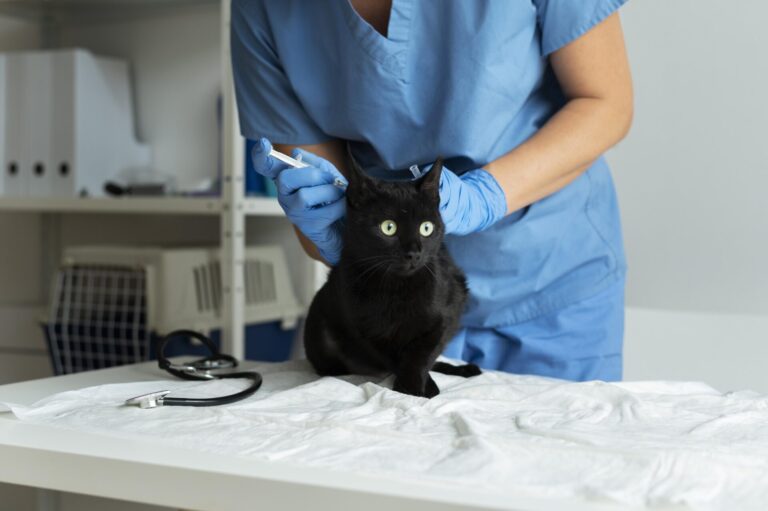
The microchip is inserted under the skin using a sterile needle, usually between the shoulder blades. Most pets react no more than they would during a routine vaccination and no anaesthetic is required.
Once fitted, the chip should last for your pet’s lifetime.
Having a microchip is only part of the story. If you’ve moved house, changed your phone number or updated your email address, it’s important to ensure the database information linked to your pet’s microchip is updated too.
An outdated microchip record can make it much harder for someone to contact you if your pet is found. We always recommend checking your details regularly, particularly if you’ve recently moved or changed contact information.
If you’re planning to travel abroad with your pet, microchipping is often an essential requirement for obtaining the relevant travel documentation. It plays a key role in proving your pet’s identity and ensuring travel regulations are met.
Thinking about taking your dog to Europe? We’ve put together a handy guide, ‘How to travel with your dog from the UK to Europe’, covering everything you need to know before you travel, from the required paperwork to preparing your pet for the journey.
At St Kitts, we’re passionate about helping pets stay safe. A lost pet can be incredibly distressing, but microchipping provides a simple, reliable and permanent way of helping them find their way back home.
Our teams can quickly and safely microchip your pet, answer any questions you may have and help ensure your details are correctly registered. The microchip contains a unique identification number linked to your contact details on a secure database, allowing veterinary practices, rescue centres and local authorities to contact you if your pet is found.
To learn more about the procedure and its benefits, visit our microchipping service page.
For members of our Pet Healthcare Plan, the good news is that microchipping is free! Alongside a range of preventative healthcare benefits, our plans help make it easier to keep your pet happy, healthy and protected throughout their life.
Take a moment to check that your pet’s microchip details are up to date. If your pet isn’t microchipped yet, or you’d like advice on keeping their information current, our friendly teams are here to help.
St Kitts Vets Hartley Wintney: 01252 844044
St Kitts Vets Basingstoke: 01256 844944
Crookham Park Veterinary Centre: 01252 913990
Firgrove Veterinary Centre: 01252 877799

As summer approaches, many families are starting to plan holidays, book European getaways and prepare for road trips abroad. For dog owners, one question often comes up early on, can we take the dog with us?
The good news is yes. Whether you’re dreaming of countryside walks in France, coastal breaks in Spain or exploring somewhere completely new together, travelling with your dog from the UK to Europe is still very achievable with the right preparation.
While pet travel rules have changed since Brexit, most of the process is straightforward once you understand what’s needed before you travel. Here is a guide to preparing your dog for travel to Europe, including the vaccinations, paperwork and checks you’ll need before setting off…
Yes, dogs can still travel from the UK to EU countries, but most pets now need an Animal Health Certificate (AHC) instead of an EU pet passport. This applies to dogs, cats and ferrets travelling from England, Scotland and Wales into the EU.
An AHC will allow for 1 entry into the EU and back into England.
If you are travelling with other pets, such as rabbits, birds or reptiles, the requirements can vary depending on the country you’re visiting, so it’s always worth checking in advance.
Before travelling to Europe, there are a few important legal requirements your dog must meet…
Your dog must be microchipped before receiving their rabies vaccination. The microchip links your pet to their travel documents and their rabies and acts as permanent identification throughout the journey.
If your dog was vaccinated against rabies before being microchipped, the vaccine will not be accepted for travel purposes.
Rabies vaccination is required for travel to the EU. If it’s your dog’s first rabies vaccination or the previous vaccination has run out, there is normally a waiting period (currently 3 weeks) before they can travel, so it’s important to plan ahead rather than leave things until the last minute.
Dogs must be over the age of three months to be vaccinated against Rabies.
Booster vaccinations also need to stay up to date throughout your trip.
An Animal Health Certificate is now the main document UK pet owners need for travel to the EU. It must be completed by an Official Veterinarian (OV) shortly before you travel.
The certificate confirms that your pet:
Once issued, the certificate is generally valid for entry into the EU and onward travel within the EU for up to four months, provided your pet’s rabies vaccination remains valid.
Our team at St Kitts can guide you through the process and provide an Animal Health Certificate to help ensure everything is in place before you travel.
Before returning to Great Britain, dogs must normally receive tapeworm treatment from a vet between 24 and 120 hours before arriving back in the UK.
This treatment must be recorded correctly in your paperwork. Missing this step can lead to delays at the border, so it’s a good idea to arrange the appointment before you travel.
Speak to your vet if your trip to the EU is under one day.
The most common issues we see are usually linked to timing. Many travel requirements work within strict deadlines, particularly around rabies vaccinations and issuing the Animal Health Certificate.
Other common mistakes include:
Preparing early helps avoid unnecessary stress closer to departure.
Every dog reacts differently to travelling. Some love the adventure, while others can feel anxious during long journeys.
A few simple steps can make travel easier for your pet:
If your dog is nervous or travelling abroad for the first time, it can also help to book a pre-travel check-up with your vet for advice and reassurance.
Travelling to Europe with your dog doesn’t have to feel complicated. With the right preparation and veterinary support, most pets travel safely and comfortably every day.
At St Kitts, our team can help with microchipping, vaccinations and Animal Health Certificates for EU travel so you can travel with confidence.
If you’re planning a trip to Europe with your dog, we recommend booking your appointment early to allow enough time for vaccinations, paperwork and travel checks before departure. Get in touch with your local practice today:
St Kitts Vets Hartley Wintney: 01252 844044
St Kitts Vets Basingstoke: 01256 844944
Crookham Park Veterinary Centre: 01252 913990
Firgrove Veterinary Centre: 01252 877799
What does my dog need to travel from the UK to Europe?
Most dogs travelling from the UK to Europe will need a microchip, a valid rabies vaccination and an Animal Health Certificate (AHC). We can help with both microchipping appointments and Animal Health Certificates for EU travel before your trip.
How long before travelling should my dog have a rabies vaccination?
If it’s your dog’s first rabies vaccination, they usually need to wait at least 21 days before travelling to Europe. It’s always best to plan ahead so there’s enough time to organise everything before your departure date.
Does my dog need tapeworm treatment before coming back to the UK?
Yes, most dogs returning to Great Britain from Europe need tapeworm treatment from a vet before returning home. This treatment must usually be given between 24 and 120 hours before arriving back in the UK and recorded in your dog’s travel paperwork.
For more information about diseases abroad, please visit the Government website.
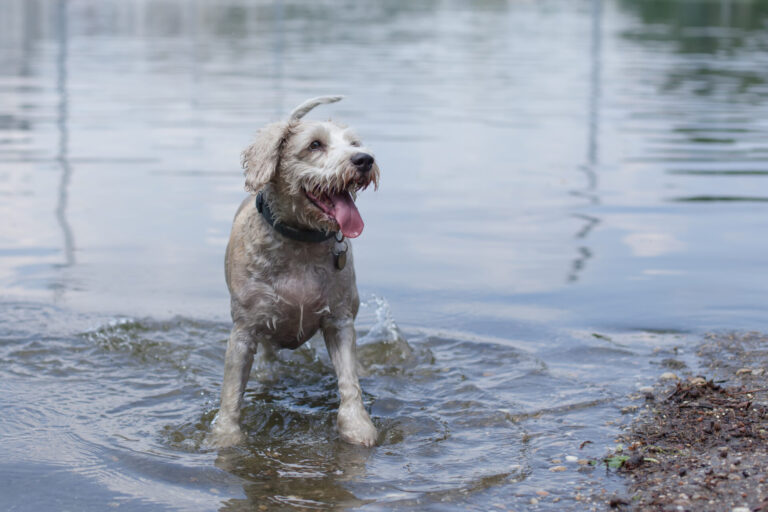
Warm weather often means longer walks, countryside adventures and days by the water with your dog. But from spring through early autumn, blue-green algae becomes a serious hazard that every dog owner should be aware of. Found in ponds, lakes and slow-moving water, it can be extremely toxic, and dogs can become very unwell in a short space of time.
At St Kitts Vets, we believe that prevention starts with awareness. This guide explains what blue-green algae is, why it’s dangerous and what to do if you think your dog has been exposed…
Despite the name, blue‑green algae isn’t actually algae at all, it’s a type of bacteria called cyanobacteria. It thrives in warm weather and is most common in stagnant or slow‑moving water.
You might notice it as a green, blue‑green or brown film on the surface, sometimes looking like paint, foam or thick scum. The water may also appear cloudy or have an unpleasant smell. Even if you can’t see it clearly, harmful toxins may still be present.
Dogs are naturally curious around water. They may swim, paddle, drink from it or lick their fur afterwards, all of which can lead to exposure.
The toxins produced by cyanobacteria can affect the body very quickly, targeting:
In severe cases, poisoning can become life‑threatening within hours.
Signs of poisoning can appear rapidly, sometimes within minutes. Symptoms vary depending on the amount ingested and the type of toxin involved.
Common signs include:
If your dog shows any of these symptoms after being near water, contact a vet immediately.
In the UK, it’s most common from late spring to early autumn. It tends to grow in ponds and lakes, reservoirs, canals, slow‑moving rivers and some garden ponds.
Warning signs are sometimes displayed, but blooms can appear quickly, so always check the water before letting your dog go near it.
The safest option is to avoid any water that looks suspicious. If the surface appears scummy, discoloured or stagnant, keep your dog well away.
A few simple precautions can help:
When in doubt, choose caution and move on.
If you think your dog has come into contact with contaminated water, act quickly. Move them away from the area straight away and try to stop them licking their fur. If you’re able to, rinse their coat with clean water to remove any residue.
Once they’re safe, contact your vet for advice. Don’t wait for symptoms to appear, early treatment gives your dog the best possible chance of recovery.
There is no specific antidote for blue‑green algae toxins. Treatment focuses on supporting your dog and managing symptoms.
Depending on the severity, your vet may provide fluids, medication, oxygen therapy and close monitoring. Some dogs require intensive care, especially if the liver or nervous system is affected.
Blue‑green algae is a seasonal risk that can become serious very quickly, but fast action can save lives. If your dog has been swimming in suspicious water, has drunk from a pond, or seems unwell after a walk, contact us straight away.
Our friendly teams at St Kitts Vets are here with urgent advice, rapid treatment and ongoing support whenever your pet needs us. Contact your nearest practice:
St Kitts Vets Hartley Wintney: 01252 844044
St Kitts Vets Basingstoke: 01256 844944
Crookham Park Veterinary Centre: 01252 913990
Firgrove Veterinary Centre: 01252 877799
Is blue‑green algae always visible?
No. Water can still be unsafe even if you can’t see a bloom.
Can dogs survive blue‑green algae poisoning?
Yes, especially if treatment is started quickly. Sadly, severe cases can be fatal.
Is it harmful to humans?
Yes. It can irritate skin and cause illness if swallowed, so people should also avoid affected water.
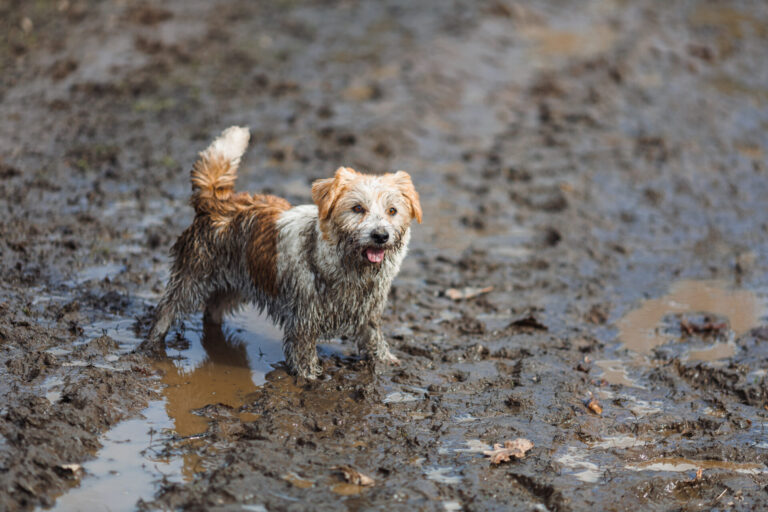
Alabama Rot is a condition that understandably causes concern among dog owners. Although it is rare, it can be serious, so knowing what to look for and when to act is important. In this guide, our veterinary team explains what Alabama Rot is, the signs to watch for, and how you can help protect your dog.
Alabama Rot (also known as Cutaneous and Renal Glomerular Vasculopathy or CRGV) is a rare disease that affects the small blood vessels in a dog’s body. It most commonly impacts the skin and, in more severe cases, the kidneys.
Dogs with the condition may initially develop visible skin lesions, but if the disease progresses, it can interfere with kidney function and lead to more serious illness. While cases have been reported across the UK, it’s important to remember that Alabama Rot remains uncommon and the vast majority of dogs are never affected.
Despite ongoing research, the exact cause of Alabama Rot is still unknown. Veterinary experts believe it is likely linked to environmental factors, as many cases occur in dogs that have been walked in muddy or woodland areas.
There is also a seasonal pattern, with more cases reported between late autumn and spring. Some studies have explored possible links to toxins or bacteria, but no single cause has been confirmed. As a result, there is currently no vaccine or guaranteed method of prevention.
The early signs of Alabama Rot can be subtle, which is why it’s so important to check your dog regularly and seek advice if anything seems unusual.
The most common early symptom is the appearance of skin lesions. These may look like sores, ulcers, or areas of redness and are often found on the paws, legs, face or underside. They can develop suddenly and may not be linked to any obvious injury.
In some dogs, more serious symptoms can follow several days later if the kidneys become affected. These can include:
Not all dogs with skin lesions will go on to develop kidney problems, but it’s always best to have any concerns checked promptly.
Diagnosing Alabama Rot can be challenging, as there is no single definitive test. Instead, vets rely on a combination of clinical signs and diagnostic investigations.
Your vet may carry out blood and urine tests to assess kidney function and overall health. In some cases, further tests such as biopsies may be recommended. Often, careful monitoring over time is needed to build a clearer picture.
Treatment depends largely on how early the condition is identified and whether the kidneys are involved.
In milder cases where only the skin is affected, treatment focuses on managing the lesions, keeping your dog comfortable and monitoring closely for any changes.
If there are signs of kidney involvement, more intensive treatment is required, often within a veterinary hospital setting. Treatment may include:
Advances in veterinary medicine mean that outcomes are improving, particularly when the condition is recognised early.
Because the cause remains uncertain, prevention is not always straightforward. However, there are some sensible steps you can take to reduce potential risk.
After walks, particularly in muddy or woodland areas, it’s a good idea to rinse your dog’s paws and legs and check for any unusual marks or sores. Staying aware of your dog’s normal behaviour and appearance will also help you spot any early changes.
If you notice anything out of the ordinary, even if it seems minor, seeking veterinary advice early is always the safest approach.
It’s completely understandable to feel concerned when hearing about Alabama Rot, but it’s important to keep things in perspective. The condition is very rare and most dogs will never be affected.
Awareness is key. By knowing the signs and acting promptly if needed, you are already doing the best thing for your dog’s health and wellbeing.
If you’re worried your dog may be showing signs of Alabama Rot, or you’ve noticed any unusual sores or changes in their behaviour, our team is here to help. Seeking advice early can make a real difference, so please don’t hesitate to get in touch:
St Kitts Vets Hartley Wintney: 01252 844044
St Kitts Vets Basingstoke: 01256 844944
Crookham Park Veterinary Centre: 01252 913990
Firgrove Veterinary Centre: 01252 877799
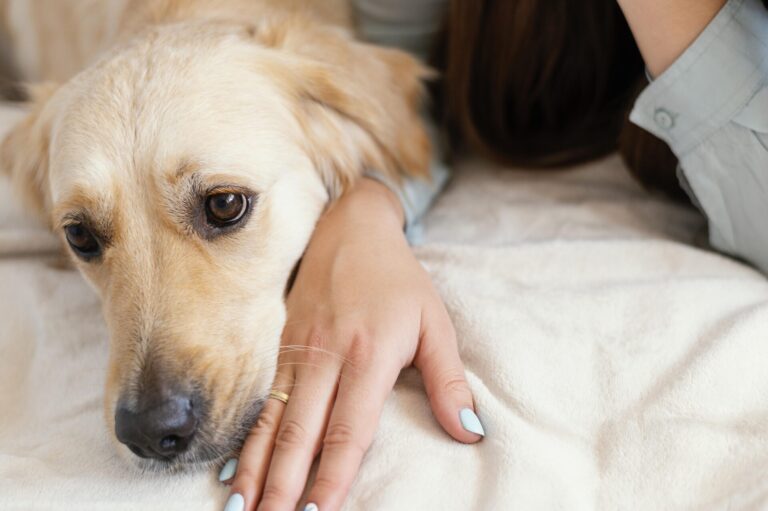
Just like humans, pets can develop allergies to things in their environment, food, or even fleas. These allergies can cause a lot of discomfort, itchy skin, upset tummies, and constant scratching can all be signs that something isn’t quite right.
At St Kitts, we’re here to help you spot the signs early and support your pet with the right treatment.
Allergies happen when your pet’s immune system reacts to something that’s usually harmless, like pollen, certain proteins in food, or flea bites. While the allergen itself isn’t dangerous, the body’s reaction can lead to uncomfortable symptoms that need to be managed.
Pet allergies often show up through skin and coat issues, but they can also affect the ears, eyes, or digestion. Signs to look out for include:
If you notice these symptoms, especially if they appear regularly or in certain seasons, it’s worth speaking to your vet.
There are a few main types of allergies we see in pets:
Environmental allergens: Things like pollen, mould, dust mites, and even household cleaning products can trigger symptoms, especially in spring and summer.
Flea allergies: Some pets are allergic to flea saliva. One bite can cause intense itching, particularly around the tail base, lower back, and thighs.
Food allergies: Less common, but still possible. Some pets react to ingredients like chicken, beef, dairy or grains, leading to digestive issues or skin flare-ups.
Dermatology is the area of veterinary medicine that focuses on skin, hair and nail conditions. Around 32% of canine cases seen in general practice are skin-related. These can range from simple issues that are easy to treat to complex conditions that need lifelong management.
Some problems are hereditary or breed-specific – for example:
To diagnose a skin condition or allergy, your vet will carry out a thorough examination, checking for irritation or infection and ruling out parasites such as fleas or mites. If a food allergy is suspected, an elimination diet may be recommended, and in more persistent cases, allergy testing can help to identify specific triggers.
Once the cause is identified, your vet will create a tailored treatment plan, which may include:
Because many skin conditions can be long-term, successful management often relies on a committed owner working closely with their vet to keep their pet comfortable and happy.
At St Kitts, we’re proud to have Sabina Prasad MRCVS, Cert AVP (Veterinary Dermatology) on our team. Sabina is designated as an Advanced Veterinary Practitioner in Veterinary Dermatology and is one of only a select number on the RCVS register. Her expertise means that pets with more complex or persistent skin conditions can receive expert care and tailored treatment plans right here in practice.
Think your pet might have an allergy? Don’t let them suffer in silence. Get in touch with your local St Kitts practice today to book an appointment today, we’ll help get to the bottom of it and put your pet on the path to feeling better.
St Kitts Vets Hartley Wintney: 01252 844044
St Kitts Vets Basingstoke: 01256 844944
Crookham Park Veterinary Centre: 01252 913990
Firgrove Veterinary Centre: 01252 877799
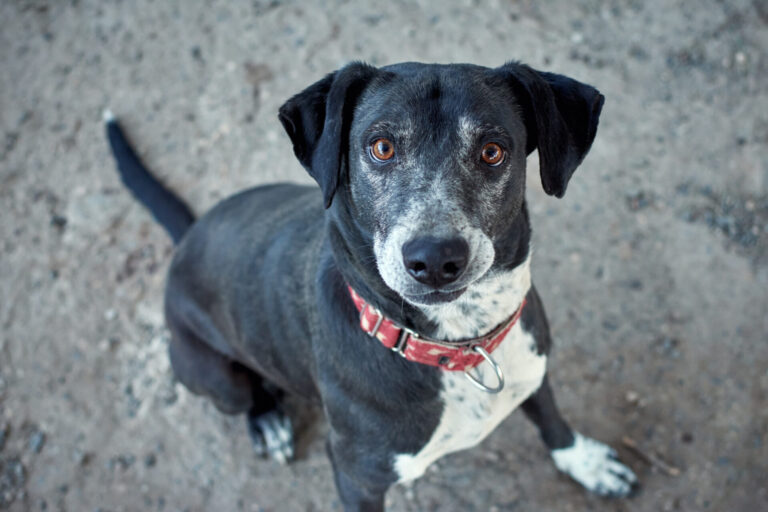
As our pets age, their needs begin to shift, sometimes subtly, sometimes more noticeably. Just like us, they may slow down, sleep more or become prone to health issues that weren’t a concern in their younger years. The good news? Many age-related conditions can be managed effectively when caught early.
In this blog, we highlight some of the most common health issues affecting senior dogs and cats and discuss how our Golden Oldies Clinic, running throughout September, can support you in keeping their health on track.
As pets get older, you might notice them seeming confused or disoriented, forgetting routines or not responding to things as they used to. Dogs may start pacing, staring into space or getting ‘stuck’ in corners, while cats might meow more at night or become more withdrawn. These can be signs of Cognitive Dysfunction Syndrome, a condition similar to dementia in humans, and surprisingly common in older pets.
While there’s no cure, there’s lots you can do to help. Sticking to a consistent routine, using puzzle feeders and keeping changes around the home to a minimum can all make life easier. There are also supplements and medications that can support brain health and help slow things down, which our vets can advise you on.
If your pet is slowing down on walks, reluctant to climb stairs, stiff after resting or struggling to jump up onto the sofa, they could be showing signs of arthritis or joint problems. You might also notice them licking or chewing at sore joints or becoming a bit grumpy when touched.
It’s easy to put these changes down to ‘just getting older’, but they could be in pain, and the good news is, there’s lots we can do to help. From joint supplements and anti-inflammatory medication to weight management and physiotherapy, early treatment can make a real difference to their comfort and quality of life.
Dental disease is very common in pets, affecting up to 80% over the age of three, and it’s even more likely as they get older. Bad breath is often the first sign, but you might also notice your pet struggling to chew, drooling, pawing at their mouth, bleeding gums or loose teeth. Some pets may go off their food or start preferring softer meals.
If left untreated, dental problems can cause ongoing pain and even lead to infections that affect organs like the heart and kidneys. Regular dental check-ups and professional cleaning under anaesthetic can help keep their mouth healthy and avoid more serious issues down the line.
It’s not unusual for older pets to develop lumps and bumps on or under their skin. These can be harmless (like fatty lumps) or something more serious, such as tumours. It’s important to keep an eye out for any new lumps or changes in existing ones, especially if they grow quickly, change shape or colour, become sore or start to bleed.
While many lumps turn out to be nothing to worry about, it’s always best to get them checked by a vet. Sometimes we’ll recommend a simple test, like a fine needle aspirate or biopsy, to find out exactly what the lump is and whether it needs treatment.
Heart disease in pets often develops silently. Signs to watch for include a persistent cough (especially at night), fatigue, difficulty breathing, exercise intolerance or collapse. You may also notice a swollen abdomen due to fluid build-up (ascites), particularly in dogs.
Simple checks like monitoring your pet’s blood pressure and listening to their heart can help spot early signs of heart disease. In some cases, a heart scan may be recommended for a closer look. Catching heart problems early means treatment and lifestyle changes can be put in place to help your pet stay comfortable and enjoy a good quality of life.
Chronic kidney disease (CKD) is especially common in older cats and also affects dogs. Signs can include increased thirst and urination, weight loss, poor appetite, vomiting, bad breath with a chemical smell and a dull, unkempt coat.
Kidneys often lose function gradually, so by the time symptoms appear, significant damage may already be present. Routine urine and blood tests can catch it earlier, allowing for dietary adjustments, medication and supportive care to help slow progression.
Diabetes is a condition we often see in older pets, especially overweight cats and certain dog breeds like Dachshunds, Miniature Schnauzers and Poodles. Common signs include drinking more water than usual, needing to wee more often, sudden weight loss despite a healthy appetite, tiredness and sometimes accidents in the house.
In more advanced cases, you might notice cloudy eyes (in dogs), vomiting or even collapse. The earlier it’s picked up, the better – with the right care, including insulin, a special diet and regular monitoring, most pets with diabetes can live happy, comfortable lives.
Hyperthyroidism is a common condition in older cats, caused by an overactive thyroid gland. You might notice signs like weight loss (despite a big appetite), restlessness, more meowing than usual, vomiting, diarrhoea or a coat that looks a bit scruffy.
The good news is it’s easy to diagnose with a simple blood test – and there are several effective treatment options, including medication, special diets, surgery or even radioactive iodine therapy, depending on what suits your cat best.
Just like us, pets can experience age-related changes to their eyesight. Conditions like cataracts, glaucoma and retinal degeneration become more common as they get older. You might notice their eyes looking cloudy, hesitation to go out in the dark, bumping into furniture or seeming startled when approached.
Some eye issues, like cataracts, can be treated with surgery, while others can be managed with small changes at home, such as keeping furniture in the same place and using scent cues to help your pet feel more confident moving around.
It’s easy to overlook the subtle signs of ageing in our pets, especially when changes happen gradually. That’s why regular senior check-ups are so important.
To help you stay one step ahead, we’re running our Golden Oldies Clinic throughout September: a comprehensive, nurse-led check-up designed for pets aged 7 and over. For just £30 (normally £75), your pet will receive:
It’s also a great opportunity to chat with our experienced veterinary nurses about your pet’s daily routine, habits and diet, where any concerns you may have can be addressed.
Whether your pet is already showing signs of ageing or you’d simply like peace of mind, this is a fantastic opportunity to catch any issues early and keep them feeling their best.
Give your golden oldie the care they deserve, and the best chance of staying happy and healthy for years to come. Book your appointment today at your local St Kitts practice:
St Kitts Vets Hartley Wintney: 01252 844044
St Kitts Vets Basingstoke: 01256 844944
Crookham Park Veterinary Centre: 01252 913990
Firgrove Veterinary Centre: 01252 877799

As our beloved pets grow older, their healthcare needs naturally change. That’s why we’re excited to share details of our Golden Oldies Clinic – a special nurse-led health check designed to support the wellbeing of dogs and cats aged 7 years and older.
Throughout September, we’re offering this in-depth senior pet check for just £30 – a significant saving compared to the usual £75. Whether you book now or make an appointment during the month, you’ll benefit from this discounted rate.
Your pet’s visit will be much more than a routine check-up. It will focus on early detection, prevention and peace of mind:
We’ll carry out a thorough physical examination and take the time to discuss your pet’s behaviour, lifestyle and daily routine. It’s a great opportunity to raise any questions or concerns you may have – no matter how small.
High or low blood pressure can be an early sign of several underlying health conditions, including heart disease, kidney problems, diabetes and thyroid issues. Monitoring blood pressure helps us spot issues early, even before symptoms appear.
A urine test can reveal a lot about your pet’s internal health. It can help detect urinary tract infections (UTIs), kidney disease and diabetes conditions – often before outward signs develop.
Just like us, pets benefit from regular check-ups as they age. Subtle changes can creep in over time and may go unnoticed in day-to-day life. A simple, proactive check-up can make all the difference in catching conditions early – when they’re easier to manage and treat.
Give your golden oldie the attention they deserve. Whether you’ve noticed some changes in your pet recently, or just want reassurance that everything is ticking along nicely, our Golden Oldies Clinic is a great way to stay on top of their health.
Available for appointments booked for or during September
Just £30 (normally £75)
Open to dogs and cats aged 7 years and over
To book, give your local St Kitts practice a call. We’d love to see you and your pet.
St Kitts Vets Hartley Wintney: 01252 844044
St Kitts Vets Basingstoke: 01256 844944
Crookham Park Veterinary Centre: 01252 913990
Firgrove Veterinary Centre: 01252 877799

No one likes uninvited guests – especially the kind that bite! Fleas, ticks and other parasites are not just a nuisance for your pet – they can also pose serious health risks. That’s why parasite prevention should be a key part of your pet’s ongoing care routine.
Fleas and ticks are more than irritating. They can spread diseases, cause allergic reactions and lead to infections or more serious health problems if left untreated. Internal parasites, such as roundworms and tapeworms, can also cause illness in pets and in some cases, even pose a risk to humans – particularly children.
Regular parasite protection is one of the most effective ways to keep your pet happy, healthy and itch-free all year round.
At St Kitts, we understand that every pet is different. That’s why our Pet Healthcare Plan includes parasite control that’s tailored to your pet’s lifestyle and environment. Whether your dog enjoys countryside walks or your cat is an avid explorer, we’ll ensure their treatment is right for them.
As part of the plan, your pet will benefit from year-round protection against common parasites – and you’ll have peace of mind knowing you’re keeping them covered.
To make things even easier, we offer home delivery of parasite treatments for adult dogs and cats who are at a stable weight. No more last-minute dashes to the vets or running out of treatments – your pet’s protection arrives when it’s due, straight to your doorstep.
Please note: Home delivery is only available for adult cats and dogs whose weight remains stable, as this ensures accurate and effective dosing.
What’s included in the Pet Healthcare Plan?
Alongside parasite control, our Pet Healthcare Plan includes plenty of great benefits, including:
It’s a cost-effective way to stay on top of your pet’s routine care while spreading the cost monthly.
Flea, tick and worm prevention isn’t something to leave to chance. By joining our Pet Healthcare Plan, you’re taking a proactive step towards keeping your pet healthy, happy and parasite-free.
Contact your nearest St Kitts practice today:
St Kitts Vets Hartley Wintney: 01252 844044
St Kitts Vets Basingstoke: 01256 844944
Crookham Park Veterinary Centre: 01252 913990
Firgrove Veterinary Centre: 01252 877799

At the end of April, sweet Mabel came into our practice showing worrying signs of illness. She had been vomiting, suffering from haemorrhagic diarrhoea, and was clearly feeling very under the weather – lethargic and not interested in food. Given her history of pancreatitis, our team strongly suspected a recurrence. Our in-house blood tests quickly confirmed our concerns.
Mabel was immediately hospitalised so we could begin intravenous fluid therapy to counteract fluid loss and administer pain relief to keep her comfortable. By the end of her first day with us, Mabel seemed a little brighter and even managed to eat – a positive early sign.
Sadly, things took a turn for the worse on day 2. Mabel began passing large amounts of vomit and diarrhoea and was nearing a state of shock. We acted quickly, administering additional medications and fluids. An ultrasound and abdominal X-rays were also performed to rule out the possibility of a foreign body. Thankfully, no obstruction was found. Instead, we confirmed Mabel was suffering from a particularly severe case of pancreatitis, complicated further by gastroenteritis.
To ensure Mabel received the care she needed overnight, she was transferred to our local emergency out-of-hours care practice. But her battle wasn’t over yet.
On day 3, our vet recommended a referral to Lumbry Park Veterinary Specialists, where Mabel could receive round-the-clock intensive care. During her five-day stay, Mabel was fitted with an oesophageal feeding tube to help support her nutritionally as her body healed. Day by day, her condition slowly improved.
When she was finally discharged, it was with several medications to continue at home, including an appetite stimulant and a vitamin B12 supplement. Our vets suspect Mabel may have chronic enteropathy (a form of IBS), which means she’ll need to stay on a strict diet to avoid further flare-ups.
We’re thrilled to report that Mabel has been doing much better since. She even popped in recently to say thank you – bearing a lovely gift for the team! Head Nurse Sarah was so impressed by Mabel’s courage and resilience that she awarded her our Star of the Month, along with a plush duck toy for being such a brave girl.
We couldn’t be prouder of Mabel and the fight she put up. It’s moments like these that remind us why we do what we do.
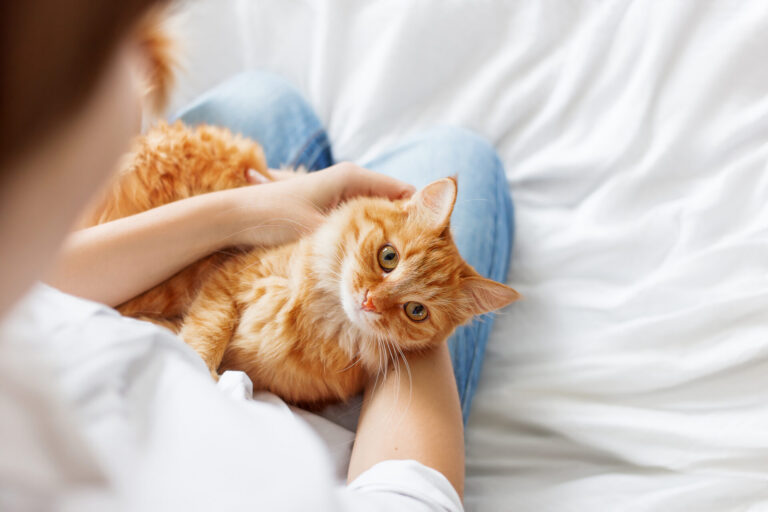
If your pet ever went missing, how would they find their way back to you? June is National Microchipping Month – the perfect reminder to get your pet microchipped or check that your contact details are up to date.
At St Kitts Vets, we believe microchipping is more than just a formality – it’s one of the most important steps in responsible pet ownership.
A microchip is a tiny device, no bigger than a grain of rice, implanted under your pet’s skin. Each chip contains a unique ID number linked to your contact details on a secure national database. Unlike collars and tags, which can be removed or fall off, a microchip stays with your pet for life – giving them the best chance of being reunited with you if they ever get lost.
In England, it’s a legal requirement for all dogs to be microchipped by 8 weeks of age, and for the contact details to be kept up to date.
Since 2024, a similar rule has also applied to cats. Owners need to ensure their feline companions are microchipped by the time they’re 20 weeks old. Failing to comply could lead to a fine of up to £500.
Microchipping is a quick and simple procedure. A vet or trained professional inserts the chip beneath the skin – typically between the shoulder blades – using a sterile needle. It’s no more uncomfortable than a standard vaccination, and there’s no need for anaesthetic.
Once inserted, your pet’s unique ID is recorded on a national database. It’s vital that your contact details are kept current so you can be reached if your pet is found.
If you’re planning a trip abroad with your pet, microchipping is essential – it’s a mandatory requirement for obtaining any travel documents.
And there’s good news for pet owners in Great Britain – from 5th June 2025, you’ll no longer need an Animal Health Certificate (AHC) when travelling to Northern Ireland, as long as your pet is microchipped and you’re not heading into Ireland or the EU.
Instead, you can apply for a free lifelong Northern Ireland Pet Travel Document.
Key points:
You can apply via the GOV website: Travelling to Northern Ireland with your pet.
Some pet owners have received emails from companies calling themselves ‘PETCHIP’ or ‘PETCHIP NETWORK’, claiming their pet’s microchip registration is about to expire. These emails often include a link or ask for payment to “renew” your pet’s details. However, this is not the case.
Once your pet’s microchip is registered, it stays active for life. You only need to update the details if you’re switching to a different database, your contact information changes, or in the unfortunate event your pet passes away.
If you ever receive an email you’re unsure about, avoid clicking any links or entering payment details. A quick and easy way to check your pet’s microchip is to visit check-a-chip.co.uk, where you can confirm that their details are correctly registered with a Defra-approved database.
If you’re still in doubt, it’s always best to get in touch with your microchip database provider directly.
Whether you need to check if your pet is already microchipped, confirm the chip is working, update your contact details, or book a microchipping appointment – we’re here to support you every step of the way.
And if you’re a member of our Pet Healthcare Plan, microchipping is completely FREE.
Our Pet Healthcare Plans are designed to save you money by spreading the cost of routine and preventative treatments with low monthly payments. Alongside a free microchip (if required), members also enjoy a wide range of benefits – from annual vaccinations and bi-annual health checks to nail trims and anti-parasite products delivered straight to your door.
Pop into your local St Kitts practice or give us a call. Let’s keep your pets safe, traceable, and ready for any adventure.
St Kitts Vets Hartley Wintney: 01252 844044
St Kitts Vets Basingstoke: 01256 844944
Crookham Park Veterinary Centre: 01252 913990
Firgrove Veterinary Centre: 01252 877799