

Ensuring your pet stays active and healthy throughout their life is key to their wellbeing. Dogs have different needs at each stage of life, from energetic puppies to senior companions. Understanding these stages and adjusting their care accordingly will help them lead a happy and healthy life.
In this blog, we explore the specific needs of dogs at each life stage and provide practical tips to ensure your furry friend thrives every step of the way.
Dogs go through several life stages, each with unique health and activity requirements:
Regular veterinary check-ups are essential for maintaining your dog’s health. Here’s what to expect:
St Kitts offers a Pet Health Care Plan that helps you spread the cost of essential treatments across the year. The plan includes vaccinations, parasite protection, health checks, and more – tailored to your dog’s age and needs. It’s a great way to stay on top of routine care and catch potential issues early.
Puppy stage
Engage in short play sessions using age-appropriate toys to keep your puppy active and entertained. Start basic training and socialisation early to foster mental stimulation and help them adapt to new experiences. Also, ensure they receive a balanced diet to support their growth and overall development.
Adolescent stage
Gradually increase the duration of exercise, incorporating structured walks and interactive games to keep your dog physically active. Continue with training and introduce new commands to maintain their mental engagement and development. Additionally, monitor their diet and weight closely as their metabolism changes to ensure they remain healthy.
Adult stage
Maintain a consistent daily exercise routine that incorporates walks, playtime, and enrichment activities to keep your dog active and engaged. If necessary, provide joint-supporting nutrition to promote mobility and overall joint health. Also, schedule regular veterinary check-ups to identify and address any potential health concerns early.
Senior stage
Adapt exercise routines to focus on low-impact activities, such as gentle walks and swimming, to accommodate your dog’s aging needs. Ensure they have a comfortable resting space to support their joints and provide relief. Adjust their diet to help maintain a healthy weight and promote optimal organ function.
Additionally, increase the frequency of veterinary visits to keep a close eye on any age-related health conditions.
Every stage of your dog’s life requires a tailored approach to health and activity. By understanding their changing needs and providing the right care, nutrition, and exercise, you can ensure they enjoy a long, fulfilling life. Regular vet visits and an active lifestyle are the foundation of a happy, healthy pet.
For expert veterinary advice and services, contact your nearest St Kitts practice today:
St Kitts Vets Hartley Wintney: 01252 844044
St Kitts Vets Basingstoke: 01256 844944
Crookham Park Veterinary Centre: 01252 913990
Firgrove Veterinary Centre: 01252 877799

March is Parasite Awareness Month, a perfect time to check in on your pet’s parasite protection. Dogs and cats can host a variety of internal and external parasites, some of which may cause serious health issues – while others go unnoticed until they become a bigger problem.
At St Kitts Vets, we’re raising awareness about parasites and offering pet owners the chance to screen their pets for hidden threats at a special discounted rate this March.
Your pet can encounter different types of parasites, which fall into two main categories:
These parasites live on the skin and include:
You may spot fleas and ticks yourself, but mites often require a vet’s diagnosis.
These parasites live inside the body, often in the intestines, and include:
Most internal parasites don’t show obvious symptoms, which is why regular worming treatments and screenings are important.
Even if your pet is on a parasite prevention plan, how do you know it’s truly effective? Some parasites, like fleas and ticks, are easy to spot. But internal parasites often go undetected unless their eggs are found in faecal tests.
That’s why this March, St Kitts Vets Hartley Wintney is offering discounted faecal screening for roundworms. This simple test checks for the presence of worm eggs under a microscope, helping to ensure your pet’s worming treatment is doing its job.
After your pet’s sample has been tested, results will fall into one of two categories:
No parasite eggs were detected at the time of testing. However, this does not always mean your pet is completely parasite-free. Some parasites may be present but too young to shed eggs, or the egg count may be too low to detect. Regular testing and parasite prevention remain essential.
This indicates your pet has a worm burden significant enough to shed detectable eggs. However, if your dog eats faeces (coprophagia), the test may sometimes pick up eggs from another animal rather than your own pet’s infection. If your pet tests positive, we will advise you on the best treatment to clear the infection.
If you’d like peace of mind about your pet’s parasite protection, book a FREE flea & worm check with one of our vets this month. We’ll discuss the best anti-parasite strategy tailored to your pet’s lifestyle and risk factors.
At St Kitts Vets, we know how important it is to keep your pet happy and healthy. Parasites can be a hidden threat, but with the right prevention and regular checks, you can protect your pet from discomfort and disease. Our experienced team is here to provide tailored advice and expert care, whether you need a routine parasite check or a personalised prevention plan.
If you have any concerns about your pet’s parasite protection or would like to book a faecal worm egg screening, contact your nearest St Kitts practice today:
St Kitts Vets Hartley Wintney: 01252 844044
St Kitts Vets Basingstoke: 01256 844944
Crookham Park Veterinary Centre: 01252 913990
Firgrove Veterinary Centre: 01252 877799
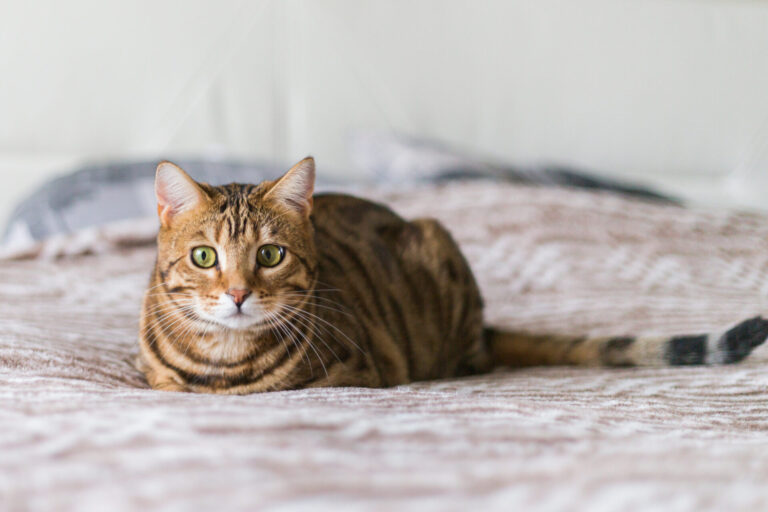
As pet owners, we all want our furry companions to live happy, healthy lives. But unlike humans, pets can’t tell us when they’re feeling unwell, so it’s up to us to recognise the signs that something might be wrong. While some issues may be minor and resolve on their own, others require prompt veterinary attention.
Knowing when to visit the vet can make all the difference to your pet’s health and well-being. In this blog, we’ll break down eight common signs that may indicate your pet is unwell and when you should consider visiting your vet.
A sudden loss of appetite or refusal to eat can be a red flag, especially if your pet is usually keen on their food. Likewise, an increase in thirst may indicate underlying issues such as diabetes, kidney disease, or infections.
If your pet hasn’t eaten for more than 24 hours (12 hours for small animals like rabbits), it’s best to seek veterinary advice.
Occasional vomiting or a mild bout of diarrhoea may not always be a cause for concern, but frequent episodes, blood in the stool or vomit, or signs of dehydration require urgent attention. These symptoms could be linked to infections, poisoning, or underlying digestive conditions.
If your normally playful pet seems sluggish, uninterested in their usual activities, or is hiding away more than usual, it could indicate pain, infection, or an underlying illness. Sudden aggression or restlessness can also be signs that something isn’t right.
Laboured breathing, excessive panting, wheezing, or persistent coughing should never be ignored. Respiratory issues can be linked to infections, heart disease, allergies, or even obstructions in the airway. If your pet is struggling to breathe, seek immediate veterinary help.
Struggling to urinate, blood in the urine, or an increase in accidents around the house can all indicate conditions like urinary tract infections, bladder stones, or kidney disease. Difficulty urinating is particularly serious in male cats and requires emergency treatment.
Itchy skin, bald patches, excessive licking, or redness could signal allergies, infections, or parasites like fleas and mites. Lumps or bumps that suddenly appear or grow in size should also be checked by a vet, as they could indicate anything from benign cysts to more serious conditions.
Red, watery, or swollen eyes, excessive blinking, or discharge may indicate an eye infection or injury. Similarly, head shaking, ear scratching, or a foul smell from the ears could mean an ear infection, which can be painful if left untreated.
If your pet is reluctant to move, limping, or having difficulty jumping or climbing stairs, they may have an injury, arthritis, or joint problems. Early intervention can help manage pain and prevent further complications.
Some symptoms require urgent attention. Contact your vet immediately if your pet experiences:
St Kitts understand how worrying it can be when your pet is unwell. Our experienced team is here to help, whether it’s a routine check-up or an emergency. If you’re ever unsure whether your pet needs to be seen, contact your local St Kitts practice:
St Kitts Vets Hartley Wintney: 01252 844044
St Kitts Vets Basingstoke: 01256 844944
Crookham Park Veterinary Centre: 01252 913990
Firgrove Veterinary Centre: 01252 877799
