
If your pet ever went missing, would they be able to find their way back home?
At St Kitts Vets, we know that pets are family. Whether it’s a curious cat who likes to explore the neighbourhood or an adventurous dog who spots an unexpected opportunity for a sprint, even the most loved and well-cared-for pets can sometimes wander off.
That’s why microchipping remains one of the simplest and most effective ways to protect your pet and give yourself peace of mind.
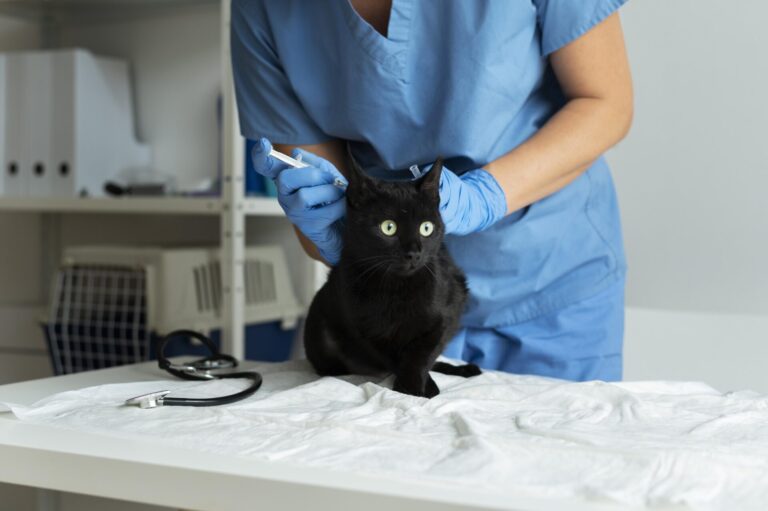
A microchip is a tiny device, roughly the size of a grain of rice, that is placed just under your pet’s skin. Each chip contains a unique identification number that is linked to your contact details on a secure database. If your pet is found and taken to a veterinary practice, rescue centre or local authority, they can scan the chip and quickly access the information needed to contact you.
Unlike collars and ID tags, which can break, fall off or be removed, a microchip provides a permanent form of identification that stays with your pet for life.
1. It helps reunite lost pets with their owners
Every year, thousands of pets go missing across the UK. While we all hope it never happens to our own pets, accidents can occur in a matter of seconds. A gate is left open, a loud noise causes panic or a cat simply wanders further than usual.
A microchip significantly increases the chances of a lost pet being reunited with their family because it provides a reliable way of identifying them. When a pet is scanned, the unique chip number can be matched to the owner’s contact details, helping them get home where they belong.
2. It’s a legal requirement
Many pet owners are surprised to learn that microchipping isn’t just recommended; it’s required by law.
In England, dogs must be microchipped by the age of eight weeks and owners are legally responsible for keeping their contact details up to date. Since 2024, the same requirement applies to cats, which must be microchipped by the time they reach 20 weeks old.
Microchipping your pet helps you stay compliant while ensuring they have the best possible protection should they ever become lost.
3. It’s quick, safe and simple
One of the biggest misconceptions about microchipping is that it is complicated or uncomfortable for pets. In reality, the procedure is quick and straightforward.
The microchip is inserted under the skin using a sterile needle, usually between the shoulder blades. Most pets react no more than they would during a routine vaccination and no anaesthetic is required.
Once fitted, the chip should last for your pet’s lifetime.
Having a microchip is only part of the story. If you’ve moved house, changed your phone number or updated your email address, it’s important to ensure the database information linked to your pet’s microchip is updated too.
An outdated microchip record can make it much harder for someone to contact you if your pet is found. We always recommend checking your details regularly, particularly if you’ve recently moved or changed contact information.
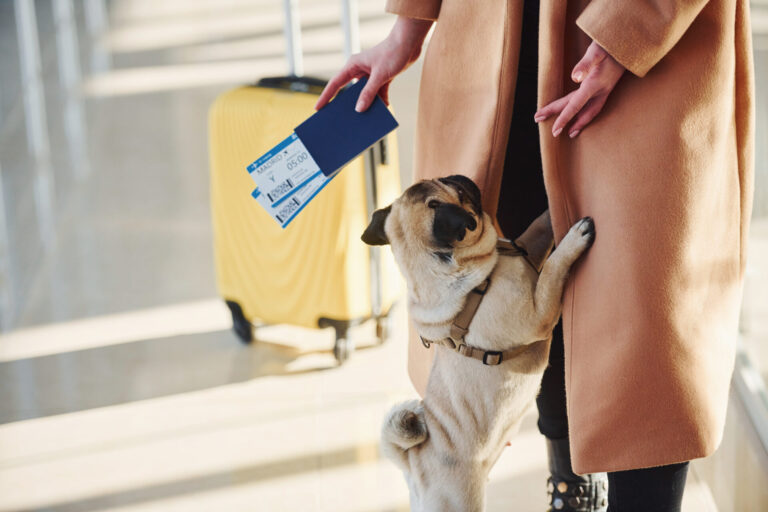
If you’re planning to travel abroad with your pet, microchipping is often an essential requirement for obtaining the relevant travel documentation. It plays a key role in proving your pet’s identity and ensuring travel regulations are met.
Thinking about taking your dog to Europe? We’ve put together a handy guide, ‘How to travel with your dog from the UK to Europe’, covering everything you need to know before you travel, from the required paperwork to preparing your pet for the journey.
At St Kitts, we’re passionate about helping pets stay safe. A lost pet can be incredibly distressing, but microchipping provides a simple, reliable and permanent way of helping them find their way back home.
Our teams can quickly and safely microchip your pet, answer any questions you may have and help ensure your details are correctly registered. The microchip contains a unique identification number linked to your contact details on a secure database, allowing veterinary practices, rescue centres and local authorities to contact you if your pet is found.
To learn more about the procedure and its benefits, visit our microchipping service page.
For members of our Pet Healthcare Plan, the good news is that microchipping is free! Alongside a range of preventative healthcare benefits, our plans help make it easier to keep your pet happy, healthy and protected throughout their life.
Take a moment to check that your pet’s microchip details are up to date. If your pet isn’t microchipped yet, or you’d like advice on keeping their information current, our friendly teams are here to help.
St Kitts Vets Hartley Wintney: 01252 844044
St Kitts Vets Basingstoke: 01256 844944
Crookham Park Veterinary Centre: 01252 913990
Firgrove Veterinary Centre: 01252 877799
As summer approaches, many families are starting to plan holidays, book European getaways and prepare for road trips abroad. For dog owners, one question often comes up early on, can we take the dog with us?
The good news is yes. Whether you’re dreaming of countryside walks in France, coastal breaks in Spain or exploring somewhere completely new together, travelling with your dog from the UK to Europe is still very achievable with the right preparation.
While pet travel rules have changed since Brexit, most of the process is straightforward once you understand what’s needed before you travel. Here is a guide to preparing your dog for travel to Europe, including the vaccinations, paperwork and checks you’ll need before setting off…
Yes, dogs can still travel from the UK to EU countries, but most pets now need an Animal Health Certificate (AHC) instead of an EU pet passport. This applies to dogs, cats and ferrets travelling from England, Scotland and Wales into the EU.
An AHC will allow for 1 entry into the EU and back into England.
If you are travelling with other pets, such as rabbits, birds or reptiles, the requirements can vary depending on the country you’re visiting, so it’s always worth checking in advance.
Before travelling to Europe, there are a few important legal requirements your dog must meet…
Your dog must be microchipped before receiving their rabies vaccination. The microchip links your pet to their travel documents and their rabies and acts as permanent identification throughout the journey.
If your dog was vaccinated against rabies before being microchipped, the vaccine will not be accepted for travel purposes.
Rabies vaccination is required for travel to the EU. If it’s your dog’s first rabies vaccination or the previous vaccination has run out, there is normally a waiting period (currently 3 weeks) before they can travel, so it’s important to plan ahead rather than leave things until the last minute.
Dogs must be over the age of three months to be vaccinated against Rabies.
Booster vaccinations also need to stay up to date throughout your trip.
An Animal Health Certificate is now the main document UK pet owners need for travel to the EU. It must be completed by an Official Veterinarian (OV) shortly before you travel.
The certificate confirms that your pet:
Once issued, the certificate is generally valid for entry into the EU and onward travel within the EU for up to four months, provided your pet’s rabies vaccination remains valid.
Our team at St Kitts can guide you through the process and provide an Animal Health Certificate to help ensure everything is in place before you travel.
Before returning to Great Britain, dogs must normally receive tapeworm treatment from a vet between 24 and 120 hours before arriving back in the UK.
This treatment must be recorded correctly in your paperwork. Missing this step can lead to delays at the border, so it’s a good idea to arrange the appointment before you travel.
Speak to your vet if your trip to the EU is under one day.
The most common issues we see are usually linked to timing. Many travel requirements work within strict deadlines, particularly around rabies vaccinations and issuing the Animal Health Certificate.
Other common mistakes include:
Preparing early helps avoid unnecessary stress closer to departure.
Every dog reacts differently to travelling. Some love the adventure, while others can feel anxious during long journeys.
A few simple steps can make travel easier for your pet:
If your dog is nervous or travelling abroad for the first time, it can also help to book a pre-travel check-up with your vet for advice and reassurance.
Travelling to Europe with your dog doesn’t have to feel complicated. With the right preparation and veterinary support, most pets travel safely and comfortably every day.
At St Kitts, our team can help with microchipping, vaccinations and Animal Health Certificates for EU travel so you can travel with confidence.
If you’re planning a trip to Europe with your dog, we recommend booking your appointment early to allow enough time for vaccinations, paperwork and travel checks before departure. Get in touch with your local practice today:
St Kitts Vets Hartley Wintney: 01252 844044
St Kitts Vets Basingstoke: 01256 844944
Crookham Park Veterinary Centre: 01252 913990
Firgrove Veterinary Centre: 01252 877799
What does my dog need to travel from the UK to Europe?
Most dogs travelling from the UK to Europe will need a microchip, a valid rabies vaccination and an Animal Health Certificate (AHC). We can help with both microchipping appointments and Animal Health Certificates for EU travel before your trip.
How long before travelling should my dog have a rabies vaccination?
If it’s your dog’s first rabies vaccination, they usually need to wait at least 21 days before travelling to Europe. It’s always best to plan ahead so there’s enough time to organise everything before your departure date.
Does my dog need tapeworm treatment before coming back to the UK?
Yes, most dogs returning to Great Britain from Europe need tapeworm treatment from a vet before returning home. This treatment must usually be given between 24 and 120 hours before arriving back in the UK and recorded in your dog’s travel paperwork.
For more information about diseases abroad, please visit the Government website.
