

March is Parasite Awareness Month, a perfect time to check in on your pet’s parasite protection. Dogs and cats can host a variety of internal and external parasites, some of which may cause serious health issues – while others go unnoticed until they become a bigger problem.
At St Kitts Vets, we’re raising awareness about parasites and offering pet owners the chance to screen their pets for hidden threats at a special discounted rate this March.
Your pet can encounter different types of parasites, which fall into two main categories:
These parasites live on the skin and include:
You may spot fleas and ticks yourself, but mites often require a vet’s diagnosis.
These parasites live inside the body, often in the intestines, and include:
Most internal parasites don’t show obvious symptoms, which is why regular worming treatments and screenings are important.
Even if your pet is on a parasite prevention plan, how do you know it’s truly effective? Some parasites, like fleas and ticks, are easy to spot. But internal parasites often go undetected unless their eggs are found in faecal tests.
That’s why this March, St Kitts Vets Hartley Wintney is offering discounted faecal screening for roundworms. This simple test checks for the presence of worm eggs under a microscope, helping to ensure your pet’s worming treatment is doing its job.
After your pet’s sample has been tested, results will fall into one of two categories:
No parasite eggs were detected at the time of testing. However, this does not always mean your pet is completely parasite-free. Some parasites may be present but too young to shed eggs, or the egg count may be too low to detect. Regular testing and parasite prevention remain essential.
This indicates your pet has a worm burden significant enough to shed detectable eggs. However, if your dog eats faeces (coprophagia), the test may sometimes pick up eggs from another animal rather than your own pet’s infection. If your pet tests positive, we will advise you on the best treatment to clear the infection.
If you’d like peace of mind about your pet’s parasite protection, book a FREE flea & worm check with one of our vets this month. We’ll discuss the best anti-parasite strategy tailored to your pet’s lifestyle and risk factors.
At St Kitts Vets, we know how important it is to keep your pet happy and healthy. Parasites can be a hidden threat, but with the right prevention and regular checks, you can protect your pet from discomfort and disease. Our experienced team is here to provide tailored advice and expert care, whether you need a routine parasite check or a personalised prevention plan.
If you have any concerns about your pet’s parasite protection or would like to book a faecal worm egg screening, contact your nearest St Kitts practice today:
St Kitts Vets Hartley Wintney: 01252 844044
St Kitts Vets Basingstoke: 01256 844944
Crookham Park Veterinary Centre: 01252 913990
Firgrove Veterinary Centre: 01252 877799
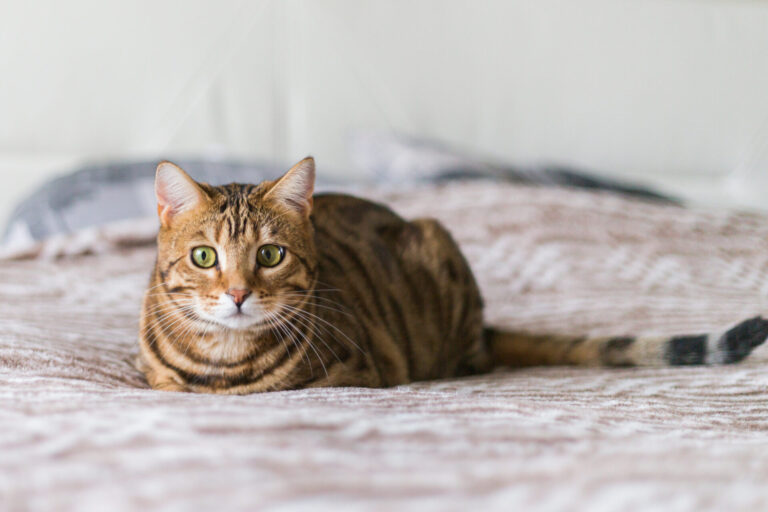
As pet owners, we all want our furry companions to live happy, healthy lives. But unlike humans, pets can’t tell us when they’re feeling unwell, so it’s up to us to recognise the signs that something might be wrong. While some issues may be minor and resolve on their own, others require prompt veterinary attention.
Knowing when to visit the vet can make all the difference to your pet’s health and well-being. In this blog, we’ll break down eight common signs that may indicate your pet is unwell and when you should consider visiting your vet.
A sudden loss of appetite or refusal to eat can be a red flag, especially if your pet is usually keen on their food. Likewise, an increase in thirst may indicate underlying issues such as diabetes, kidney disease, or infections.
If your pet hasn’t eaten for more than 24 hours (12 hours for small animals like rabbits), it’s best to seek veterinary advice.
Occasional vomiting or a mild bout of diarrhoea may not always be a cause for concern, but frequent episodes, blood in the stool or vomit, or signs of dehydration require urgent attention. These symptoms could be linked to infections, poisoning, or underlying digestive conditions.
If your normally playful pet seems sluggish, uninterested in their usual activities, or is hiding away more than usual, it could indicate pain, infection, or an underlying illness. Sudden aggression or restlessness can also be signs that something isn’t right.
Laboured breathing, excessive panting, wheezing, or persistent coughing should never be ignored. Respiratory issues can be linked to infections, heart disease, allergies, or even obstructions in the airway. If your pet is struggling to breathe, seek immediate veterinary help.
Struggling to urinate, blood in the urine, or an increase in accidents around the house can all indicate conditions like urinary tract infections, bladder stones, or kidney disease. Difficulty urinating is particularly serious in male cats and requires emergency treatment.
Itchy skin, bald patches, excessive licking, or redness could signal allergies, infections, or parasites like fleas and mites. Lumps or bumps that suddenly appear or grow in size should also be checked by a vet, as they could indicate anything from benign cysts to more serious conditions.
Red, watery, or swollen eyes, excessive blinking, or discharge may indicate an eye infection or injury. Similarly, head shaking, ear scratching, or a foul smell from the ears could mean an ear infection, which can be painful if left untreated.
If your pet is reluctant to move, limping, or having difficulty jumping or climbing stairs, they may have an injury, arthritis, or joint problems. Early intervention can help manage pain and prevent further complications.
Some symptoms require urgent attention. Contact your vet immediately if your pet experiences:
St Kitts understand how worrying it can be when your pet is unwell. Our experienced team is here to help, whether it’s a routine check-up or an emergency. If you’re ever unsure whether your pet needs to be seen, contact your local St Kitts practice:
St Kitts Vets Hartley Wintney: 01252 844044
St Kitts Vets Basingstoke: 01256 844944
Crookham Park Veterinary Centre: 01252 913990
Firgrove Veterinary Centre: 01252 877799
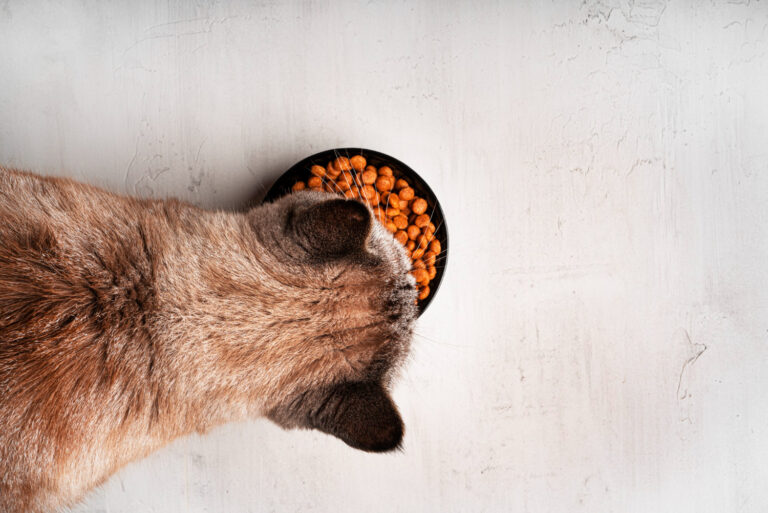
As pet owners, we want the best for our furry companions. A key part of their health and happiness lies in the food they eat. But do you really know what’s in your pet’s food? Let’s explore the ingredients that go into popular pet foods and what they mean for dogs, cats, and rabbits.
Understanding pet food labels can be tricky, but it’s essential to know what you’re feeding your pet. Look for clear descriptions of ingredients. For example:
Dogs are omnivores, meaning they thrive on a mix of proteins, carbohydrates, and fats. High-quality dog foods should list meat as the first ingredient. Key nutrients to look for include:
Excessive fillers such as wheat gluten and artificial preservatives like BHA or BHT should be avoided.
Unlike dogs, cats are obligate carnivores, meaning they require a meat-based diet. Essential nutrients include:
Foods high in carbohydrates and ingredients labelled generically as ‘meat meal’ or ‘meat by-products’ without specifying the source should be avoided.
Rabbits have a unique digestive system that requires a high-fibre diet. Their primary food sources should be:
Foods with added sugars or seeds and low-fibre pellets that lack nutritional value should be avoided.
Whether you have a dog, cat, or rabbit, avoid pet foods that contain:
Your pet’s nutrition is the foundation of their wellbeing. By understanding what’s in your pet’s food and making informed choices, you can ensure they lead a happy and healthy life. Whether it’s a balanced diet for your dog, nutrient-rich food for your cat, or high-fibre options for your rabbit, the key is in the details.
At St Kitts Vets, we’re here to help you make the best decisions for your pet’s health. If you have any concerns or need advice, don’t hesitate to get in touch with our team.
St Kitts Vets Hartley Wintney: 01252 844044
St Kitts Vets Basingstoke: 01256 844944
Crookham Park Veterinary Centre: 01252 913990
Firgrove Veterinary Centre: 01252 877799
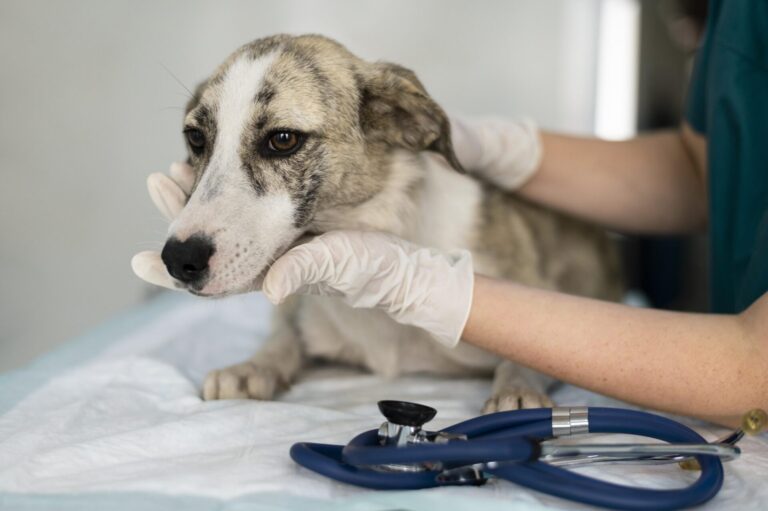
Kennel cough, or canine infectious respiratory disease (CIRD), is a highly contagious respiratory condition in dogs. Despite the name, it’s not just a problem for dogs in kennels – it can affect any dog, anywhere. Here’s what you need to know about kennel cough, from spotting the symptoms to keeping your furry friend safe.
Kennel cough is an umbrella term for various infections caused by viruses and bacteria, with Bordetella bronchiseptica being the most common culprit.
These pathogens inflame the trachea (commonly known as the windpipe) and bronchi (the bronchi are the two main branches that the trachea divides into, each leading to one lung), causing that well-known cough. While it’s rarely life-threatening, kennel cough can make your dog quite uncomfortable and might lead to complications if not treated.
Kennel cough spreads through:
The main indicator of kennel cough is a persistent, hacking cough that may sound like something is stuck in your dog’s throat. Other symptoms can include:
In severe cases, especially in puppies, elderly dogs, or those with compromised immune systems, kennel cough can lead to pneumonia.
Although very mild cases, in fit and otherwise healthy dogs, may resolve on its own within 1-3 weeks, treatment can often help to alleviate symptoms. Treatment should however be considered for young and elderly dogs and those with underlying conditions to prevent complications. Treatment options include:
If your dog’s symptoms worsen or they have trouble breathing, speak with St. Kitts immediately.
Vaccinating your dog is the best way to protect them. The kennel cough vaccine, often bundled with other essential vaccines, comes in three forms: injectable, intranasal, and oral. While it doesn’t guarantee complete immunity, it significantly reduces the severity and likelihood of infection.
At St Kitts, we offer a Pet Healthcare Plan that includes free kennel cough vaccines, among other benefits including parasite protection, nail clips, health checks and more.
Other prevention tips include:
If your dog shows signs of kennel cough or has been exposed to an infected dog, contact your local St Kitts practice:
St Kitts Vets Hartley Wintney: 01252 844044
St Kitts Vets Basingstoke: 01256 844944
Crookham Park Veterinary Centre: 01252 913990
Firgrove Veterinary Centre: 01252 877799

Bringing a pet into your life is one of the most rewarding experiences, but with the joy of pet ownership comes the responsibility of ensuring their health and well-being. One question many pet owners ask themselves is: do I need pet insurance? Let’s explore the benefits of having pet insurance and why it might be a worthwhile investment for you and your furry friend.
Pet insurance is a policy that helps cover the costs of veterinary treatment if your pet becomes ill or injured. Depending on the policy, it can also cover routine care, dental work, and even alternative therapies. With the rising costs of veterinary care, insurance provides a financial safety net, giving you peace of mind in times of need.
There are several types of policies available, so it’s important to choose one that fits your needs:
At St. Kitts Vets, we understand how important it is to make informed decisions about your pet’s health. That’s why we work closely with a variety of pet insurance providers to make the claims process as smooth as possible for our clients. Our team is here to help with:
You can find more information about our pet insurance services here.
When selecting a pet insurance policy, consider the following:
While no one can predict the future, having pet insurance can make a significant difference when the unexpected happens. It ensures you can make decisions based on your pet’s best interests rather than financial constraints. Whether it’s a minor illness or a major surgery, having insurance means you’re prepared for whatever comes your way.
Every pet is unique, and so are their health needs. Pet insurance isn’t a one-size-fits-all solution, but it’s worth exploring to see if it aligns with your circumstances.
At St. Kitts, we’re here to support you in making the best choices for your pet’s health. If you have questions about insurance or need advice, contact your local St Kitts practice:
St Kitts Vets Hartley Wintney: 01252 844044
St Kitts Vets Basingstoke: 01256 844944
Crookham Park Veterinary Centre: 01252 913990
Firgrove Veterinary Centre: 01252 877799
