
For all the latest practice news and health information, check out our newsletter with the link below!
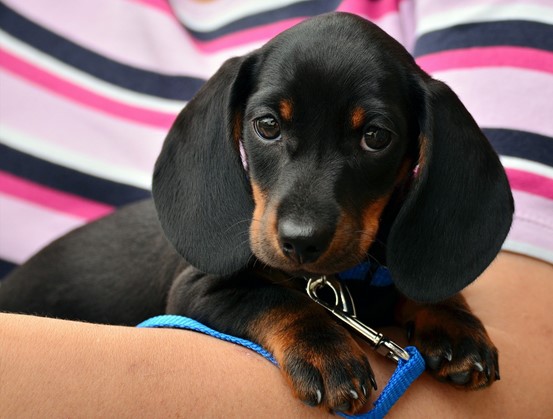
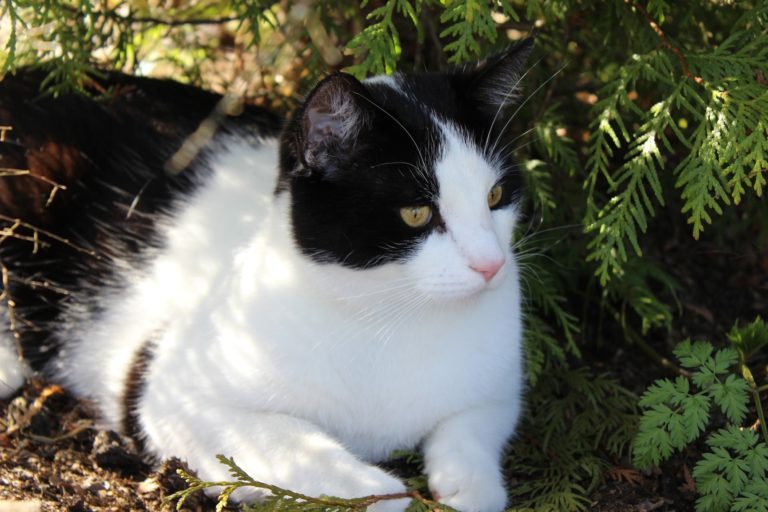
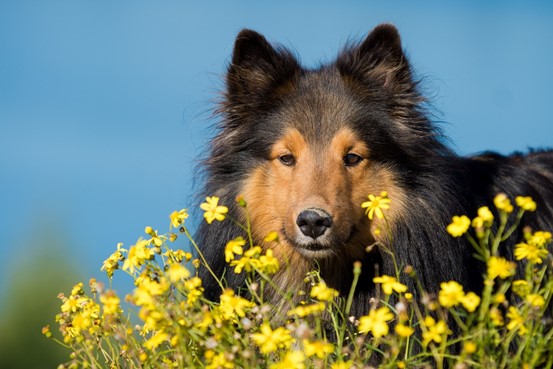
As the weather starts to warm up and we see the colourful spring flowers emerging in our gardens and parks, it is worth reminding ourselves that, what looks like nature at its best, can actually be quite harmful for our beloved furry friends.
Our pets are instinctively curious but not everything they explore is harmless. Some natural hazards are actually some of our everyday plants and flowers. If you have a new pet or one that you know has a tendency to eat things they shouldn’t, it may be worth familiarising yourself with the list of poisonous plants below.
Daffodils
All parts of a daffodil are harmful and are worth watching out for as dogs have been known to eat the bulbs. Sometimes just a small bite of a bulb is enough to kill a small animal. Even drinking the water that cut daffodils have stood in can make an animal really very ill.
Tulips & Snowdrops
The bulbs are the most toxic part of both these plants but in large quantities, any part of the plant can be toxic. They contain allergenic lactones that, if swallowed, can lead to vomiting, diarrhoea and also depression.
Geraniums
All parts of this common garden plant are poisonous to both cats and dogs. Ingestion can cause vomiting, reduced appetite and depression in animals. Skin contact with the leaves or broken stems can sometimes result in redness and irritation.
Azalea & Rhododendron
These shrubs are highly poisonous to cats and dogs, even if just a few leaves are eaten. Ingestion causes nausea, vomiting, depression, difficulty breathing and can even be fatal to dogs if eaten in large enough quantities.
Hyacinth & Amaryllis
The bulbs of these popular flowers are highly toxic to cats and dogs. Eating one can lead to drooling, vomiting and diarrhoea.
Iris and Gladioli
Both of these flowers belong to the Iridaceae family and can cause irritation when eaten. All parts of these are toxic but the bulb is most dangerous as it contains a higher concentration of harmful chemicals.
Rhubarb
Rheum rhabarbarium, known more commonly as rhubarb, contains soluble calcium oxalate crystals which can cause intense pain and irritation in the mouth and, when absorbed, can cause renal failure in animals.
Elder
The ripe black berries themselves are safe, if not advisable, for your dog to eat but the leaves, stems, unripened fruit and the root are all poisonous to dogs (as well as humans) as they contain cyanide, albeit in very small quantities.
Foxglove
Both the leaves and seeds of Foxgloves contain a toxin that can cause vomiting, diarrhoea, heart problems, fits and collapsing.
Hydrangea
Dogs or cats that consume enough hydrangea leaves, flowers or buds can suffer from vomiting and diarrhoea. In severe cases, hydrangea poisoning can cause lethargy, depression and confusion.
Lily Of The Valley
Lily Of The Valley flowers and leaves, often used in bouquets, are very poisonous to dogs and cats. They contain chemicals that can result in vomiting, diarrhoea, heart problems, fits and collapsing.
Nightshade
The nightshade plant is a shrub that produces purple flowers. While this plant is a native plant in many areas, it is extremely toxic to your dog and cat.
Lilies
All lilies are potentially poisonous, especially to cats. Eating or chewing the leaves, stems or flower heads can poison pets. Even the pollen can be harmful – cats may lick this off their fur after brushing against the flower head. Always make sure lilies in the house are kept in a place where your cat cannot access them.
Tomato
Tomatoes are in the nightshade family of vegetables, which means the plants contain a number of components that are harmful to animals. The ripened fruit are considered non-toxic but ingestion of green fruit and other parts of the plant can cause severe gastrointestinal distress, lethargy, weakness and confusion.
Yew
Nearly all parts of the plant are harmful, including dried clippings. Ingesting just a small amount of leaves can kill a dog because it contains taxines, which are highly poisonous to dogs and other small animals.
This is not an exhaustive list of poisonous plants so if you know or suspect that your pet has eaten anything they shouldn’t have and you are at all worried about them, please get in touch with your vet straight away. They will be happy to advise you of the level of risk to your pet and how urgent it is that they are seen.
Please contact us on:
St Kitts Veterinary Centre: 01252 844044
Basingstoke Veterinary Centre: 01256 844944
Crookham Park Veterinary Centre: 01252 913990
Firgrove Veterinary Centre: 01252 877799
For all the latest practice news and health information, check out our newsletter in the link below!

Fireworks are an integral part of many celebrations, including Bonfire Night, Diwali and New Year’s Eve. While they can be fun for us, many pets have a different view. Fireworks often cause stress, anxiety and even aggression in pets. Keep reading for tips on preparing your home and pet for the upcoming fireworks season.
Fear Of Fireworks
A 2018 report by PDSA revealed that around 40% of cat and dog owners reported that their pet is afraid of fireworks. Loud bangs and high pitched sounds can be scary for our furry friends but with the right preparation and care, you can keep your pet calm and help them to cope.
Signs Of Stress In Pets
If you already know your pet becomes stressed, your vet can offer advice and may prescribe calming medication such as Nutricalm. If you aren’t sure, stressed pets can often exhibit the following behaviour:
Dogs:
Cats:
Rabbits:
What Can I Do To Ease My Pets’ Stress?
1. Plug in a pheromone diffuser
Pheromone sprays and diffusers such as Feliway and Adaptil can help ease pet stress and anxiety. Buy these in advance of a firework event, ideally a couple of weeks. Placing one or two around the house.
2. Walk dogs early
Avoid evening or late night walks so your dog isn’t outside when the fireworks start. Even if they don’t normally show fear around fireworks, dogs can be easily startled by loud, unexpected bangs. Gradually alter your normal walking routine about a week before fireworks occasions to get your dog used to the change. Make sure you keep them on a lead.
3. Keep cats inside
If your cat is an outdoor cat, it may be worth trying to keep them in when they come home earlier in the day. Otherwise, there’s a chance they will still be out when the fireworks start and may become scared and anxious.
4. Create a safe space
Creating a safe space in your house gives your pet somewhere calm and familiar to retreat to when they get scared. Fill a room or corner with food and water bowls, their favourite toys and bedding to create a pet-friendly haven.
6. Close windows, curtains, and blinds
Keep your windows shut and close any curtains or blinds to soundproof your home and shut out bright flashes that can scare pets. Don’t forget to lock the cat flap to prevent your cat from going outside.
7. Turn up the radio or TV
Turning on the radio or TV not only helps mask the loud bangs and crackles of fireworks, but also provides a familiar noise to help distract your pet. Play calming music or turn on a programme you watch regularly to help reassure your pet.
8. Consider bringing rabbit hutches indoors
Due to their sensitive nature, outdoor rabbits suffer the most when it comes to fireworks. One option is to bring their hutch inside during fireworks season. This could be in the house, garage, or shed and provides a solid barrier from the noise outside, helping to reduce their stress levels. If you’re unable to move them inside, lay a few thick blankets over their hutch to help muffle the bangs and keep them calm. Don’t forget to leave a suitable gap for ventilation.
9. Give rabbits extra bedding
Rabbits tend to burrow when they get scared, so adding some extra bedding into their hutch gives them plenty to hide in and helps them feel protected against the noise. You may also want to give them some extra hideaways, such as a cardboard box filled with hay, to ensure they have lots of opportunities to take refuge from the noise.
10. Stay at home
If at all possible, try to ensure that somebody is at home. This will help soothe your pet’s fears. Left to their own devices, pets could become very stressed and destructive in your absence. Keep talking to your pet and give them plenty of love and attention during the fireworks. Knowing you’re there to protect them will reassure them and keep them calm.
11. Give them a treat
A tasty treat can make a world of difference to your pet’s stress levels and it’ll also reward their good behaviour and bravery. A stuffed chew toy can keep dogs occupied for hours, while a treat puzzle ball can have the same effect on cats and rabbits. These stimulating toys help take their mind off what’s going on around them and can even help them forget their fears.
12. Make sure they’re microchipped
Spooked pets can run away, especially cats, so make sure they’re microchipped to make them easily identifiable. If your pet is already microchipped, make sure your contact details are up to date so you can be contacted straight away.
The morning after a nearby fireworks display, check your garden for any fallout or shrapnel that may pose a safety risk. Fireworks contain highly toxic ingredients that can be fatal to your pet if eaten, so remember to check your garden for debris and keep an eye out on your dog walks.
If you have any concerns over stress and anxiety in your pet, please contact us.
St Kitts Veterinary Centre: 01252 844044
Basingstoke Veterinary Centre: 01256 844944
Crookham Park Veterinary Centre: 01252 913990
Firgrove Veterinary Centre: 01252 877799

Our Hartley Wintney clinic is open as normal for URGENT AND EMERGENCY CASES ONLY. If your pet is unwell or already booked in for an appointment, then please call the number below where we can advise you on the steps to take.
Opening hours are:
Monday-Friday 8am-7pm
Saturday & Sunday 8.30am-4pm
Telephone number 01252 844044
Our Basingstoke clinic is open as normal for URGENT AND EMERGENCY CASES ONLY. If your pet is unwell or already booked in for an appointment, then please call the number below where we can advise you on the steps to take.
Opening hours are:
Monday-Friday 8am-7pm
Saturday 8.30am-4pm
Telephone number 01256 844944
Our Crookham Park and Firgrove clients – please call Hartley Wintney on 01252 844044 where we can see your pet for urgent and emergency cases. All pet’s records will be available at this clinic
Important additional information:
If you or anyone in your household are suffering from either of the two symptoms associated with Covid-19 (high temperature 37.9 degrees or above and/or a new continuous cough) we ask that you do not visit the clinic. Instead, please call the Basingstoke or St Kitts, Hartley Wintney on the numbers above where a member of staff will be able to help you with any questions/queries if your pet needs medical attention.
If you are classed as high risk by the NHS and are self-isolating, we advise that you have a plan for alternative arrangements such as, arranging a family member or friend to bring your pet into the clinic for appointments. If this is not possible, then please call the clinics to discuss how we can help you make other suitable arrangements.
All clients are to wait in their cars in the car park prior to appointments. Once you have arrived, please call the clinic to tell us you are outside and when your appointment is ready, we will call you and invite you into the clinic.
Clients are to come into the clinic on their own with their pet wherever possible. Only in exceptional circumstances will two people be allowed.
We will ask you to use the hand sanitisers provided on the reception desk upon arrival and departure, and kindly ask that you keep your distance of 2 metres (6 foot) between yourself, other clients and staff. Please avoid leaning over the reception counters.
Our staff are working tirelessly to keep up with hygiene standards at regular intervals.
Here at St Kitts, we pride ourselves on looking after our clients, their pets and our staff members. With the current situation surrounding Covid-19 it is important that we all stay safe and listen to official advice from gov.uk and NHS online.

As concern about Coronavirus or Covid-19 sweeps the globe, there is lots of advice being issued regarding human health but what about our furry friends? Can they catch it? Can they spread it? What should you do if you need to take your pet to the vet? Keep reading for all the answers.
The World Organisation for Animal Health states that ‘the current spread of COVID-19 is a result of human-to-human transmission. To date, there is no evidence that companion animals can spread the disease. Therefore, there is no justification in taking measures against companion animals which may compromise their welfare.’
One dog in Hong Kong has been found to have had the virus in its nasal and oral cavities after living in close contact with a COVID-19 patient. That dog developed no symptoms and is not suspected to play any role in the owner’s (or anyone else’s) illness.
The World Health Organization (WHO) states, “While there has been one instance of a dog being infected in Hong Kong, to date, there is no evidence that a dog, cat or any pet can transmit COVID-19.”
While dogs and cats appear to be unaffected by the latest Covid-19 virus, they do have their own coronaviruses to deal with but neither canine coronavirus nor feline coronavirus can infect people. It’s a very different type of illness.
Dogs love mental stimulation and it’s a great way to keep them entertained if walks are limited. Here are some tips to keep them happy inside.
There is no need for any animal to suffer during this period. If your pet needs vet care, call us for advice. Do not leave the house to go to your vet if you are self-isolating, even if you have no symptoms. We will do our very best to help arrange a way of getting your sick animal into the clinic to be seen by one of our vets.
As always, if you have any concerns about the health or wellbeing of your pet, please get in touch.
St Kitts Veterinary Centre: 01252 844044
Basingstoke Veterinary Centre: 01256 844944
Crookham Park Veterinary Centre: 01252 913990
Firgrove Veterinary Centre: 01252 877799
