
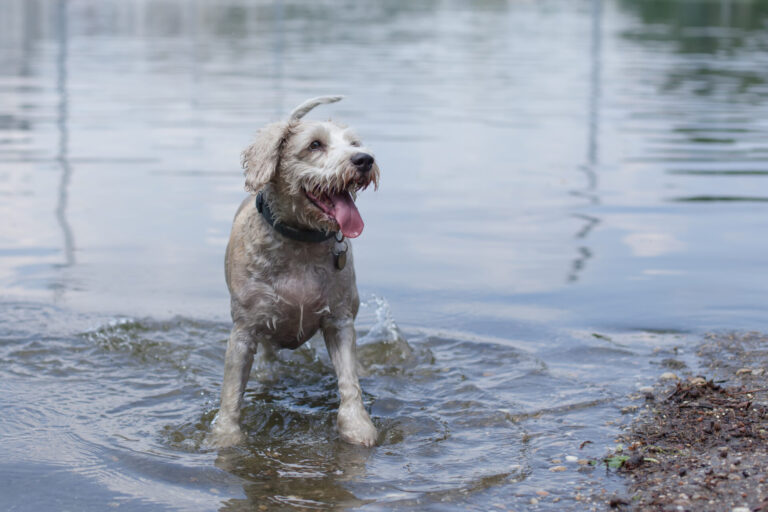
Warm weather often means longer walks, countryside adventures and days by the water with your dog. But from spring through early autumn, blue-green algae becomes a serious hazard that every dog owner should be aware of. Found in ponds, lakes and slow-moving water, it can be extremely toxic, and dogs can become very unwell in a short space of time.
At St Kitts Vets, we believe that prevention starts with awareness. This guide explains what blue-green algae is, why it’s dangerous and what to do if you think your dog has been exposed…
Despite the name, blue‑green algae isn’t actually algae at all, it’s a type of bacteria called cyanobacteria. It thrives in warm weather and is most common in stagnant or slow‑moving water.
You might notice it as a green, blue‑green or brown film on the surface, sometimes looking like paint, foam or thick scum. The water may also appear cloudy or have an unpleasant smell. Even if you can’t see it clearly, harmful toxins may still be present.
Dogs are naturally curious around water. They may swim, paddle, drink from it or lick their fur afterwards, all of which can lead to exposure.
The toxins produced by cyanobacteria can affect the body very quickly, targeting:
In severe cases, poisoning can become life‑threatening within hours.
Signs of poisoning can appear rapidly, sometimes within minutes. Symptoms vary depending on the amount ingested and the type of toxin involved.
Common signs include:
If your dog shows any of these symptoms after being near water, contact a vet immediately.
In the UK, it’s most common from late spring to early autumn. It tends to grow in ponds and lakes, reservoirs, canals, slow‑moving rivers and some garden ponds.
Warning signs are sometimes displayed, but blooms can appear quickly, so always check the water before letting your dog go near it.
The safest option is to avoid any water that looks suspicious. If the surface appears scummy, discoloured or stagnant, keep your dog well away.
A few simple precautions can help:
When in doubt, choose caution and move on.
If you think your dog has come into contact with contaminated water, act quickly. Move them away from the area straight away and try to stop them licking their fur. If you’re able to, rinse their coat with clean water to remove any residue.
Once they’re safe, contact your vet for advice. Don’t wait for symptoms to appear, early treatment gives your dog the best possible chance of recovery.
There is no specific antidote for blue‑green algae toxins. Treatment focuses on supporting your dog and managing symptoms.
Depending on the severity, your vet may provide fluids, medication, oxygen therapy and close monitoring. Some dogs require intensive care, especially if the liver or nervous system is affected.
Blue‑green algae is a seasonal risk that can become serious very quickly, but fast action can save lives. If your dog has been swimming in suspicious water, has drunk from a pond, or seems unwell after a walk, contact us straight away.
Our friendly teams at St Kitts Vets are here with urgent advice, rapid treatment and ongoing support whenever your pet needs us. Contact your nearest practice:
St Kitts Vets Hartley Wintney: 01252 844044
St Kitts Vets Basingstoke: 01256 844944
Crookham Park Veterinary Centre: 01252 913990
Firgrove Veterinary Centre: 01252 877799
Is blue‑green algae always visible?
No. Water can still be unsafe even if you can’t see a bloom.
Can dogs survive blue‑green algae poisoning?
Yes, especially if treatment is started quickly. Sadly, severe cases can be fatal.
Is it harmful to humans?
Yes. It can irritate skin and cause illness if swallowed, so people should also avoid affected water.
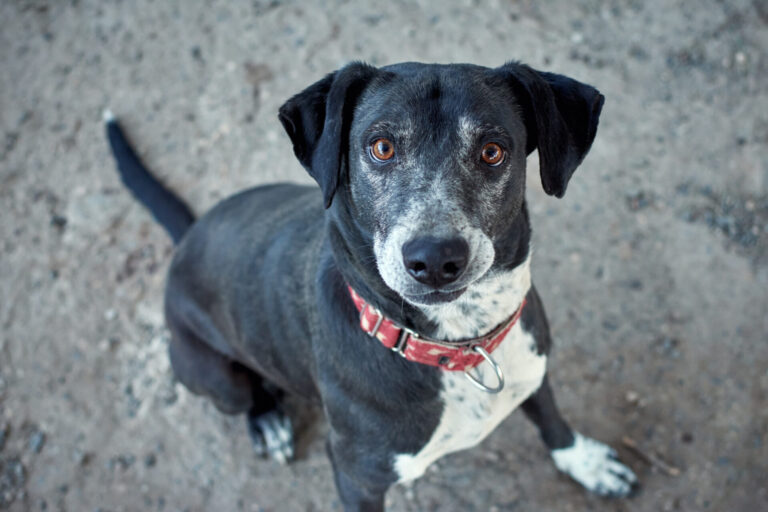
As our pets age, their needs begin to shift, sometimes subtly, sometimes more noticeably. Just like us, they may slow down, sleep more or become prone to health issues that weren’t a concern in their younger years. The good news? Many age-related conditions can be managed effectively when caught early.
In this blog, we highlight some of the most common health issues affecting senior dogs and cats and discuss how our Golden Oldies Clinic, running throughout September, can support you in keeping their health on track.
As pets get older, you might notice them seeming confused or disoriented, forgetting routines or not responding to things as they used to. Dogs may start pacing, staring into space or getting ‘stuck’ in corners, while cats might meow more at night or become more withdrawn. These can be signs of Cognitive Dysfunction Syndrome, a condition similar to dementia in humans, and surprisingly common in older pets.
While there’s no cure, there’s lots you can do to help. Sticking to a consistent routine, using puzzle feeders and keeping changes around the home to a minimum can all make life easier. There are also supplements and medications that can support brain health and help slow things down, which our vets can advise you on.
If your pet is slowing down on walks, reluctant to climb stairs, stiff after resting or struggling to jump up onto the sofa, they could be showing signs of arthritis or joint problems. You might also notice them licking or chewing at sore joints or becoming a bit grumpy when touched.
It’s easy to put these changes down to ‘just getting older’, but they could be in pain, and the good news is, there’s lots we can do to help. From joint supplements and anti-inflammatory medication to weight management and physiotherapy, early treatment can make a real difference to their comfort and quality of life.
Dental disease is very common in pets, affecting up to 80% over the age of three, and it’s even more likely as they get older. Bad breath is often the first sign, but you might also notice your pet struggling to chew, drooling, pawing at their mouth, bleeding gums or loose teeth. Some pets may go off their food or start preferring softer meals.
If left untreated, dental problems can cause ongoing pain and even lead to infections that affect organs like the heart and kidneys. Regular dental check-ups and professional cleaning under anaesthetic can help keep their mouth healthy and avoid more serious issues down the line.
It’s not unusual for older pets to develop lumps and bumps on or under their skin. These can be harmless (like fatty lumps) or something more serious, such as tumours. It’s important to keep an eye out for any new lumps or changes in existing ones, especially if they grow quickly, change shape or colour, become sore or start to bleed.
While many lumps turn out to be nothing to worry about, it’s always best to get them checked by a vet. Sometimes we’ll recommend a simple test, like a fine needle aspirate or biopsy, to find out exactly what the lump is and whether it needs treatment.
Heart disease in pets often develops silently. Signs to watch for include a persistent cough (especially at night), fatigue, difficulty breathing, exercise intolerance or collapse. You may also notice a swollen abdomen due to fluid build-up (ascites), particularly in dogs.
Simple checks like monitoring your pet’s blood pressure and listening to their heart can help spot early signs of heart disease. In some cases, a heart scan may be recommended for a closer look. Catching heart problems early means treatment and lifestyle changes can be put in place to help your pet stay comfortable and enjoy a good quality of life.
Chronic kidney disease (CKD) is especially common in older cats and also affects dogs. Signs can include increased thirst and urination, weight loss, poor appetite, vomiting, bad breath with a chemical smell and a dull, unkempt coat.
Kidneys often lose function gradually, so by the time symptoms appear, significant damage may already be present. Routine urine and blood tests can catch it earlier, allowing for dietary adjustments, medication and supportive care to help slow progression.
Diabetes is a condition we often see in older pets, especially overweight cats and certain dog breeds like Dachshunds, Miniature Schnauzers and Poodles. Common signs include drinking more water than usual, needing to wee more often, sudden weight loss despite a healthy appetite, tiredness and sometimes accidents in the house.
In more advanced cases, you might notice cloudy eyes (in dogs), vomiting or even collapse. The earlier it’s picked up, the better – with the right care, including insulin, a special diet and regular monitoring, most pets with diabetes can live happy, comfortable lives.
Hyperthyroidism is a common condition in older cats, caused by an overactive thyroid gland. You might notice signs like weight loss (despite a big appetite), restlessness, more meowing than usual, vomiting, diarrhoea or a coat that looks a bit scruffy.
The good news is it’s easy to diagnose with a simple blood test – and there are several effective treatment options, including medication, special diets, surgery or even radioactive iodine therapy, depending on what suits your cat best.
Just like us, pets can experience age-related changes to their eyesight. Conditions like cataracts, glaucoma and retinal degeneration become more common as they get older. You might notice their eyes looking cloudy, hesitation to go out in the dark, bumping into furniture or seeming startled when approached.
Some eye issues, like cataracts, can be treated with surgery, while others can be managed with small changes at home, such as keeping furniture in the same place and using scent cues to help your pet feel more confident moving around.
It’s easy to overlook the subtle signs of ageing in our pets, especially when changes happen gradually. That’s why regular senior check-ups are so important.
To help you stay one step ahead, we’re running our Golden Oldies Clinic throughout September: a comprehensive, nurse-led check-up designed for pets aged 7 and over. For just £30 (normally £75), your pet will receive:
It’s also a great opportunity to chat with our experienced veterinary nurses about your pet’s daily routine, habits and diet, where any concerns you may have can be addressed.
Whether your pet is already showing signs of ageing or you’d simply like peace of mind, this is a fantastic opportunity to catch any issues early and keep them feeling their best.
Give your golden oldie the care they deserve, and the best chance of staying happy and healthy for years to come. Book your appointment today at your local St Kitts practice:
St Kitts Vets Hartley Wintney: 01252 844044
St Kitts Vets Basingstoke: 01256 844944
Crookham Park Veterinary Centre: 01252 913990
Firgrove Veterinary Centre: 01252 877799
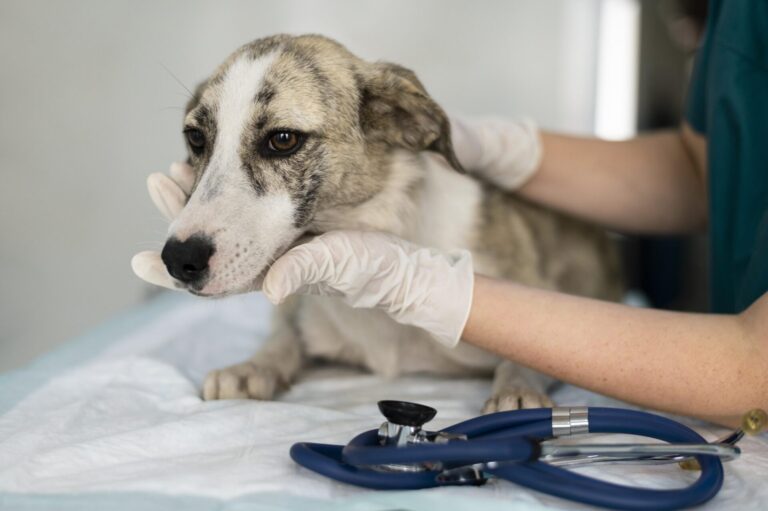
Kennel cough, or canine infectious respiratory disease (CIRD), is a highly contagious respiratory condition in dogs. Despite the name, it’s not just a problem for dogs in kennels – it can affect any dog, anywhere. Here’s what you need to know about kennel cough, from spotting the symptoms to keeping your furry friend safe.
Kennel cough is an umbrella term for various infections caused by viruses and bacteria, with Bordetella bronchiseptica being the most common culprit.
These pathogens inflame the trachea (commonly known as the windpipe) and bronchi (the bronchi are the two main branches that the trachea divides into, each leading to one lung), causing that well-known cough. While it’s rarely life-threatening, kennel cough can make your dog quite uncomfortable and might lead to complications if not treated.
Kennel cough spreads through:
The main indicator of kennel cough is a persistent, hacking cough that may sound like something is stuck in your dog’s throat. Other symptoms can include:
In severe cases, especially in puppies, elderly dogs, or those with compromised immune systems, kennel cough can lead to pneumonia.
Although very mild cases, in fit and otherwise healthy dogs, may resolve on its own within 1-3 weeks, treatment can often help to alleviate symptoms. Treatment should however be considered for young and elderly dogs and those with underlying conditions to prevent complications. Treatment options include:
If your dog’s symptoms worsen or they have trouble breathing, speak with St. Kitts immediately.
Vaccinating your dog is the best way to protect them. The kennel cough vaccine, often bundled with other essential vaccines, comes in three forms: injectable, intranasal, and oral. While it doesn’t guarantee complete immunity, it significantly reduces the severity and likelihood of infection.
At St Kitts, we offer a Pet Healthcare Plan that includes free kennel cough vaccines, among other benefits including parasite protection, nail clips, health checks and more.
Other prevention tips include:
If your dog shows signs of kennel cough or has been exposed to an infected dog, contact your local St Kitts practice:
St Kitts Vets Hartley Wintney: 01252 844044
St Kitts Vets Basingstoke: 01256 844944
Crookham Park Veterinary Centre: 01252 913990
Firgrove Veterinary Centre: 01252 877799
